


- female
- 50 Years
- 31/03/2021
Are tomatoes bad for high blood pressure?

Answered by 1 Apollo Doctors

No,Tomatoes contain lycopene, a nutrient that could be beneficial for lowering your cholesterol, preventing skin damage, and decreasing your blood pressure but canned tomatoes , sauses contains sodium which raises the bloodpressure.
Dr. Anshul Suggests...
Consult a Cardiologist
Answered 04/07/2025
0
0


Ask Apollo
AI powered Health Chatbot
-
Nutritional Benefits:
- Tomatoes are rich in potassium and antioxidants like lycopene, which can support heart health and help lower blood pressure.
-
Watch for Added Salt:
- Be cautious with processed tomato products like sauces or canned tomatoes, as they may contain added salt. Opt for fresh tomatoes or low-sodium options.
-
Individual Tolerance:
- Some individuals may experience digestive discomfort from acidic foods like tomatoes. Monitor your body's response and consult your healthcare provider if needed.
Overall, fresh tomatoes can be a healthy addition to a diet for managing high blood pressure. Always seek personalized advice from your doctor or a dietitian.
Other Related topics like...
 Are canned tomatoes high in salt?
 Answered 20/08/2025
0
0
More Cardiology Health Queries
View allI've been having these sudden heart palpitations and some breathlessness since last week in May, and even when I do activities like slow walking or yoga, my heart rate spikes up to around 150-170. After seeing my cardiologist, I was on Inderal 10 mg for 2 months, but it didn't help much. Now I'm taking Betacap TR 40 and Daxid 25 mg, but sometimes my heart still races even when I'm just resting. My cardiologist mentioned that stress might be causing it. I'm really anxious to know when this might get better. I'm 31, breastfeeding, and all my tests like ECG, echo, thyroid, and sugar levels came back normal. I'm using my iWatch to track my heart ratehow reliable is that, or should I consider a different device?
Based on your symptoms and the medications you have tried, it seems like you are experiencing persistent tachycardia and palpitations despite the treatment. Since your cardiologist mentioned stress as a possible cause, it may take some time to see improvement as managing stress levels can be a gradual process. In addition to the medications you are currently taking (betacap tr 40 and daxid 25mg), your doctor may consider adjusting the dosage or trying other medications to better control your symptoms. It is important to continue following up with your cardiologist for further evaluation and management. Regarding monitoring your heart rate, while devices like the Apple Watch can provide useful information, they may not always be as accurate as medical-grade monitoring devices. If you are experiencing persistent symptoms and want more accurate heart rate monitoring, you may consider investing in a dedicated heart rate monitor recommended by your healthcare provider. It is essential to continue working closely with your cardiologist to address your symptoms effectively and monitor your progress over time.


Answered by 1 Apollo Doctors
What happens right before a heart attack?
Common heart attack signs and symptoms include: Pressure, tightness, pain, or a squeezing or aching sensation in your chest or arms that may spread to your neck, jaw or back. Nausea, indigestion, heartburn or abdominal pain. Shortness of breath.
Answered by 1 Apollo Doctors
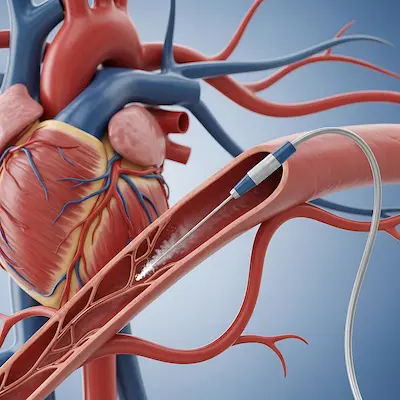
I'm worried about my father. He had angioplasty just yesterday, and now he's got this pain running from the middle of his leg down to his ankle. Is that something to be concerned about, or is it normal after angioplasty?
Pain from the mid-leg to the ankle after an angioplasty could be due to several factors, such as the site of catheter insertion (usually the femoral artery in the groin) or the use of a vascular closure device. While mild discomfort and bruising can be normal, significant pain should be evaluated to rule out complications like hematoma, arterial injury, or deep vein thrombosis (DVT). Please consult your father's healthcare provider promptly to assess the cause of the pain and ensure appropriate management.
Answered by 1 Apollo Doctors
Health Articles for you
View all_0.webp)

Disclaimer: Answers on Apollo 247 are not intended to replace your doctor advice. Always seek help of a professional doctor in case of an medical emergency or ailment.