


- male
- 60 Years
- 31/03/2021
Is atherosclerosis reversible?

Answered by 1 Apollo Doctors

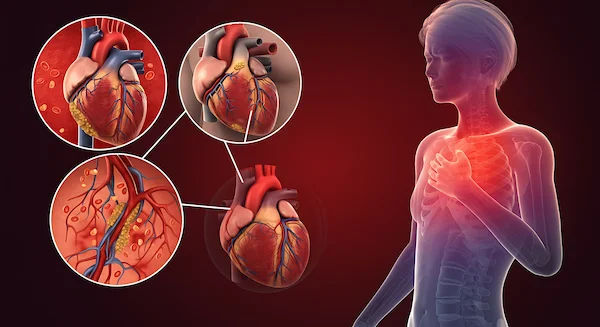
Various drugs, low fat diet and exercise can slow the effect of atherosclerosis but once a plaque is formed it is mostly not reversible. A person ahs to undergo procedures for removal of atherosclerotic plaque.
Dr. Dhankecha Suggests...
Consult a Cardiologist
Answered 04/07/2025
0
0


Ask Apollo
AI powered Health Chatbot
-
Atherosclerosis Overview:
- Atherosclerosis involves artery narrowing due to plaque buildup.
- It is typically progressive but can be managed effectively.
-
Lifestyle Modifications:
- Adopt a heart-healthy diet and engage in regular exercise.
- Quit smoking and manage stress to reduce plaque buildup.
-
Medications:
- Medications may be prescribed to control cholesterol and blood pressure.
- These can stabilize plaques and reduce complications.
-
Reversibility:
- Complete reversal is challenging, but improvement in artery function is possible.
- Consistent management is key to achieving better outcomes.
-
Regular Monitoring:
- Ongoing medical follow-up is crucial for assessing heart health.
- Adjust treatments as needed to maintain artery health.
While full reversal is difficult, proactive care can significantly enhance quality of life.
Other Related topics like...
 How can I improve artery health?
 Answered 20/08/2025
0
0
More Cardiology Health Queries
View allI'm really concerned about this pain I've been having in the center of my chest since last night. It gets worse when I'm climbing stairs and now I even feel it while walking. I did an ECG this morning. What could be causing this, and should I be worried?
if no pathological changes observed in the ecg cardiac markers and ecg is advised...


Answered by 1 Apollo Doctors
I'm often finding my pulse rate hitting around 110 per minute even when I'm just resting. My doctor prescribed Betacap TR 40 and mentioned it might just be anxiety. Do you have any advice on whether there are other medications I should consider or any specific tests I should look into to better understand what's going on?
Your doctor has prescribed you Betacap TR 40 for your high pulse rate, which is likely due to anxiety. This medication contains Propranolol and helps in reducing heart rate and controlling symptoms of anxiety. You can take it as prescribed by your doctor. In addition to medication, you may also consider some lifestyle modifications to help manage anxiety and lower your pulse rate. This can include regular exercise, stress-reducing activities like yoga or meditation, and ensuring you get an adequate amount of sleep. As for tests, your doctor may recommend some blood tests to rule out any underlying medical conditions that could be contributing to your high pulse rate. These tests may include thyroid function tests, electrolyte levels, and cardiac enzymes. It's important to follow up with your doctor regularly to monitor your progress and make any necessary adjustments to your treatment plan.
Answered by 1 Apollo Doctors
Lately, I've been noticing something a bit strange. Whenever I lie down or sit back, I feel my pulse throughout my whole body. It's not constant, just every now and then, and I especially feel it around my hips and the back of my head. The pulse isn't racing or anything out of the ordinary, but it's definitely noticeable. Should I be worried about this or is it just a normal thing?
That could be Gastritis usually,no need to worry its alswys better to get it clear,visit Cardiologist for evaluation and appropriate management
Answered by 1 Apollo Doctors
Health Articles for you
View all


Disclaimer: Answers on Apollo 247 are not intended to replace your doctor advice. Always seek help of a professional doctor in case of an medical emergency or ailment.