



- female
- 30 Years
- 01/04/2021
Can hirsutism be cured?

Answered by 1 Apollo Doctors

Not all causes of hirsutism are reversible, but the symptoms usually are manageable with medical and cosmetic treatments
Dr. Mubarak Suggests...
Consult a Endocrinologist
Answered 04/07/2025
0
0


Ask Apollo
AI powered Health Chatbot
-
Understanding Hirsutism
- Hirsutism is excessive hair growth in women, often due to hormonal imbalances or conditions like PCOS.
-
Diagnosis and Evaluation
- Medical evaluation is crucial to identify underlying causes, such as hormonal issues.
-
Treatment Options
- Medical Treatments: Hormonal therapies like oral contraceptives and anti-androgens (e.g., spironolactone).
- Cosmetic Treatments: Hair removal methods such as laser therapy, electrolysis, and topical creams.
-
Managing Expectations
- While hirsutism can be managed, a complete cure depends on the cause. Ongoing management is essential.
-
When to Consult Specialists
- Endocrinologists and dermatologists play key roles in managing hirsutism.
-
Lifestyle and Support
- A healthy lifestyle, weight management, and emotional support are important.
Recommended next steps
Consult a Endocrinologist or Consult a Dermatologist
Answered 20/08/2025
0
0
More Endocrinology Health Queries
View allWhat should be done to cure diabetes in the beginning?
A healthful diet and regular exercise are the first steps to managing type 2 diabetes.


Answered by 1 Apollo Doctors
What food can diabetics eat?
Regular and consistent diet is most important, with no feasts and fasts. Split your diet into 3-4 meals. Avoid sugar and sugar containing foods, and fried foods. Avoid fats (butter, oil, malai) and fat rich foods (puri, paratha, chat, namkeen etc.) Choose healthy carbohydrates, such as fruit, vegetables, whole grains, beans, and low-fat milk, as part of your diabetes meal plan.
Answered by 1 Apollo Doctors
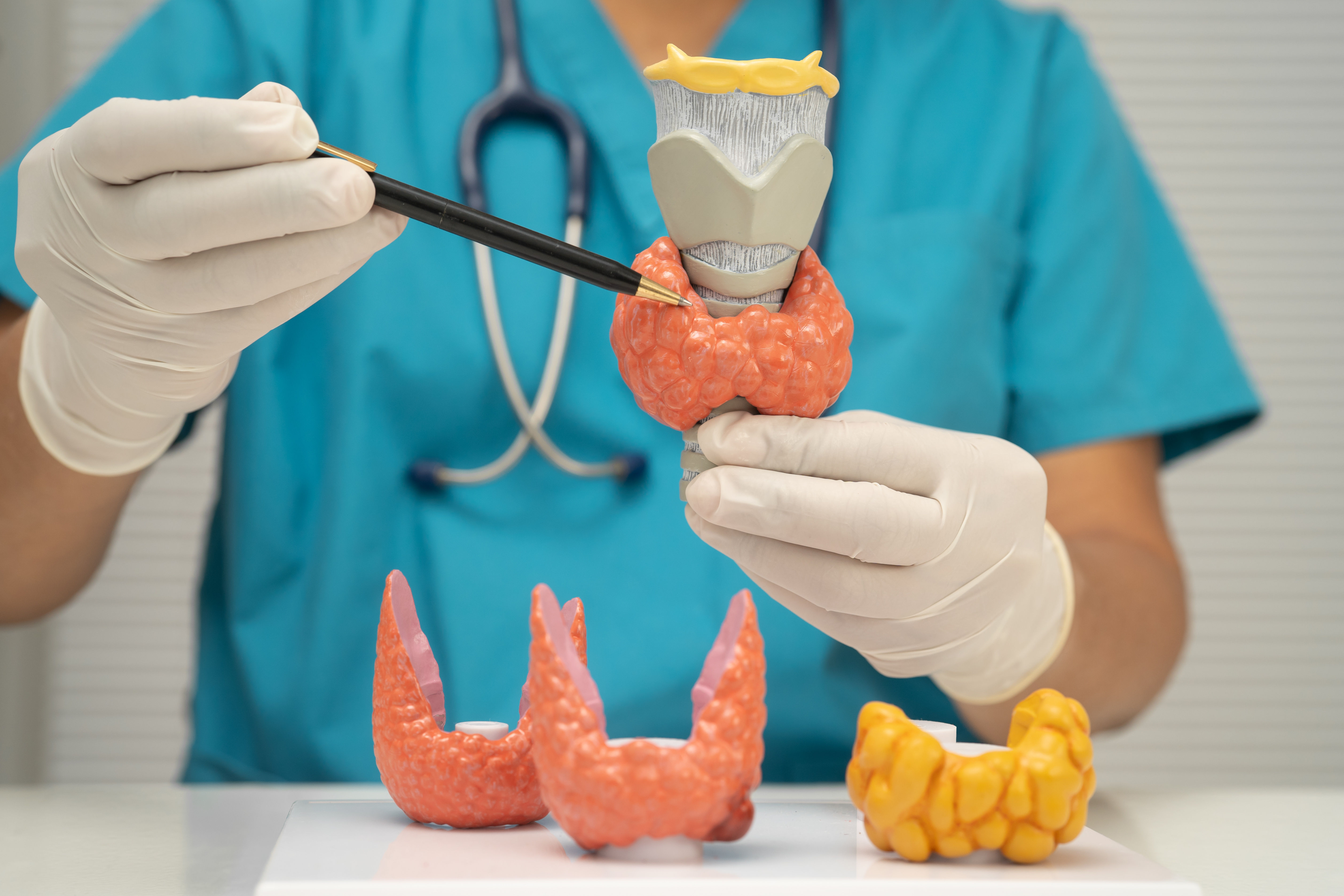
I'm trying to figure out which kind of doctor I should see for my thyroid issues. Should I book an appointment with an ENT specialist, or is there another type of doctor I should be consulting for this? I'm a bit unsure about the best approach.
consult to endocrinologist.
Answered by 1 Apollo Doctors
Health Articles for you
View all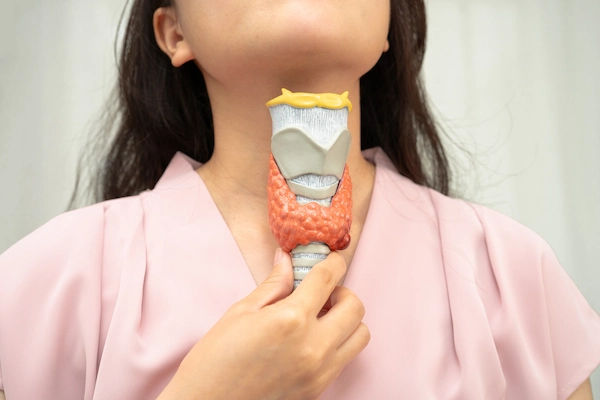


Disclaimer: Answers on Apollo 247 are not intended to replace your doctor advice. Always seek help of a professional doctor in case of an medical emergency or ailment.