

- Male
- 23 Years
- 29/01/2025
Can someone explain what it means if my chest X-ray shows prominent bronchovascular markings? I'm not sure which type of doctor I should consult for this.
Answered by 1 Apollo Doctors
A 3.7mm gallbladder polyp is relatively small.
Doctor's Recommendation
- Monitoring: Your doctor's approach to monitor the polyp's size every 6 months is a reasonable strategy.
- No immediate concern: The small size of the polyp (less than 10mm) suggests a low risk of malignancy.
Possible Reasons for Polyp Presence
- Cholesterol polyp: Most gallbladder polyps are benign and composed of cholesterol.
- Inflammatory polyp: Inflammation in the gallbladder can cause polyp formation.
- Other factors: Genetics, obesity, and high cholesterol levels might contribute to polyp development.
Further Investigation
- Not necessary for now: Given the small size of the polyp, further investigation might not be warranted at this time.
- Consider additional tests if: You experience symptoms like abdominal pain, jaundice, or fever, or if the polyp grows significantly during follow-up.
Consider a Second Opinion or Further Discussion
- Ask about polyp characteristics: Discuss the polyp's characteristics, such as its shape, size, and location, with your doctor.
- Understand the follow-up plan: Clarify the follow-up schedule and criteria for re-evaluation.
- Seek a second opinion if unsure: If you're concerned or unsure about your doctor's approach, consider consulting a gastroenterologist or a general surgeon for a second opinion.
Dr. Anshul Suggests...
Consult a Pulmonology Respiratory Medicine Specialist
Answered 04/07/2025
0
0

Ask Apollo
AI powered Health Chatbot
-
Understanding Prominent Bronchovascular Markings
- These are patterns seen on a chest X-ray indicating blood vessels and airways. Prominence can suggest conditions like infections or inflammation.
-
Possible Implications
- They might indicate mild to significant lung changes. Clinical correlation with symptoms and history is crucial.
-
Recommended Specialist Consultation
- Consult a pulmonologist for further evaluation. A general physician or internal medicine doctor can also be a starting point.
-
Next Steps in Evaluation
- Additional tests like a CT scan or pulmonary function tests may be needed. Follow-up and symptom monitoring are important.
-
Reassurance and Advice
- Prominent markings are often manageable. Timely consultation is advised for proper diagnosis and peace of mind.
Recommended next steps
Consult a Pulmonology Respiratory Medicine Specialist or Consult a General Physician/ Internal Medicine Specialist
Answered 20/08/2025
0
0
More Pulmonology/ Respiratory Medicine Health Queries
View allI've been feeling short of breath for quite a while now, and honestly, it's starting to worry me. I had a chest X-ray and a CT scan, and both came back normal, but I'm still having trouble catching my breath. And now there's this chest pain whenever I try to move around. I'm just not sure what's going on. Any ideas?
Patient is advised pulmonary function test (PFT)and a chest x-ray .
Answered by 1 Apollo Doctors
I'm currently taking Seroflo 250 and I'm considering switching to Foracort. I'm a bit unsure thoughshould I be looking at Foracort 200 or 400 to match the dosage I'm getting from Seroflo 250? Could you help me figure out the equivalent dose?
seroflo 250& foracort 200
Answered by 1 Apollo Doctors
My brother was dealing with tuberculosis, and he finished his medication a few months back. But now, he's having this pain in his lungs, especially when he yawns, takes deep breaths, or sneezes. This started after he completed the medication course, and it's got me a bit concerned. It's been three months since he stopped the treatment. Any idea what could be causing this?
Continue ATT as advised by the pulmonologist.
Answered by 1 Apollo Doctors
Health Articles for you
View all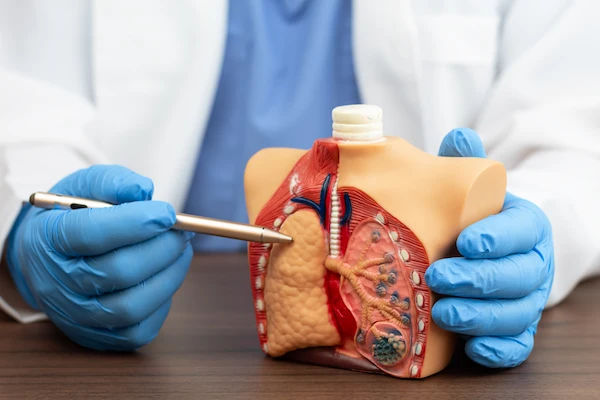




Disclaimer: Answers on Apollo 247 are not intended to replace your doctor advice. Always seek help of a professional doctor in case of an medical emergency or ailment.