


- female
- 30 Years
- 31/03/2021
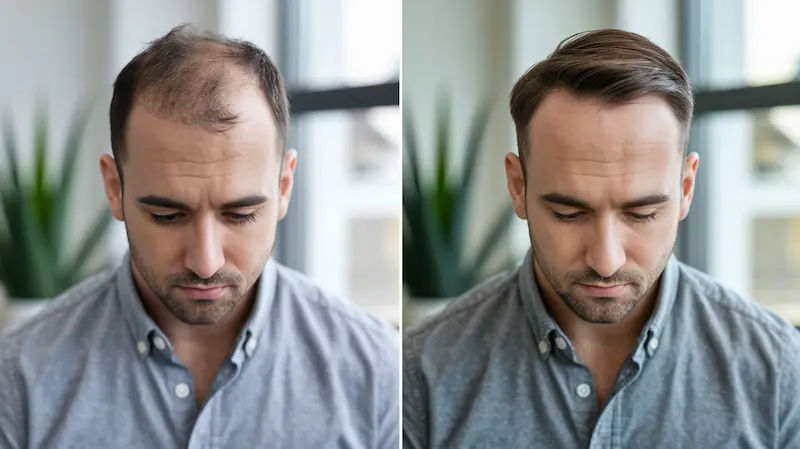
Does burnt hair grow back?

Answered by 1 Apollo Doctors

It entirely depends on level the burn took place. For mild burns hair regrowth usually takes places once the scalp gets healed.
Dr. Ibrahim Suggests...
Consult a Dermatologist
Answered 04/07/2025
0
0


Ask Apollo
AI powered Health Chatbot
-
Hair Regrowth Potential
- Burnt hair shafts do not regrow.
- New hair can grow if hair follicles are intact.
-
Factors Affecting Regrowth
- Healthy scalp and follicles allow regrowth over months.
- Severe burns damaging follicles may limit regrowth.
-
Recommendations
- Keep the scalp clean and avoid further trauma.
- Consult a dermatologist if no regrowth occurs after a few months.
Summary: New hair can grow if follicles are unharmed. Proper scalp care is essential.
Recommended next steps
Consult a Dermatologist
Answered 20/08/2025
0
0
More Dermatology Health Queries
View allI've been dealing with some really frustrating skin issues. There are these rashes and stretch marks around my groin area, and the itching is just unbearable at times. I tried using Cosvate GM for a bit, but after I read some stuff about it, I stopped. Now I'm using an antifungal powder, but it doesn't seem to work for long, and it feels like its not a permanent fix. What do you suggest I do about this?
Visit your Physician for evaluation and appropriate management


Answered by 1 Apollo Doctors
I'm a bit worried about some skin tags I've had on my neck, underarms, and legs for the past five years. Could you suggest a good way to remove these tags?
Laser therapy is advised ,pls consult a dermatologist.
Answered by 1 Apollo Doctors
I have a chicken pox scar on my nose that looks like a pit is there any surgery to fix it? How much would it cost and how long does the procedure take? Also, how many follow-up visits would I need?
Yes, depressed chickenpox scars can be treated surgically—cost and sessions vary; consult a dermatologist.
Answered by 1 Apollo Doctors
Health Articles for you
View all


Disclaimer: Answers on Apollo 247 are not intended to replace your doctor advice. Always seek help of a professional doctor in case of an medical emergency or ailment.