


- Male
- 43 Years
- 22/01/2025
Hey, I'm 43 and generally healthy, but I recently had an ECG done. It says my heart rate is 66 beats per minute with a sinus rhythm, but there are nonspecific ST-T changes in III and aVF. I'm not sure what that means. Should I be concerned? Can you help explain this to me?

Answered by 1 Apollo Doctors

The ECG report showing a heart rate of 66 beatsminute with sinus rhythm and nonspecific ST-T changes in III and aVF may indicate possible heart conditions such as myocardial ischemia or electrolyte imbalances. To address this, you can take Aspirin 75mg once daily to prevent blood clot formation and improve blood flow to the heart. Additionally, you can take Atorvastatin 20mg once daily to lower cholesterol levels and reduce the risk of heart disease. It is important to follow up with your healthcare provider for further evaluation and management.
Dr. Dr Khaleel Suggests...
Consult a Cardiologist
Answered 04/07/2025
0
0


Ask Apollo
AI powered Health Chatbot
-
Interpretation:
- A heart rate of 66 bpm with sinus rhythm is generally normal.
- Nonspecific ST-T changes can be benign but may also indicate underlying issues.
-
Action Steps:
a. Discuss the ECG findings with your healthcare provider for personalized advice.
b. Consider further evaluation if you have symptoms like chest pain or shortness of breath. -
Recommendation:
- Regular follow-up and possibly additional tests (e.g., stress test) may be advised based on clinical assessment.
Other Related topics like...
 What do nonspecific ST-T changes mean?
 Answered 20/08/2025
0
0
More Cardiology Health Queries
View allI'm really worried about my brother. He had a heart attack in March 2017, and it turned out he had a 100% blockage in a left artery. He's been taking meds like planep 25mg, sexeloxon, and roustor gold10 to help with this. I'm just wondering, can medication actually remove the blockage, or is that not possible? And how do we even check if the blockage has improved or if it's still completely blocked?
To check if the blockage has been reduced or is still at 100%, he can undergo a diagnostic test called a coronary angiography. This procedure will provide detailed images of the arteries and can show if there has been any improvement in the blockage. It is important to follow up with his cardiologist for further evaluation and management."


Answered by 1 Apollo Doctors
I'm looking at my 2D echo report and trying to understand a couple of things. It mentions there's no regional wall motion abnormality and that my LV systolic function is good with a normal filling pattern. I'm relieved that there's no MR, AR, or precardial effusion, and no clots were found, but it says there's trivial TR and mild PAH. Could you help me understand what mild PAH means? From what you see in my report, how should I feel about these results overall?
That not a matter of concern just consume healthy diet and maintain regular physical activity follow your doctors advice
Answered by 1 Apollo Doctors
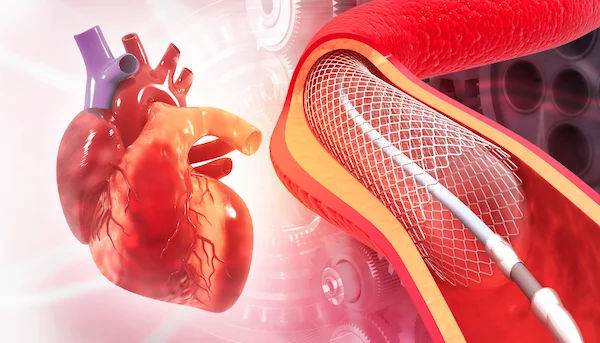
So, my mom was diagnosed with 80% stenosis in the mid RCA and there's also a 50% instent restenosis in the distal RCA, where she had a stent put in back in 2010. We're a bit confused because one doctor is suggesting she should go through angioplasty again for both areas, while another doctor thinks it's not necessary. This is pretty stressful, and I really want to make the right decision. Could you explain what the typical approach is for handling instent restenosis and how serious this situation looks?
RCA STENOSIS 80% IN MID SEGMENT WILL INFLUENCE EFFECT OF DISTAL STENOSIS. ONCE U OPEN MID RCA LESION WITH BALOON AND DO ANGIOPLASTY THEN CHECK THE INSTENT RESTENOSIS LESION WITH FFR. IF FFR IS MORE THAN O.8 THEN NOTHING FOR DISTAL AND IF FFR IS LESS THAN 0.8 ANGIOPLASTY TO INSTENT RESTENOSIS.
Answered by 1 Apollo Doctors
Health Articles for you
View all



Disclaimer: Answers on Apollo 247 are not intended to replace your doctor advice. Always seek help of a professional doctor in case of an medical emergency or ailment.