


- male
- 50 Years
- 10/05/2022
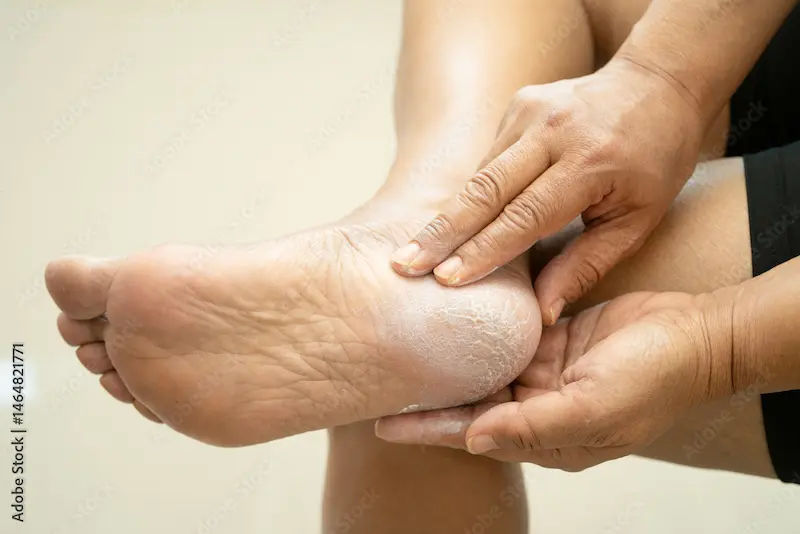
How does diabetes affect the feet specifically?

Answered by 1 Apollo Doctors

Diabetes affects nerves which reduce one's sensitivity to pain from wound leading to repetitive traumas, wounds can get infected which may not heal fastly due to reduced blood supply. Sometimes, a bad infection never heals. The infection might lead to gangrene and amputation.
Dr. Ranjith Suggests...
Consult a Podiatrist
Answered 04/07/2025
0
0


Ask Apollo
AI powered Health Chatbot
-
Nerve Damage (Peripheral Neuropathy) a. High blood sugar can damage nerves, causing numbness, tingling, or pain in the feet. b. Loss of sensation increases the risk of unnoticed injuries.
-
Poor Blood Circulation (Peripheral Artery Disease) a. Diabetes can narrow blood vessels, reducing blood flow to the feet. b. This impairs healing and raises infection risk.
-
Foot Ulcers and Infections a. Minor cuts can develop into ulcers due to poor healing. b. Increased risk of infections and complications.
-
Structural Changes and Deformities a. Nerve and muscle damage may alter foot shape. b. Conditions like Charcot foot can occur.
-
Preventive Care and Monitoring a. Regular foot inspections, proper hygiene, and suitable footwear are crucial. b. Seek advice from specialists like podiatrists or endocrinologists.
-
Treatment Options a. Manage blood sugar, provide wound care, and address circulation issues. b. Use medications and therapies common in diabetic foot care.
Recommended next steps
Consult a Podiatrist or Consult a Endocrinologist
Answered 20/08/2025
0
0
More Podiatry Health Queries
View allI've had surgery for a foot corn before, but it seems like it's coming back. I'm really hoping to find a permanent solution for this. Is it possible to get rid of it for good with Homeopathy?
It is possible to treat foot corns with homeopathy, but it may require a personalized treatment plan from a skilled homeopath. Addressing the underlying cause, such as pressure or friction, along with constitutional remedies, can help in providing a more lasting solution. However, it's important to consult a professional for accurate diagnosis and treatment.


Answered by 1 Apollo Doctors
I had surgery for a corn on my leg but the pain keeps coming back. What should I do now and which specialist should I see for this recurring issue?
please upload the reports
Answered by 1 Apollo Doctors
Looking for recommendations on a skilled surgeon in Faridabad who can handle partial toenail removal for an ingrown toenail. Any suggestions on where to find a good specialist for this?
consuly yr family dr.
Answered by 1 Apollo Doctors
Health Articles for you
View all



Disclaimer: Answers on Apollo 247 are not intended to replace your doctor advice. Always seek help of a professional doctor in case of an medical emergency or ailment.