


- female
- 50 Years
- 31/03/2021
How long can you go without thyroid medication?

Answered by 1 Apollo Doctors

The half-life (time taken for amount of drug in your body to be reduced by half) of levothyroxine is 6 - 7 days in euthyroid, 9 - 10 days in hypothyroid and 3 - 4 days in hyperthyroid. So, it would take few weeks for your body to get rid of the thyroid medication. But you may start to experience symptoms within first week of not taking medication. Moreover, once you restart the medication it will take 3 - 5 days for it to start the action and almost few weeks to reach maximum effect. In all this time, you need to suffer from the symptoms. Hence, it's safer to take medications regularly and monitor thyroid levels.
Dr. Ranjith Suggests...
Consult a Endocrinologist
Answered 04/07/2025
1
1

More Endocrinology Health Queries
View allI'm 26 years old and have been dealing with gynaecomastia since 2012. I tried some homeopathic remedies like Reckweg R19, R41, and Testis Siccati on the advice of a homeopath, but they didnt help. I also have a sparse beard, although all my other male features seem normal. Can you offer any advice or treatment options?
Go consult endocrinologist


Answered by 1 Apollo Doctors
What are some uncommon symptoms of diabetes?
In most patients Diabetes does not show any symptoms or signs. Few symptoms are increased thirst, extreme hunger, unexplained weight loss, frequent urination, fatigue, irritability, blurred vision, slow healing wounds and frequent infections.
Answered by 1 Apollo Doctors
I always thought stress could make us lose weight, but is it possible for stress or anything else to actually make us shorter?
Stress doesn't directly affect height reduction. However, chronic stress can impact growth and development, particularly during childhood and adolescence. Here's why: Why Stress Doesn't Directly Affect Height 1. Adult height is largely determined by genetics (80-90%). 2. Growth plates close naturally around age 18-25, marking the end of vertical growth. Indirect Effects of Stress on Height 1. Hormonal imbalance: Chronic stress can disrupt hormone regulation, potentially affecting growth hormones (GH) and insulin-like growth factor-1 (IGF-1). 2. Malnutrition: Stress can lead to poor eating habits, nutrient deficiencies, and inadequate caloric intake, potentially impacting growth. 3. Sleep disturbances: Stress can disrupt sleep patterns, essential for growth hormone release and bone development.
Answered by 1 Apollo Doctors
Health Articles for you
View all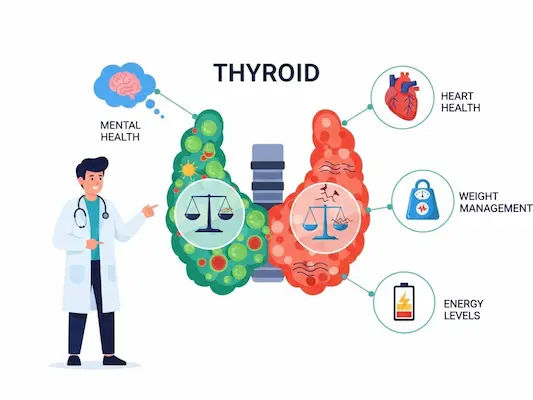




Disclaimer: Answers on Apollo 247 are not intended to replace your doctor advice. Always seek help of a professional doctor in case of an medical emergency or ailment.