



- Female
- 27 Years
- 22/01/2025
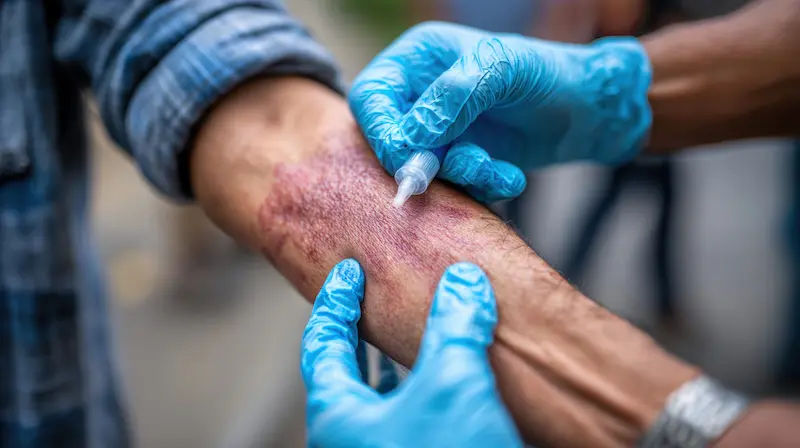
How long does it usually take for vitiligo to spread? I've had these spots on my neck, leg, and hand for about four years now, and they haven't really changed in size. Should I be worried about them getting bigger or appearing in new places?

Answered by 1 Apollo Doctors

The spread of vitiligo varies from person to person. In some cases, the patches may remain stable in size and number for years, while in other cases, they may spread rapidly. Since you have had the spots for 4 years with the same size, it is possible that the condition may remain stable for you. To help prevent further spread of vitiligo, you can consider using topical corticosteroids like Clobetasol propionate cream on the affected areas. Apply a thin layer of the cream twice daily for a few months to see improvement. Additionally, phototherapy with narrowband UVB light can also be beneficial in managing vitiligo. Remember to protect your skin from sun exposure as it can worsen the condition. Use a broad-spectrum sunscreen with SPF 30 or higher on the affected areas when going outside.
Dr. Ibrahim Suggests...
Consult a Dermatologist
Answered 04/07/2025
1
0

More Dermatology Health Queries
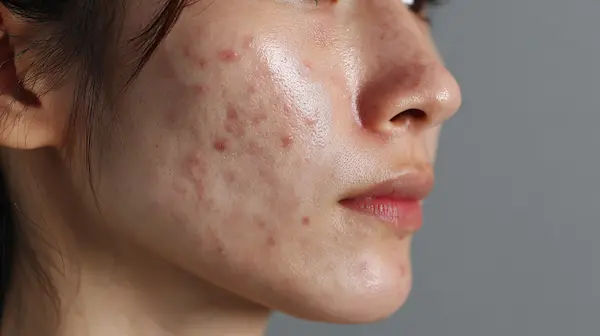
View allCan plastic surgery completely remove all my acne scars I've had this issue for a long time and really want to get rid of these marks for good
in person dr consultation requred to check physical examination.


Answered by 1 Apollo Doctors
I'm trying to understand how to properly use this coal tar and salicylic acid scalp solution. After I apply it, do I need to wash my hair right after, or should I leave it on overnight? I'm a little confused about what the best way to use it is. Can you help clarify this for me?
Yes headbath is advised to the patient.
Answered by 1 Apollo Doctors
I'm currently on Doxol LB and Vitakind Zit for acne and I'm also using Femcinol A gel overnight and in the morning for 2 hours, plus Benzac AC 2.5 for another 2 hours. A dermatologist prescribed all of this, but is it okay to be using all these treatments together like this?
Yes,Continue same treatment.
Answered by 1 Apollo Doctors
Health Articles for you
View all


Disclaimer: Answers on Apollo 247 are not intended to replace your doctor advice. Always seek help of a professional doctor in case of an medical emergency or ailment.