


- male
- 50 Years
- 07/02/2025
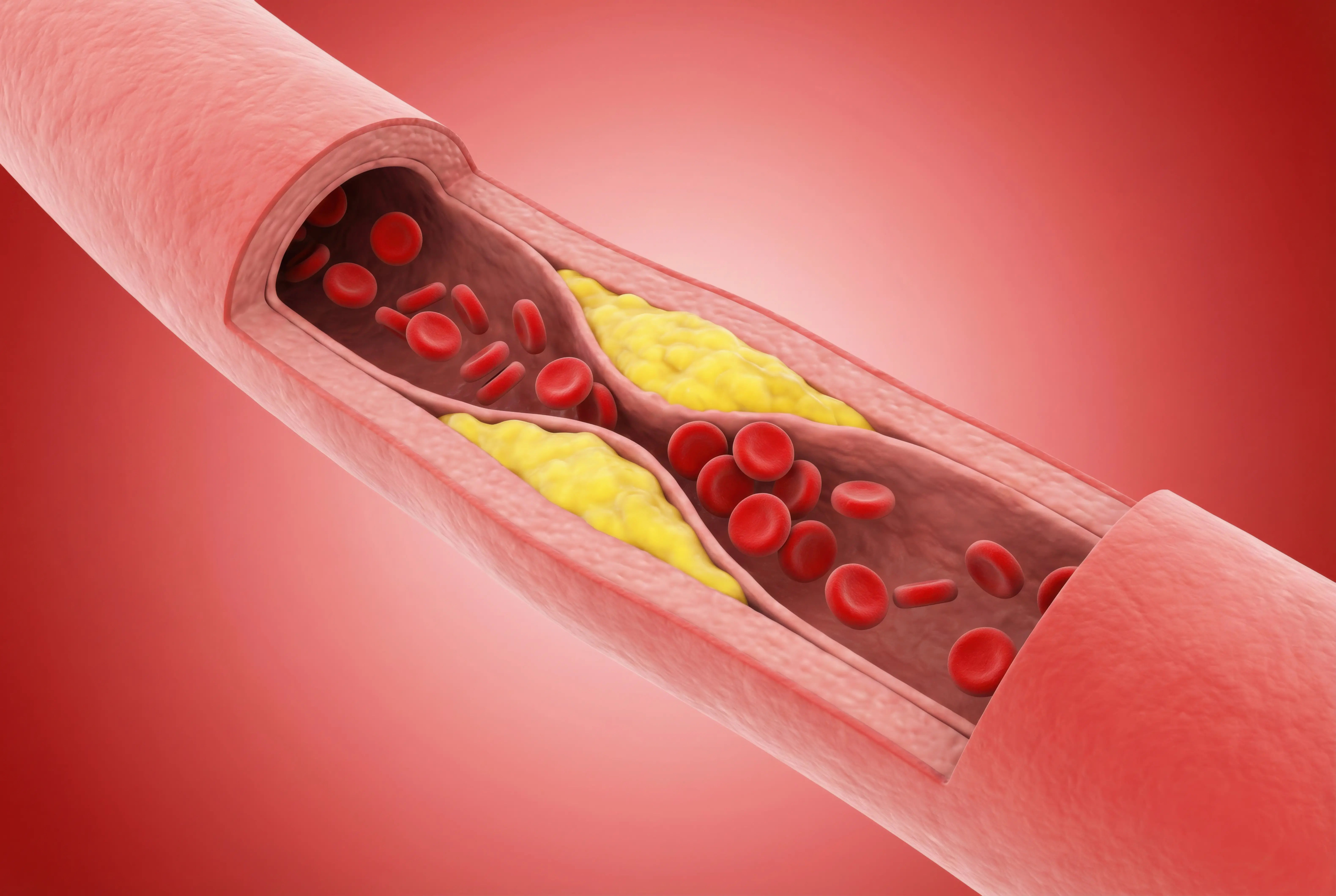
I recently got a TMT and got the results which have left me a bit confused and concerned. The report mentions that my resting ECG is normal, and my functional capacity and heart rate response during exercise are both listed as 'appropriate'. My blood pressure response seemed to be okay too, as it says 'normal resting BP' and 'appropriate response'. I didnt experience any chest pain or arrhythmia, and there were no ST changes. However, the overall impression is marked as a 'normal stress test' but concludes with 'positive for reversible ischemia'. Should I be worried about this reversible ischemia part? What does it mean, and what should my next steps be?

Answered by 1 Apollo Doctors

Based on the findings of your TMT (Treadmill Stress Test), it appears that your overall impression is normal, but the conclusion mentions a positive result for reversible ischemia. To treat reversible ischemia, you can consider taking antiplatelet medications like Aspirin 75mg once daily, along with a statin like Atorvastatin 20mg once daily to lower cholesterol levels and reduce the risk of further ischemic events. Additionally, a medication like Metoprolol 25mg twice daily can be prescribed to help manage any underlying cardiovascular conditions. It is important to follow up with your healthcare provider for further evaluation and management.
Dr. Shubham Suggests...
Consult a Cardiologist
Answered 04/07/2025
0
0

More Cardiology Health Queries
View allI've been on high blood pressure medication for the past year, taking Telma 20, and I added Prazopress XL 5 about two months ago. My blood pressure is finally under control now, so I'm wondering, is it possible for me to stop taking Prazopress? Or should I definitely talk to a doctor about this change?
no u have to continue with the medications for BP.. If u have any side-effects like bradycardia ,blurred vision , palpitations u can stop the medication.. U can take tab telma h (20+12.5) mg orally once daily in the morning..


Answered by 1 Apollo Doctors
I've been dealing with high blood pressure, like around 15080, for a bit now, and my doctors assistant put me on Stamlo 10mg twice a day. Over time, they gradually reduced it to 10mg once a day, then to 5mg, then 2.5mg, and finally half of 2.5mg because my BP stabilized. Now my doctor said I could stop taking the meds and just monitor my BP for a week. If it stays normal, I can stop the meds and just focus on a healthy lifestyle. But, if it goes up again, I might have to be on meds for life. Im worried about stopping the meds completelyis it safe to just stop like this? Could it have any serious effects on my health? What do you think?
nothing will happen you follow regular check ups
Answered by 1 Apollo Doctors
My dad had an angioplasty on the 14th of last month, and now hes been dealing with a persistent cough. We've already seen our regular physician, but it hasn't improved. He's on Ramistar, Rampril, and has a reduced left ventricular function with an EF of 44. Should we be worried about this cough not getting better? Could it be related to his heart medications, or is something else going on? I'm looking for advice on what we should do next.
Ramipril can sometimes cause cough as a side effect. If it is too severe, then the medication may need to be replaced with another anti-hypertensive. It is best to consult your regular cardiologist before making any changes to your regular medication.
Answered by 1 Apollo Doctors
Health Articles for you
View all



Disclaimer: Answers on Apollo 247 are not intended to replace your doctor advice. Always seek help of a professional doctor in case of an medical emergency or ailment.