


- Male
- 28 Years
- 22/01/2025
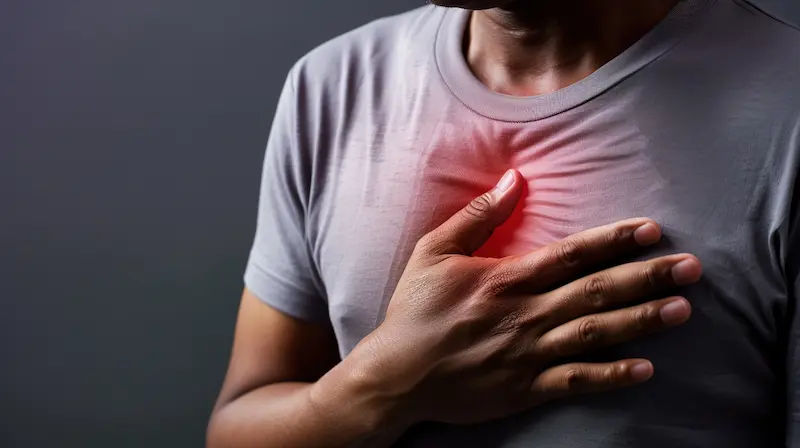
I sometimes get this pinching sensation in my chest and it's not on one particular side. I'm 28, keep myself pretty fit, and play football regularly. Should I be worried about this, or could it just be something else?

Answered by 1 Apollo Doctors

ecg and cardiac markers are advised..
Dr. Anshul Suggests...
Consult a Cardiologist
Answered 04/07/2025
0
0

More Cardiology Health Queries
View allI've recently had a TMT test done last month, and while I was on the treadmill, I started feeling really breathless and dizzy. It was kind of scary, but the doctor said the results were normal. I've got the TMT result attached. Is it common to feel like that even if the results come out okay, or should I be worried about something else?
normal finding tmt report.
read more![Doctor 1]()
![Doctor 2]()


Answered by 1 Apollo Doctors
I'm feeling some tightness in my heart, and after going to the cardiologist, they gave me prothiaden tablets. What exactly are these tablets for? I'm a bit anxious about what they do and why they're necessary in my case. Can you explain more about it?
Thats used to treat aniety and keeps your mind calm,no need to worry follow your doctors advice
read more![Doctor 1]()
![Doctor 2]()
Answered by 1 Apollo Doctors
I've recently recovered from COVID, but I've been experiencing this burning sensation in my chestsometimes on the left side and sometimes on the right. Should I be worried about this?
Normal,nothing to worry ok.
read more![Doctor 1]()
![Doctor 2]()
Answered by 1 Apollo Doctors
Health Articles for you
View all


Disclaimer: Answers on Apollo 247 are not intended to replace your doctor advice. Always seek help of a professional doctor in case of an medical emergency or ailment.