


- Female
- 27 Years
- 29/01/2025
I'm 29 weeks pregnant and my latest USG report shows an open internal OS with a cervix of 2.8, a funnel diameter of 6.4mm, and a funnel length of 12.8mm. I'm currently in the hospital, and I'm really worried about how risky this situation might be. Could you please help me understand what those measurements mean and what I should expect?

Answered by 1 Apollo Doctors

While your condition does carry some risks, especially for preterm birth, many women with similar conditions go on to have successful pregnancies with the appropriate treatment and monitoring. Your healthcare providers will be the best source of advice to manage this situation and minimize risks to both you and your baby. Stay in close contact with your doctor, and follow their instructions carefully.
Dr. Ranjith Suggests...
Consult a Obstetrician and Gynaecologist
Answered 04/07/2025
0
0

More Obstetrics & Gynaecology Health Queries
View allI'm 20 weeks pregnant and my doctor recommended Dexorange syrup for me. I'm a bit concerned because I noticed it contains 5.5% alcohol. Is it safe for me to be taking this during pregnancy?
Dexorange syrup contains iron and other vitamins, but the alcohol content is a concern during pregnancy. While the amount is small, it's best to consult your doctor regarding its use, as alcohol consumption during pregnancy is generally advised against. Your doctor may suggest an alternative iron supplement without alcohol.


Answered by 1 Apollo Doctors
I'm currently on my first round of letrozole and tested positive for pregnancy on cycle day 37. I've got an appointment on Friday, but I'm feeling a bit worried. I've been having period-like cramps for a few seconds when I walk or get up from the bed or sofa. Sometimes I feel some pain around my ovaries and even some uterine pain after I pee for a few seconds. Is this normal in early pregnancy?
#NAME?
Answered by 1 Apollo Doctors
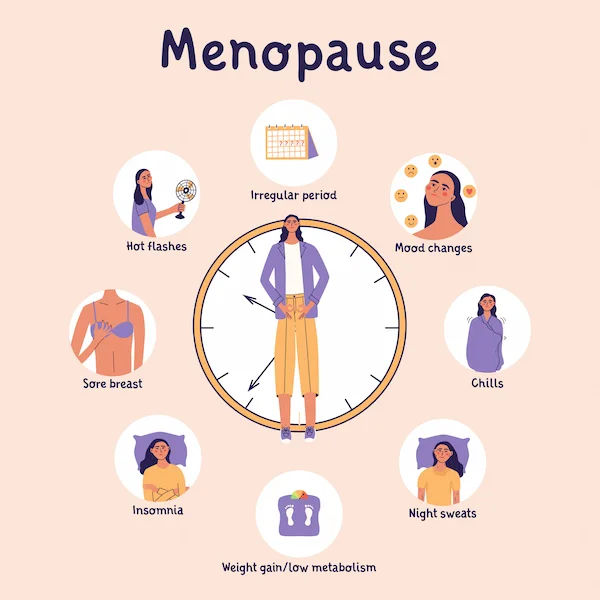
I'm a 41-year-old woman and have been healthy overall. Until recently, my menstrual cycle was quite regular at 25 days, but since April, it has shifted to once every 50 days, so now I'm getting my period every two months. Along with this change, I've also started feeling breast pain, much like the sensation during pregnancy. I'm wondering if these are signs of menopause starting. Should I be considering any medication for this? For context, my mom began menopause in her 40s too.
Its possible that youre experiencing early perimenopause, especially given the changes in your menstrual cycle and breast tenderness, which are common symptoms. Since your mother also went through menopause in her 40s, this could be hereditary. Its a good idea to consult your doctor for a thorough evaluation and to discuss whether any treatment or lifestyle changes would be helpful for managing symptoms.
Answered by 1 Apollo Doctors
Health Articles for you
View all
Disclaimer: Answers on Apollo 247 are not intended to replace your doctor advice. Always seek help of a professional doctor in case of an medical emergency or ailment.