


- Male
- 44 Years
- 20/02/2025
I'm a 44-year-old male and I just went through a health check-up with a pretty comprehensive package. Most of my results like the CBC, kidney function, lung X-ray, ESR, creatinine, blood urea, liver function, plasma glucose, HbA1c, hormone levels, thyroid assay, and urine routine came back normal. But I'm a bit concerned because my lipid profile and ECG came back with some differences, and two values in the lipid profile were highlighted in bold. I'm attaching those reports here. Could you let me know if there's anything I should be worried about or if everything's alright? What steps should I take next? Your help would be really appreciated.

Answered by 1 Apollo Doctors

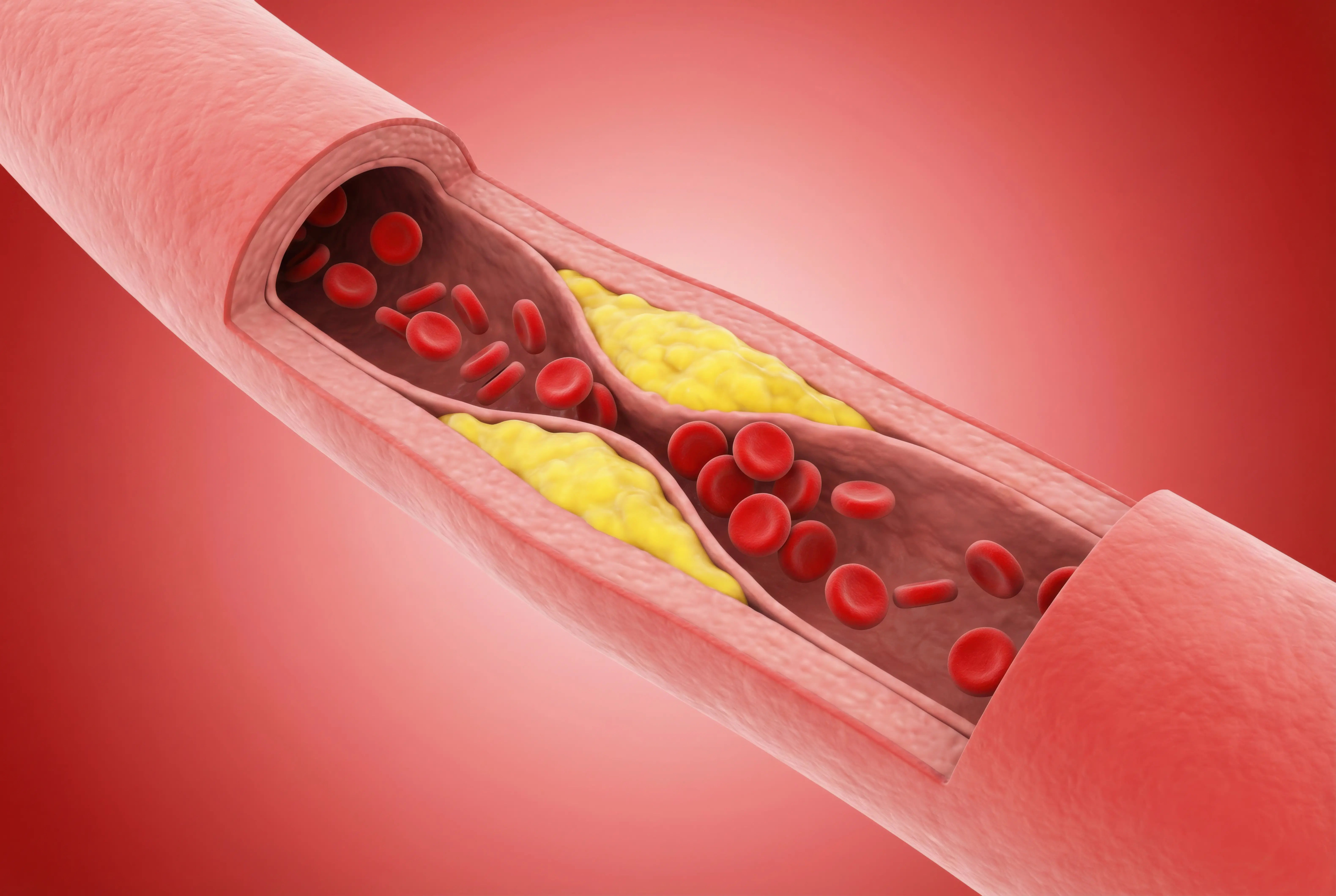
Based on the information provided, your lipid profile and ECG results are of concern. The two bold parameters in the lipid profile may indicate high cholesterol levels, which can increase your risk of heart disease. For this, you can start taking Atorvastatin 20mg once daily to help lower your cholesterol levels. As for the ECG, it would be best to consult with a cardiologist for further evaluation and interpretation of the results. They may recommend additional tests or treatments based on their assessment. Overall, it is important to follow up with a healthcare provider for a more detailed analysis and personalized treatment plan.
Dr. Ibrahim Suggests...
Consult a Cardiologist
Answered 04/07/2025
0
0


Ask Apollo
AI powered Health Chatbot
-
Lipid Profile Concerns
a. Identify which lipid values are abnormal (e.g., LDL, HDL, triglycerides).
b. Consider lifestyle changes: diet, exercise, and weight management.
c. Discuss medication options with your doctor if necessary. -
ECG Differences
a. Consult a cardiologist to interpret ECG findings.
b. Follow up with additional tests if recommended (e.g., stress test, echocardiogram). -
General Recommendations
a. Maintain regular follow-ups with your healthcare provider.
b. Monitor any new symptoms and report them promptly.
Recommended next steps
Consult a Cardiologist
Answered 10/09/2025
0
0
More Cardiology Health Queries
View allMy dad just had open heart surgery and he's doing okay right now. How long do we need to keep a close eye on him to be sure he's past any post-surgery complications? It's been 2 days since his surgery.
After open heart surgery, it is important to closely monitor for any post-surgery complications for at least the first few weeks. Common complications can include infection, bleeding, arrhythmias, or issues with the incision site. It is crucial to follow the doctor's recommendations and keep a close eye on any changes in your father's condition. In terms of medications, your father may be prescribed medications such as: - Aspirin: 81mg to 325mg daily to prevent blood clots - Clopidogrel: 75mg daily to prevent blood clots - Statins (such as Atorvastatin): dosage varies, usually taken once daily to manage cholesterol levels It is important to continue monitoring your father's recovery and follow up with his healthcare provider regularly to ensure a smooth recovery process.


Answered by 1 Apollo Doctors
What foods cause high blood pressure?
Excessive salt intake, processed foods, refined sugars and high fatty foods
Answered by 1 Apollo Doctors
I'm really worried about my dad. He's 73 and had angioplasty done at Ruby Hospital in Pune about a year ago, where they put in two stents. Now, we're back to the drawing board with blockages in two of his arteries again, and the doctor is suggesting another angioplasty. I'm really concerned and confused about whether this is the best option for him right now. Could you give me some clarity or advice on what steps we should consider?
The right diagnosis for your father would be Coronary Artery Disease (CAD) with restenosis of the stents. The recommended treatment in this case would be to undergo another angioplasty procedure to address the blockages in the two arteries. The doctor may also consider using medications such as dual antiplatelet therapy (e.g. Clopidogrel) and statins (e.g. Atorvastatin) to help prevent further blockages and manage his condition.
Answered by 1 Apollo Doctors
Health Articles for you
View all



Disclaimer: Answers on Apollo 247 are not intended to replace your doctor advice. Always seek help of a professional doctor in case of an medical emergency or ailment.