


- male
- 45 Years
- 20/02/2025
I'm a bit concerned about this flickering feeling I've been having in my right chest for the past 45 days. Sometimes it also aches a little, and it happens regularly, like every 15 to 20 minutes, lasting for about 45 seconds. It's near the rib area, and I've noticed my heart's beating faster too. My blood pressure is 13086. Is this something serious? I don't have any other issues, no cough or fever, and I can breathe fine, but this has got me worried. What could it be?

Answered by 1 Apollo Doctors

anxiety stress
Dr. Mubarak Suggests...
Consult a Cardiologist
Answered 04/07/2025
0
0


Ask Apollo
AI powered Health Chatbot
-
Immediate Actions: a. Monitor symptoms closely, especially if they worsen or change. b. Keep a record of the frequency and duration of the flickering and aching.
-
Potential Causes: a. Muscle spasms or strain. b. Anxiety or stress-related palpitations.
-
Recommendations: a. Schedule an appointment with a healthcare provider for a thorough evaluation. b. Consider an ECG to rule out cardiac issues.
-
When to Seek Urgent Care: a. If you experience chest pain, shortness of breath, or dizziness. b. If symptoms persist or worsen despite initial measures.
Recommended next steps
Consult a Cardiologist
Answered 10/09/2025
0
0
More Cardiology Health Queries
View allI've been experiencing something concerning that Id like some input on. So, last week, I had this issue but after taking some medication, it seemed to go away. However, Ive been noticing that whenever I lift weights around 25kg, I get this tight feeling in my chest. Along with that, my heart seems to race really fast. When I used my mobile to check my heart rate, the numbers were all over the place like 104, 96, 87, 45, and 79 which seemed off. At first, I thought maybe the phone sensor was acting up, but it reads other people's heart rates accurately. In the mornings, my heart rate seems stable, usually between 65 and 76, but it gets weird in the afternoon and evening. Ive had an ECG, 2D echo, and blood tests done, and my doctor says everything is normal with my heart. Is it possible for there to be issues even if those tests show normal results? I'd appreciate any insight.
Based on your symptoms, it sounds like you may be experiencing episodes of arrhythmia, which are abnormalities in the heart's rhythm. One common type of arrhythmia is atrial fibrillation, which can cause symptoms like fast or irregular heartbeats. I recommend discussing with your doctor about the possibility of wearing a Holter monitor for 24-48 hours to capture your heart's rhythm during your daily activities. This can help in identifying any intermittent arrhythmias that may not be captured during a standard ECG. In terms of management, if significant arrhythmias are detected, your doctor may prescribe medications such as beta-blockers or anti-arrhythmic drugs to help control your heart rate and rhythm. Lifestyle modifications such as reducing stress, avoiding stimulants like caffeine, and maintaining a healthy weight can also be beneficial. It's important to follow up with your doctor regularly and keep track of your symptoms. If you experience any chest pain, severe shortness of breath, fainting, or dizziness, seek immediate medical attention.


Answered by 1 Apollo Doctors
I'm a bit concerned about my heart rate. It's usually around 96, but it goes up to 120 when I walk. I don't have any other symptoms and I've had a thyroid test, ECG, and echo done, all of which came back normal. The only thing on the ECG was sinus tachycardia. I did have mild Covid last April. Should I be worried about this, or will my heart rate settle down on its own over time?
Sinus tachycardia is a common condition where the heart rate is elevated but the heart rhythm is normal. Since your thyroid, ECG, and echo results are normal, and considering your history of mild COVID-19 last year, your elevated heart rate may be due to post-viral effects. In most cases, sinus tachycardia resolves on its own as the body recovers from the viral illness. To help manage your heart rate, you can try to reduce stress, stay hydrated, and ensure you are getting adequate rest. If your symptoms persist or worsen, you can consider taking a beta-blocker medication like Metoprolol at a low dose of 25mg once daily to help control your heart rate. However, it is important to consult with your doctor before starting any new medication. Monitoring your heart rate regularly and following up with your healthcare provider for further evaluation is recommended.
Answered by 1 Apollo Doctors
How long are ECG, 2D ECHO, and Stress ECHO results valid? I've done these tests and everything came back normal, but I'm curious about how long these results are considered accurate. Should I repeat them often or are they good for a while?
Echo is valid for 6-12 months.
Answered by 1 Apollo Doctors
Health Articles for you
View all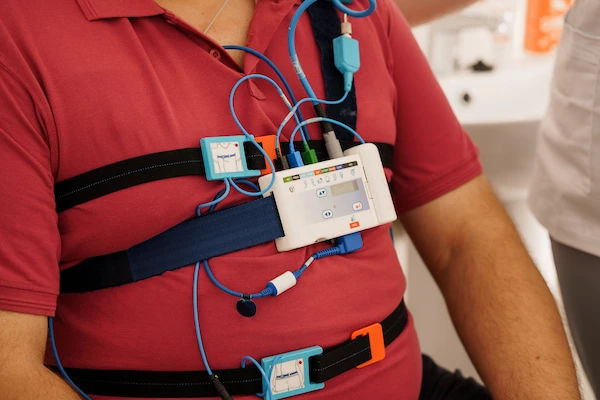
.webp)


Disclaimer: Answers on Apollo 247 are not intended to replace your doctor advice. Always seek help of a professional doctor in case of an medical emergency or ailment.