


- female
- 30 Years
- 29/01/2025
I'm a bit worried about my recent ultrasound report: USG shows 8 weeks 4 days, with a single intrauterine gestational sac and yolk sac visible, but no fetal pole is seen yet. The decidual reaction is described as moderate to good and the sac measures 2.2 cm. Is there still hope for continuing the pregnancy, or could this be an anembryonic gestation? The doctor has suggested a follow-up after a week. What should I expect?

Answered by 1 Apollo Doctors

- Single intrauterine gestational sac: A sac is present in the uterus, indicating a pregnancy.
- Yolk sac seen: The yolk sac is visible, which is a normal finding at this stage.
- Fetal poles not seen: The fetal poles, which should be visible at this stage (8 weeks 4 days), are not seen.
- Decidual reaction - moderate to good: The decidual reaction, which is the thickening of the uterine lining, is moderate to good.
Possible Diagnosis:
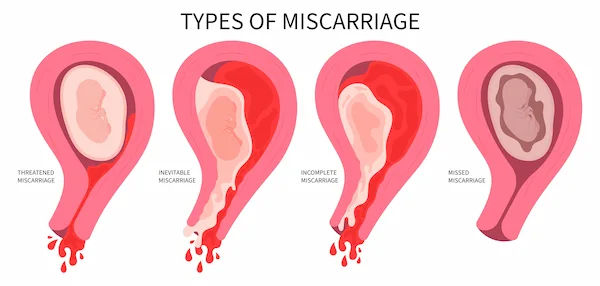
- Anembryonic gestation (also known as a blighted ovum): This is a type of miscarriage where the embryo fails to develop or dies very early in pregnancy.
- Missed abortion: This is a type of miscarriage where the embryo or fetus has died, but the body has not yet expelled the pregnancy tissue.
Next Steps:
- Follow-up ultrasound: As suggested by your doctor, a follow-up ultrasound in 1-2 weeks will help determine if the pregnancy is viable or if it has failed.
- Wait for further evaluation: It's essential to wait for further evaluation before making any conclusions about the pregnancy.
Emotional Support:
- Seek support from loved ones: Talk to family and friends about your feelings and concerns.
- Consider counseling: If you're feeling overwhelmed or anxious, consider seeking professional counseling
Dr. Dr Khaleel Suggests...
Consult a Obstetrician and Gynaecologist
Answered 04/07/2025
0
0

More Obstetrics & Gynaecology Health Queries
View allI'm really worried because I've missed my period for over 10 days now. I've been having cramps in my lower stomach and pain in my breasts. Today, I noticed some white discharge with a thin red string-like thing in it. Can you tell me what this might be? I'm really concerned about what's going on.
go for gynecologist


Answered by 1 Apollo Doctors
I'm wondering if it's okay to take Regesterone for 10 days to delay my period. I've already started the medication today. Just wanting to make sure it's safe. Can you help with this?
Yes, Regestrone Tablet can be used to delay periods
Answered by 1 Apollo Doctors
I'm really worried because I had a small amount of precum on my hand, and I wiped it off. But then, after a few minutes, I used that finger to touch my girlfriend's vagina. We're both virgins, and I'm not sure if this can make her pregnant. Could she be at risk?
The chance of pregnancy in this situation is extremely low, especially if there was minimal precum and no ejaculation. However, if you both are still concerned or if her period is delayed, you can take a home pregnancy test after about 2 weeks. For future peace of mind, consider using contraception during any sexual activity to reduce the risk of pregnancy and STIs.
Answered by 1 Apollo Doctors
Health Articles for you
View all



Disclaimer: Answers on Apollo 247 are not intended to replace your doctor advice. Always seek help of a professional doctor in case of an medical emergency or ailment.