


- Male
- 30 Years
- 23/01/2025
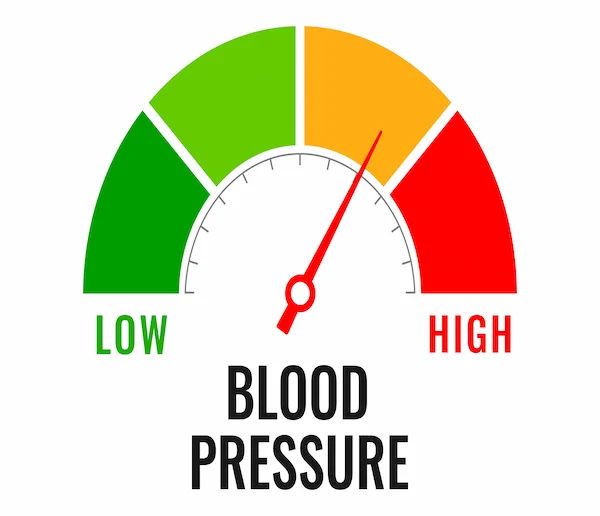
I'm currently taking Tazloc AM for my high blood pressure, but it still isn't in the normal range. I'm concerned and wondering what could be causing this. Could there be something I'm missing or should I be trying something else? It's a bit worrying since I expected the medication to help more.

Answered by 1 Apollo Doctors

For a 5-year-old child, the expected visual acuity is:
- 2030 to 2040 in each eye
- Able to identify the 2030 or 2040 line on the Snellen chart
- May not be able to read the 2020 line, which is the standard for adult vision
Keep in mind that every child develops at their own pace. Consult a pediatric ophthalmologist or optometrist for a comprehensive eye exam.
Dr. Shubham Suggests...
Consult a Cardiologist
Answered 04/07/2025
0
0

More Cardiology Health Queries
View allI'm a bit confused about the TMT and Echo results for my dad, who's 50. The Echo came back normal with an EF of 60, and the TMT showed good effort tolerance. But there were upsloping ST changes at the peak of the test. The report says it's negative for exercise-induced reversible ischemia. Is it normal to have these upsloping ST changes? Should I be worried about this?
The upsloping ST changes at the peak of the TMT test can be considered normal if the test is negative for exercise-induced reversible ischemia. It is important to correlate these findings with your father's overall clinical history and risk factors for heart disease. In this case, no further intervention may be needed based on the test results provided.


Answered by 1 Apollo Doctors
I'm feeling really hot after eating a big meal like chicken fried rice, even when I'm in air conditioning. Could this be connected to my blood pressure medication? I'm quite worried. Can you help me understand what's going on?
Can be a common reaction due to the spices used in the dish. However, if you are feeling excessively hot even in an air-conditioned environment and you are on blood pressure medication, it could be related to your medication. Some blood pressure medications can cause side effects such as flushing or feeling hot. It is important to monitor your blood pressure regularly and consult your doctor if you experience persistent symptoms.
Answered by 1 Apollo Doctors
I've been feeling this heavy sensation and pressure on my chest, and it's making it hard to breathe. There's no actual pain, but it's definitely worrying me. What could be causing this shortness of breath? Should I be concerned?
Ecg and x-ray chest pa view is advised to the patient.
Answered by 1 Apollo Doctors
Health Articles for you
View all


Disclaimer: Answers on Apollo 247 are not intended to replace your doctor advice. Always seek help of a professional doctor in case of an medical emergency or ailment.