


- Female
- 45 Years
- 29/01/2025
I'm experiencing moments when my pulse rate shoots up to 200 or more, and it lasts for about 4 to 5 hours. Can you help me understand why this is happening?

Answered by 1 Apollo Doctors

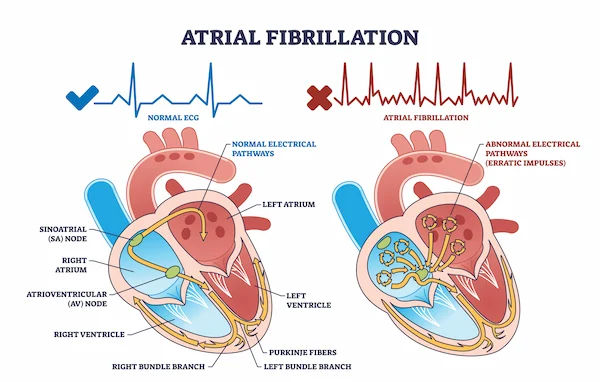
A pulse rate of 200 and above for 4 to 5 hours can be a sign of a serious medical condition called supraventricular tachycardia (SVT). SVT is a rapid heart rate that starts in the upper chambers of the heart. It can be caused by various factors such as stress, caffeine, alcohol, or underlying heart conditions. You should seek immediate medical attention if you experience such high and prolonged heart rates. The medication that can be used to help control SVT includes medications like Adenosine or Verapamil. The dosage and duration of treatment will be determined by a healthcare professional based on your individual case.
Dr. Mubarak Suggests...
Consult a Cardiologist
Answered 04/07/2025
0
0

More Cardiology Health Queries
View allI'm a bit worried as I checked my ECG today, and it showed something like 302 TV1 TV5 and it said borderline normal ECG. Im really not sure what this means. Could you help me understand what the actual issue might be and suggest any precautions I should take when dealing with a borderline ECG?
cardiologist opinion


Answered by 1 Apollo Doctors
Is it gas or heart attack?
Heart attack feels like pressure on chest cannot be relieved by antacids,associated with breathlessness. One can not entirely differentiate chest pain due to gas from chest pain due to heart attack based on symptoms only. You may need to visit a hospital and get evaluated by a health-care provider.
Answered by 1 Apollo Doctors
I'm currently taking Olmezest 40, but it's getting really pricey. Should I switch to Olmetime 40 instead? What's the difference between the two?
Both are same in the composition. ..economical and cost effective depends on affordability..
Answered by 1 Apollo Doctors
Health Articles for you
View all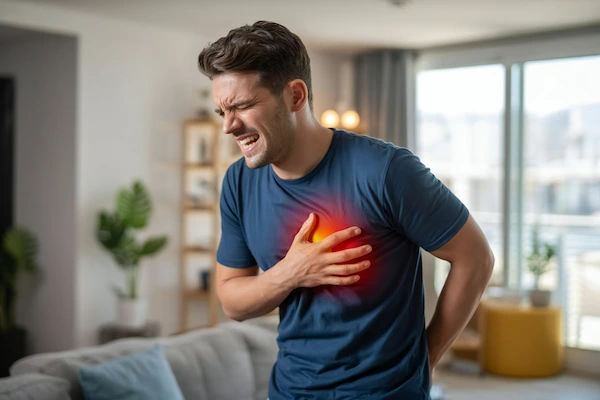
_3.webp)


Disclaimer: Answers on Apollo 247 are not intended to replace your doctor advice. Always seek help of a professional doctor in case of an medical emergency or ailment.