


- Male
- 29 Years
- 22/01/2025
I'm experiencing some chest pain on the left side whenever I take a deep breath. The pain also seems to radiate to my back. I'm having trouble sleeping because of the discomfort in both my chest and back. I'm really concerned about what's going on. Any ideas on what might be causing this and what steps I should take?

Answered by 1 Apollo Doctors

Ecg and chest x-ray is advised to the patient.
Dr. Ranjith Suggests...
Consult a Cardiologist
Answered 04/07/2025
0
0

More Cardiology Health Queries
View allI've noticed my SPO2 levels usually range from 96 to 98, but sometimes they drop to 90 before going back up to 96. I'm not sure which reading I should pay attention to. Also, my BPM is consistently over 100. Meanwhile, my mom, who's 51, has a normal BPM between 72 and 80. I'm worried if these symptoms could be related to any heart or lung issues, especially since I haven't had COVID. Could you give me some advice on this?
overthinking


Answered by 1 Apollo Doctors
I'm a 44-year-old male and I just went through a health check-up with a pretty comprehensive package. Most of my results like the CBC, kidney function, lung X-ray, ESR, creatinine, blood urea, liver function, plasma glucose, HbA1c, hormone levels, thyroid assay, and urine routine came back normal. But I'm a bit concerned because my lipid profile and ECG came back with some differences, and two values in the lipid profile were highlighted in bold. I'm attaching those reports here. Could you let me know if there's anything I should be worried about or if everything's alright? What steps should I take next? Your help would be really appreciated.
Based on the information provided, your lipid profile and ECG results are of concern. The two bold parameters in the lipid profile may indicate high cholesterol levels, which can increase your risk of heart disease. For this, you can start taking Atorvastatin 20mg once daily to help lower your cholesterol levels. As for the ECG, it would be best to consult with a cardiologist for further evaluation and interpretation of the results. They may recommend additional tests or treatments based on their assessment. Overall, it is important to follow up with a healthcare provider for a more detailed analysis and personalized treatment plan.
Answered by 1 Apollo Doctors
I'm really concerned because my Echo report says IAS and IVS are intact, and I'm not entirely sure what that means in relation to my health. My blood pressure's been high at 150100, and I'm just trying to figure out if that's connected somehow. Could you help me understand what's going on?
echo shows IAS abd IVS intact means both IAS and IVS are not damaged...Antihypertensives are indicated for the control of hypertension..ACE inhibitors are advised
Answered by 1 Apollo Doctors
Health Articles for you
View all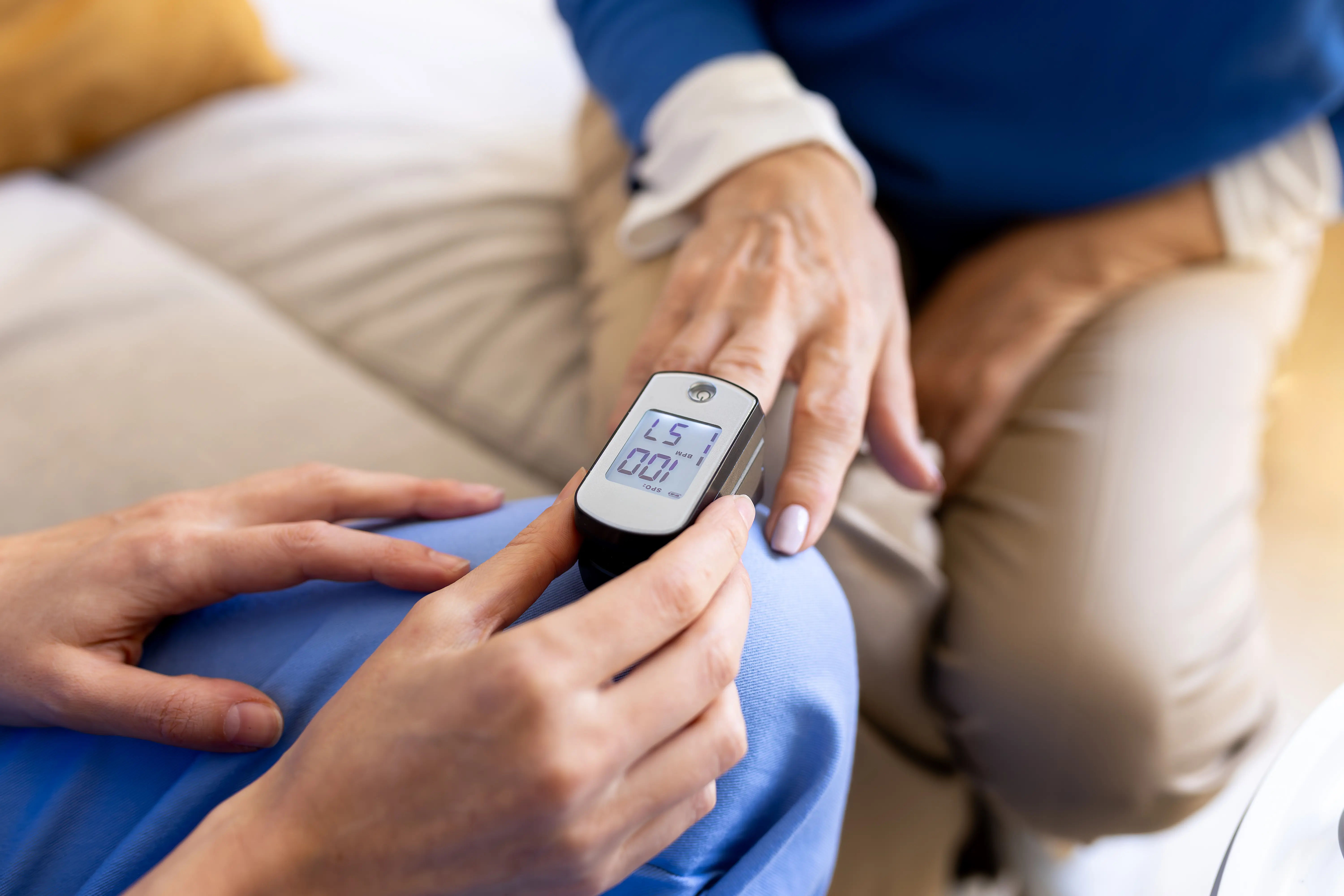



Disclaimer: Answers on Apollo 247 are not intended to replace your doctor advice. Always seek help of a professional doctor in case of an medical emergency or ailment.