


- Male
- 23 Years
- 29/01/2025
I'm feeling a bit anxious because my heart rate has increased after I took pregabalin. Do you know how long this might last or what I should do next?

Answered by 1 Apollo Doctors

After taking pregabalin and experiencing an increased heart rate, it is important to monitor your symptoms closely. The increased heart rate can be a side effect of pregabalin. It is advisable to consult your healthcare provider for further evaluation and management. To address the increased heart rate, you can consider taking a beta-blocker medication such as Metoprolol. The recommended dosage for Metoprolol in this case would be 25-50mg orally once daily. This medication can help lower your heart rate and alleviate the symptoms you are experiencing. The duration of the increased heart rate effect can vary from person to person. It is recommended to continue monitoring your symptoms and consult your healthcare provider if the symptoms persist or worsen.
Dr. Chandra Suggests...
Consult a Cardiologist
Answered 04/07/2025
0
0

More Cardiology Health Queries
View allI've been having chest pain for the last six months and I'm really worried. I got my ECG, echo, and chest X-ray done and everything came back normal. What else could be going on? What should I do next?
take tablet move x mr for 5 days , twice a day


Answered by 1 Apollo Doctors
I've been experiencing some mild chest pain right in the center of my chest, but it only lasts for a few seconds before it goes away. Should I be worried about this, or could it be something simple?
Mild, intermittent chest pain lasting a few seconds, located in the middle of your chest, may indicate non-cardiac causes such as acid reflux, anxiety, or musculoskeletal issues, but to rule out cardiac conditions like angina or myocardial infarction, it's essential to consult a cardiologist for a thorough evaluation, including an electrocardiogram (ECG), blood tests, and possibly stress tests or imaging studies.
Answered by 1 Apollo Doctors
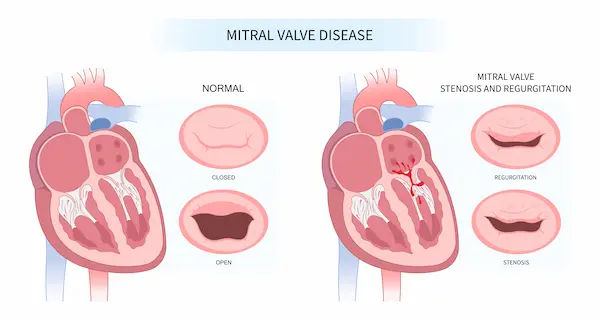
Is mitral regurgitation something that can be cured? I'm having a really hard time with daily activities because of symptoms like chest pain, feeling like I might faint, lightheadedness, and shortness of breath. What should I do? Can you help me figure this out?
Mitral regurgitation (MR) is a condition where the heart's mitral valve does not close tightly, causing blood to flow backward in the heart. Treatment for MR depends on the severity of the condition. In your case, with symptoms like chest pain, near fainting, lightheadedness, and shortness of breath, it is important to seek medical attention promptly. You may be prescribed medications such as Lisinopril (brand name: Zestril) to help reduce the workload on your heart and manage symptoms. Additionally, you may be advised to take Furosemide (brand name: Lasix) to reduce fluid buildup in your body and relieve symptoms like shortness of breath. In severe cases of MR, surgical intervention may be necessary to repair or replace the mitral valve. However, the treatment plan will be determined based on a thorough evaluation by a healthcare professional. It is crucial to follow their recommendations closely for optimal management of your condition.
Answered by 1 Apollo Doctors
Health Articles for you
View all

Disclaimer: Answers on Apollo 247 are not intended to replace your doctor advice. Always seek help of a professional doctor in case of an medical emergency or ailment.