


- Male
- 20 Years
- 22/01/2025
I'm getting really out of breath whenever I climb stairs, even though I recently had a stress echo and other tests that came back normal. Could this be related to my heart, or is it just because I don't climb stairs that often? What else could be causing this?

Answered by 1 Apollo Doctors

pulmonologist opinion.
Dr. Dr Khaleel Suggests...
Consult a Cardiologist
Answered 04/07/2025
0
0

More Cardiology Health Queries
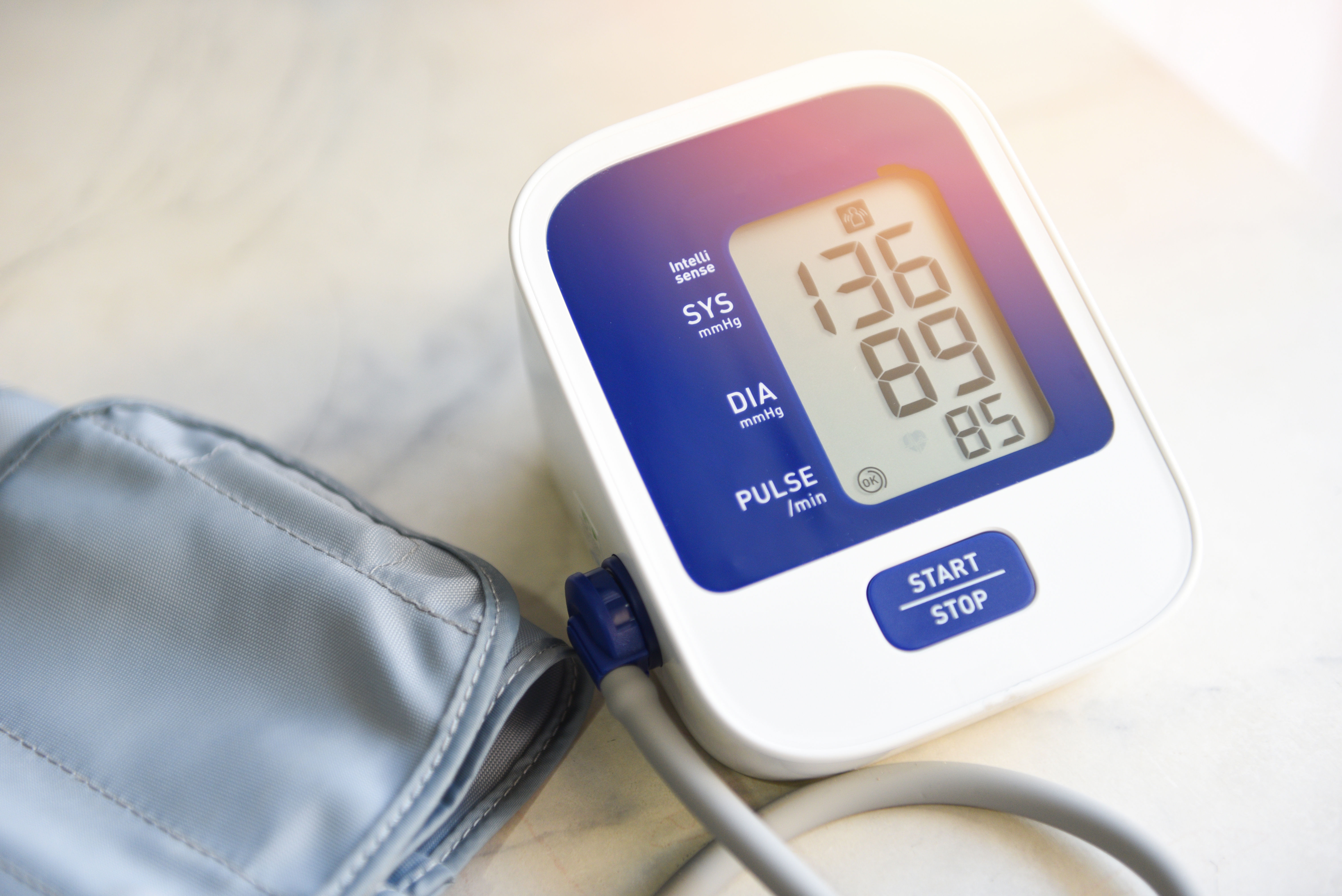
View allI'm a bit concerned about my blood pressureit seems to be all over the place. Sometimes its normal, but other times it spikes. Im trying to understand what my true blood pressure level is. How can I get an accurate diagnosis for this?
To diagnose the correct exact blood pressure level, you can monitor your blood pressure regularly at home using a digital blood pressure monitor. Make sure to follow these steps: 1. Sit quietly for 5 minutes before taking your blood pressure. 2. Place the cuff on your bare upper arm at heart level. 3. Take two or three readings, 1 minute apart, in the morning before taking any medications and in the evening before dinner. 4. Record the date, time, and blood pressure readings. 5. Share this record with your doctor for proper evaluation and management. If your blood pressure continues to fluctuate, your doctor may recommend further evaluation or prescribe antihypertensive medication such as Amlodipine (Norvasc) 5mg once daily to help control your blood pressure.


Answered by 1 Apollo Doctors
I'm feeling healthy overall, but I've been experiencing this needle-like poking sensation in my heart a few times a day, and it's starting to worry me. I'm curious if there's something I can do naturally to stop it. Any advice?
Advised an ecg and cardiac markers.
Answered by 1 Apollo Doctors
I've been taking the tablet TELVAS 3D for the past five years, but I lost my prescription somehow. Could you give me some advice on what to do next?
use medicine
Answered by 1 Apollo Doctors
Health Articles for you
View all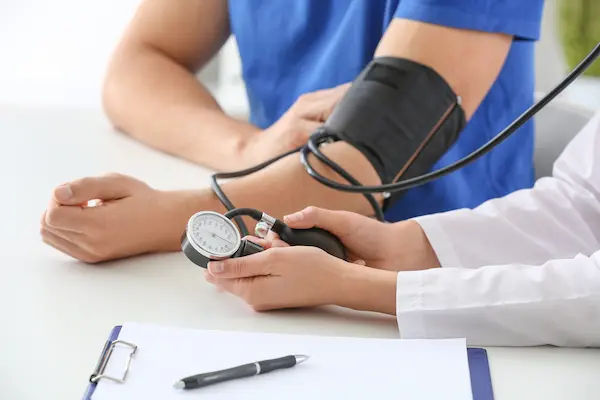
Disclaimer: Answers on Apollo 247 are not intended to replace your doctor advice. Always seek help of a professional doctor in case of an medical emergency or ailment.