apollo
  • Male
  • 30 Years
  • 22/01/2025

I'm getting really worried because my BP has been consistently at 160 over 120, even after taking the telmisartan and amlodipine 5 mg tablets. What could be happening, and why isn't my blood pressure going down?

Doctor 1

Answered by 1 Apollo Doctors

Get yourself evaluated for resistant hypertension. Get basic workup also done

Dr. Dr Khaleel Suggests...

Consult a Cardiologist

Answered 04/07/2025

0

0

Sick? Talk to a doctor now

More Cardiology Health Queries

View all

I'm really concerned about some recent findings on my coronary vessels. I've got an 80% lesion in the LAD vessel from the proximal to the mid-long segment, and then a 70% lesion in the distal long segment. Plus, there's a 90% lesion at the ostium of the D1 small vessel. On top of that, my RCA vessel has a total 100% blockage, but it's still somehow filling via bridging collaterals and retrogradely through the left coronary injection. Should I be worried about these percentages and the way my heart is compensating? What kind of treatment might be recommended in this situation?

The condition you have described is quite serious and involves multiple blockages in your coronary arteries. To address the blockages, a combination of medications and procedures may be necessary. For the 80% lesion in the ostial portion of the LAD 3 vessel, a stent placement procedure may be considered to improve blood flow. Similarly, for the 70% lesion in the proximal to mid long segment of the LAD 3 vessel, another stent placement or angioplasty may be recommended. The 80% lesion in the distal long segment of the LAD 3 vessel may also require intervention such as stenting. For the D1 small vessel with a 90% lesion, a stent placement or angioplasty may be necessary to restore blood flow. The RCA vessel with a 100% lesion in the mid portion may require more aggressive treatment such as bypass surgery. In the meantime, medications like aspirin, clopidogrel, statins, beta-blockers, and ACE inhibitors may be prescribed to manage your condition and reduce the risk of further complications. Regular follow-up with your cardiologist is crucial to monitor your progress and adjust your treatment plan as needed.

read more
Doctor 1Doctor 2

Answered by 1 Apollo Doctors

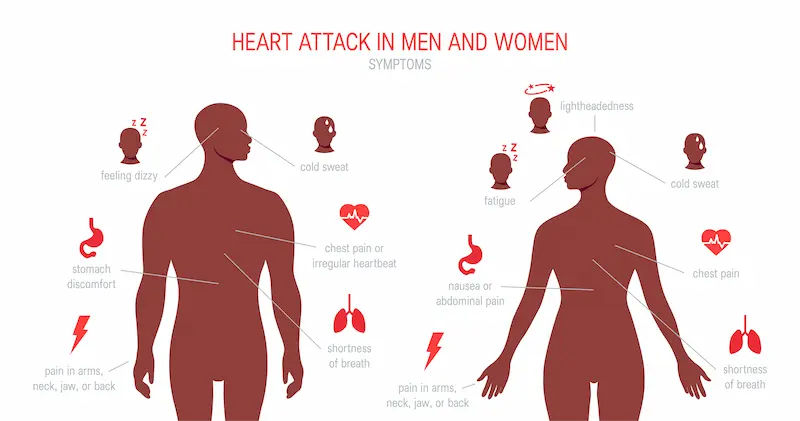
I'm really worried because I started with heart pain, and then the next day, I got this really bad pain in my left upper abdomen. I had an ECG done, and they didn't find anything unusual, and my stomach scan was clear too. But I keep getting these chest pains, mostly at night, and sometimes there's this pain in my shoulder blade that only lasts a few minutes. I'm too scared to tell my parents about all this. Can you tell me what's going on?

based on your symptoms of chest pain, left upper abdominal pain, and shoulder blade pain, along with normal ECG and abdominal scan results, it is important to consider the possibility of acid reflux or gastroesophageal reflux disease (GERD) as a potential cause of your symptoms. I recommend taking a proton pump inhibitor such as Esomeprazole (brand name Nexium) 40mg once daily before breakfast for at least 2 weeks to see if it helps alleviate your symptoms. Additionally, you can take antacids like Tums as needed for immediate relief of chest pain. It is also important to avoid spicy, fatty, and acidic foods, as well as eating at least 2-3 hours before bedtime to help reduce acid reflux symptoms. If your symptoms persist or worsen, please follow up with a doctor for further evaluation and management.

read more
Doctor 1Doctor 2

Answered by 1 Apollo Doctors

I'm a bit confused about my recent 2D echo test results. My LVEF was 60 last year, but now it's dropped to 56. The cardiologist said that's normal, but I'm doing intense exercise like jogging, so I would've thought it might increase. Should I be worried, or do you think I need any additional tests? I'm 183 cm tall and weigh 83 kg.

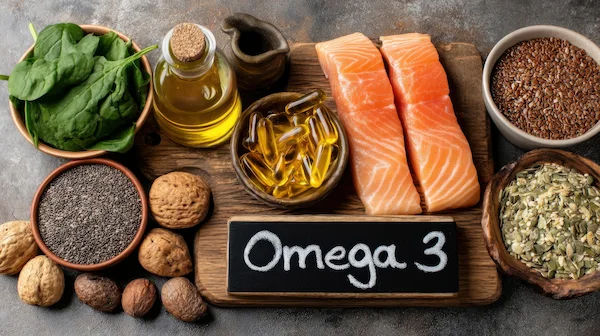
In your case, the decrease in LVEF from 60% to 56% may not necessarily be a cause for concern, especially if your cardiologist has deemed it normal. It's important to consider that LVEF can vary slightly between tests due to factors like hydration status, timing of the test, and even the technician performing the test. However, since you are engaging in intense exercise like jogging, it's good to monitor any changes in your heart function. To support your heart health while engaging in intense exercise, you can consider taking Coenzyme Q10 (CoQ10) supplements. CoQ10 can help improve heart function and provide antioxidant support. You can take CoQ10 at a dosage of 100-200mg per day. Additionally, it may be beneficial to include Omega-3 fatty acids in your diet or as a supplement. Omega-3 fatty acids can help reduce inflammation and support overall heart health. Aim for a daily dosage of 1000-2000mg of Omega-3 fatty acids. Remember to stay hydrated during your exercise routine and listen to your body for any signs of overexertion. If you experience any concerning symptoms like chest pain, shortness of breath, or dizziness, consult with your cardiologist for further evaluation.

read more
Doctor 1Doctor 2

Answered by 1 Apollo Doctors

Disclaimer: Answers on Apollo 247 are not intended to replace your doctor advice. Always seek help of a professional doctor in case of an medical emergency or ailment.