


- male
- 50 Years
- 22/01/2025
I'm having some pain that I'm worried about. It's mostly on my left elbow, both upper and sometimes the inner part, and I also feel pain just below my left ear on the jaw. Besides that, I get this discomfort below my left chest and it usually happens when Ive got gas. I've had an ECG done back in August and everything came out normal, but I'm still concerned. The pain kind of comes and goes without any chest pressure or breathing issues. Could this be heart-related? Sometimes the pain hits my back too. My blood pressure is 127 over 79 and my total cholesterol level is 264. Do these symptoms sound like I should be worried about my heart?

Answered by 1 Apollo Doctors

Based on the symptoms you have described, such as pain in the left elbow, left jaw, below the left chest, and sometimes in the back, which worsen when you have gas, along with normal ECG results and absence of chest pressure or breathing problems, it is less likely to be cardiac-related. The pain you are experiencing may be musculoskeletal or related to gastrointestinal issues. For the pain in your left elbow and jaw, you can take over-the-counter pain relievers like acetaminophen. For gas relief, you can try simethicone-based antacids. Additionally, for high cholesterol levels, you may consider starting a statin medication like atorvastatin at a low dose. It is important to follow up with your healthcare provider for further evaluation and management of your symptoms. Remember to maintain a healthy lifestyle with regular exercise and a balanced diet to help manage your cholesterol levels.
Dr. Dr Khaleel Suggests...
Consult a Cardiologist
Answered 04/07/2025
0
0

More Cardiology Health Queries
View allI'm trying to make sense of my recent test results. The CT angiography came back normal, but my treadmill test is mildly positive. I don't have any chest pain, my blood sugar is normal, and my lipid profile is good, but I do have high blood pressure. What does this all mean? Should I be worried about the mildly positive TMT even though everything else seems fine? What should be my next steps?
TMT showing mild positive results without chest pain could indicate a potential issue with the heart's blood supply. Since your CT angiography is normal and other parameters like blood sugar and lipid profile are also normal, it's important to focus on managing your blood pressure to reduce the risk of any further heart-related issues. You can start taking Amlodipine 5mg once daily to help control your blood pressure effectively. Regular monitoring of your blood pressure is essential to ensure it stays within a healthy range.


Answered by 1 Apollo Doctors
I'm a bit concerned about my blood pressureit seems to be all over the place. Sometimes its normal, but other times it spikes. Im trying to understand what my true blood pressure level is. How can I get an accurate diagnosis for this?
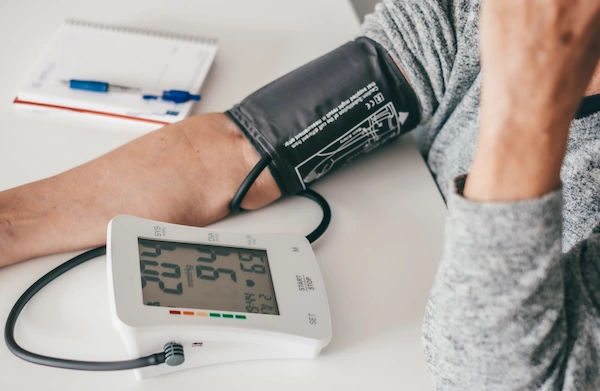
To diagnose the correct exact blood pressure level, you can monitor your blood pressure regularly at home using a digital blood pressure monitor. Make sure to follow these steps: 1. Sit quietly for 5 minutes before taking your blood pressure. 2. Place the cuff on your bare upper arm at heart level. 3. Take two or three readings, 1 minute apart, in the morning before taking any medications and in the evening before dinner. 4. Record the date, time, and blood pressure readings. 5. Share this record with your doctor for proper evaluation and management. If your blood pressure continues to fluctuate, your doctor may recommend further evaluation or prescribe antihypertensive medication such as Amlodipine (Norvasc) 5mg once daily to help control your blood pressure.
Answered by 1 Apollo Doctors
I'm wondering if you can help me out. I was stretching my neck and suddenly felt a squeezing sensation in my upper chest. Now, I'm noticing a bit of pain in my chest whenever I stretch or do activities that involve my chest. My breathing seems fine, though. Should I be concerned about this chest pain, or is it something that might go away on its own? Looking forward to your advice.
pectorolis minor strain intercostal muscle strain - take tab zerdol MR for 3 days
Answered by 1 Apollo Doctors
Health Articles for you
View all
Disclaimer: Answers on Apollo 247 are not intended to replace your doctor advice. Always seek help of a professional doctor in case of an medical emergency or ailment.