


- Male
- 36 Years
- 29/01/2025
I'm looking at my blood test results, and my lymphocyte count seems to be higher than usual. Is this something I should be worried about, or do I need to get any further tests done?

Answered by 1 Apollo Doctors

An elevated lymphocyte count can be a normal response to infection, inflammation, or stress, but persistently high levels may indicate an underlying condition, such as a viral infection, autoimmune disorder, or lymphoproliferative disorder; consult your doctor to discuss the results and determine if additional tests, such as a lymphocyte subset analysis, bone marrow biopsy, or imaging studies, are necessary to investigate the cause of the elevated lymphocyte count.
Dr. Mubarak Suggests...
Consult a Haematologist
Answered 04/07/2025
0
0

More Haematology Health Queries
View allI'm curious about mild hypochromia and why it happens. What kind of treatments are available for it? Are there any precautions I should be aware of? I'm really looking for some guidance here.
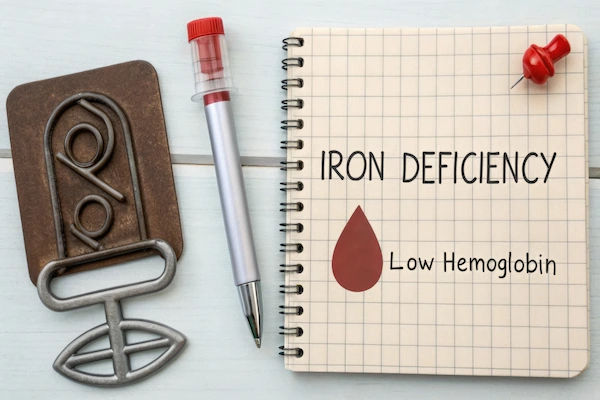
Mild hypochromia refers to a condition where red blood cells have less hemoglobin than normal, resulting in paler cells it is cuased due to Iron Deficiency Anemia ,Include foods rich in iron, vitamin B12, folate, and vitamin C


Answered by 1 Apollo Doctors
I'm a bit concerned about my platelet count, which came back as 0.79 lakh per cubic millimeter. Is this considered normal or moderate? Also, I'm wondering if there's a way to treat this without needing a transfusion.
Visit your Physician for appropriate management
Answered by 1 Apollo Doctors
I'm working as a receptionist at a clinic, and I came across a report where a 38-year-old lady had her platelet counts highlighted as high. The normal range listed was 1.5 to 4.5 lakhs, but I'm a bit unsure about what count is actually considered too high. Could you explain what qualifies as a high platelet count?
Yes, the normal platelet count range is typically between 1.5 to 4.5 lakhs per microliter of blood. A count above 4.5 lakhs would be considered high, and it can indicate conditions like inflammation, infection, or certain medical disorders. It's important to investigate further to understand the cause.
Answered by 1 Apollo Doctors
Health Articles for you
View all
.webp)

Disclaimer: Answers on Apollo 247 are not intended to replace your doctor advice. Always seek help of a professional doctor in case of an medical emergency or ailment.