


- male
- 50 Years
- 29/01/2025
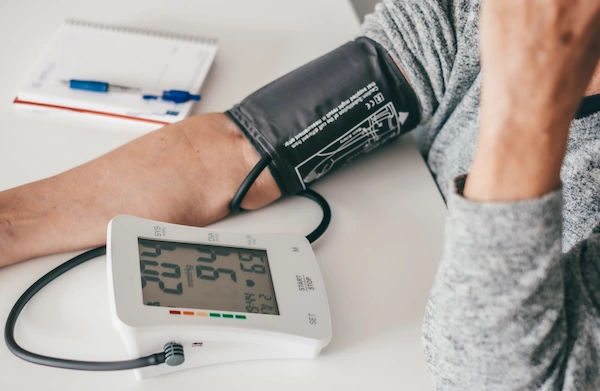
I'm monitoring my blood pressure with an Omron machine, and it reads 100140, but my pulse is normal. I heard that blood pressure can stay high in winter. Should I think about consulting a doctor for this?

Answered by 1 Apollo Doctors

Seasonal changes can indeed affect blood pressure levels in some individuals. If your blood pressure consistently remains at 140100 mmHg, it is advisable to consult a doctor for further evaluation. You can consider taking antihypertensive medication like Losartan 50mg once daily to help manage your blood pressure. However, it is important to consult a healthcare professional for proper assessment and personalized treatment plan.
Dr. Anshul Suggests...
Consult a Cardiologist
Answered 04/07/2025
0
0

More Cardiology Health Queries
View allI'm a bit worried about my ECG results. It showed a mild left axis deviation and some T wave abnormalities with a kind of flat wave. Could you help me understand what that might mean? Should I be concerned about these findings?
See a specialist for accurate diagnosis and targeted treatment.


Answered by 1 Apollo Doctors
I'm having some issues with chest pain on my left side, and it's been going on for the last couple of months. The pain comes and goes and often extends from my upper chest to my left arm. I've also experienced some pulling in my left leg and occasional abdominal pain. I've had 5 ECG tests which were normal, and my echo showed an LVEF of 55. Today, we did a TMT. Could you help explain what all this means? Do you think I need any other tests?
It sounds like you may be experiencing symptoms of angina, which is chest pain or discomfort caused by reduced blood flow to your heart muscle. The pain in your upper chest that extends from your shoulder to your left arm, along with left hand pain and abdominal pain, could be related to this. The normal ECG results and an LVEF of 55% from the echo are positive findings. Since you have already undergone a TMT (Treadmill Test), it is good for assessing how your heart responds to exertion. If the TMT results are inconclusive or if your symptoms persist, you may consider getting a coronary angiography to visualize any blockages in the coronary arteries. This test can help determine if there is any significant blockage that may be causing your symptoms. In the meantime, it is important to manage your symptoms. You can take medications like Aspirin to help reduce the risk of blood clots, and medications like Atorvastatin to lower cholesterol levels. Additionally, Nitroglycerin can help relieve chest pain during episodes of angina. It is important to follow up with your healthcare provider for further evaluation and management.
Answered by 1 Apollo Doctors
I'm really concerned because my heart pumping has reduced to 30. Is it better to start on medication right away or should I consider other treatments? Also, could yoga be an effective option for dealing with this issue? I could really use some guidance on this.
Heart pumping reduce to 30% can be a serious condition and may require medical intervention. To improve heart function and manage symptoms, I would recommend starting with medication such as Carvedilol at a dosage of 6.25mg twice daily, along with Lisinopril at a dosage of 10mg once daily. These medications can help improve heart function and reduce strain on the heart. In addition to medication, regular exercise, such as yoga, can also be beneficial. Yoga can help reduce stress, improve circulation, and strengthen the heart muscles. Poses such as the Mountain Pose, Warrior Pose, and Bridge Pose can be particularly helpful. However, it is important to consult with your healthcare provider before starting any new exercise regimen to ensure it is safe for your condition.
Answered by 1 Apollo Doctors
Health Articles for you
View all


Disclaimer: Answers on Apollo 247 are not intended to replace your doctor advice. Always seek help of a professional doctor in case of an medical emergency or ailment.