


- Female
- 35 Years
- 23/01/2025
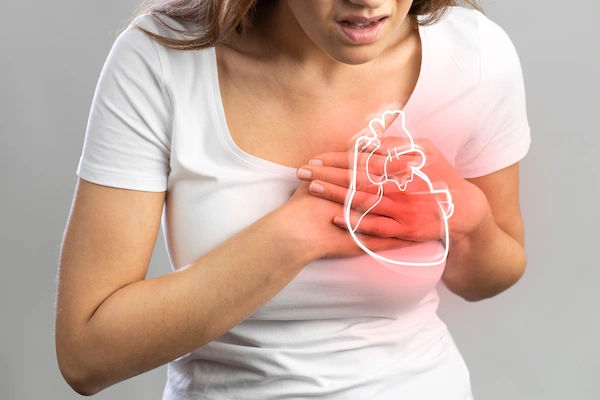
I'm really concerned because I've been having this pain in my upper back and on the left side of my chest for the past two days. I'm trying to figure out what might be causing it. Could it be something serious? What should I do about it?

Answered by 1 Apollo Doctors

Guvava (Guava) Fruit and Fever
General Information
- Guvava's nutritional benefits: Rich in vitamin C, antioxidants, and fiber.
- No direct link to fever increase: Guvava fruit does not inherently increase fever.
Potential Considerations
- Natural sugars: Guvava contains natural sugars, which may affect blood sugar levels.
- Digestive comfort: If you're experiencing fever, your digestive system might be sensitive; guvava's high fiber content could potentially cause discomfort.
Precautions
- Eat in moderation: Consume guvava fruit in moderation to avoid any potential digestive discomfort.
- Stay hydrated: Drink plenty of fluids, including water, clear broths, or electrolyte-rich beverages.
- Monitor your fever: Keep track of your temperature and seek medical attention if your fever worsens or persists.
Dr. Ranjith Suggests...
Consult a Cardiologist
Answered 04/07/2025
0
0

More Cardiology Health Queries
View allI'm feeling this strange pulsating sensation in my left ribs that goes down my armpit, and I'm having some chest pain as well. It's pretty unsettling, and on top of that, my left hand and leg keep sweating. This mostly happens at night, and I notice my heart is beating faster during these episodes. Any ideas on what might be causing this?
take ecg snd consult cardioloist


Answered by 1 Apollo Doctors
I'm really worried because I fainted like 45 times yesterday while I was with my boyfriend. It all started when I suddenly passed out while hugging and kissing him. He managed to wake me up each time and even gave me some chocolate to eat, but I kept fainting again after a few minutes. The whole time, he was holding me and trying to calm me down. I hadn't eaten anything since last night, except for a cup of milk then and another one this morning. Could this be because I didn't eat enough, or is it something more serious?
You experienced repeated fainting spells (syncope) while hugging and kissing your boyfriend. Possible causes: Medical Conditions 1. Hypoglycemia (low blood sugar): Lack of food intake, especially after milk consumption. 2. Dehydration: Insufficient fluid intake. 3. Anxiety or stress: Emotional distress. 4. Cardiovascular issues: Rare, but possible
Answered by 1 Apollo Doctors
I'm really worried about my dad. He suddenly started having this pain on both sides of his chest and hes having trouble breathing. The pain gets really bad when he walks or even with the slightest movement. We got his ECG, CBC, and Trop T reports done and they all came back normal, but it's been four days and he hasn't felt any better. What could be causing this and what should we do next?
gastritis , start pamtoprazol
Answered by 1 Apollo Doctors
Health Articles for you
View all

Disclaimer: Answers on Apollo 247 are not intended to replace your doctor advice. Always seek help of a professional doctor in case of an medical emergency or ailment.