


- male
- 60 Years
- 29/01/2025
I'm really worried about my dad. He had a paralysis attack three years ago, and it's been tough since then. He's got 34 tiny blood clots in his brain, kidney issues, and arthritis. We've seen so many doctors and even had to put him on a ventilator twice. He's mostly bedridden now, and it seems like the paralysis has affected his tongue and mouth too. Sometimes he can open his mouth for food, and other times we have to do it for him. We've been to different hospitals, but we're still struggling to find a solution. Do you know what else we could try or maybe recommend hospitals with blood clot removing tech? Any advice would be really appreciated.

Answered by 1 Apollo Doctors

Possible Causes_
- Overstimulation: Daily masturbation can cause overstimulation of the nerves in your abdominal area, leading to cramp-like pains.
- Prostatitis: Inflammation of the prostate gland can cause pain in the abdomen, groin, or chest.
- Epididymitis: Inflammation of the epididymis (a tube behind the testicle) can cause pain in the abdomen, groin, or testicle.
- Gastrointestinal issues: Constipation, gas, or other gastrointestinal issues can cause abdominal pain.
What to Do
- Reduce masturbation frequency: Try reducing the frequency of masturbation to see if the pain subsides.
- Consult a doctor: Schedule an appointment with your primary care physician or a pediatrician to discuss your symptoms.
- Get a physical exam: A doctor will perform a physical exam to check for any underlying conditions.
- Urinalysis and other tests: Your doctor may order a urinalysis and other tests to rule out infections or other conditions.
Remember
- Masturbation is normal: Masturbation is a normal part of human sexuality, but it's essential to practice moderation.
- Don't hesitate to seek help: If you're experiencing persistent or severe pain, don't hesitate to seek medical attention.
Dr. Ibrahim Suggests...
Consult a Neurologist
Answered 04/07/2025
0
0

More Neurology Health Queries
View allI'm really worried about recognizing the symptoms of a stroke and what the treatment process involves. How quickly do I need to get treatment if I suspect someone is having a stroke, and could you explain how the whole treatment process works?
Symptoms of a stroke include sudden numbness or weakness in the face, arm, or leg, especially on one side of the body, sudden confusion, trouble speaking or understanding speech, sudden trouble seeing in one or both eyes, sudden trouble walking, dizziness, loss of balance or coordination, and sudden severe headache with no known cause. The treatment for a stroke depends on whether it is ischemic (caused by a blockage in a blood vessel) or hemorrhagic (caused by bleeding in the brain). In the case of an ischemic stroke, the most common treatment is the administration of tissue plasminogen activator (tPA) within 4.5 hours of the onset of symptoms to dissolve the clot. Another treatment option is a mechanical thrombectomy, where a catheter is used to remove the clot. For hemorrhagic strokes, treatment may involve surgery to repair the blood vessel or reduce pressure in the brain. The time needed for treatment varies depending on the individual case and the type of stroke. It is crucial to seek immediate medical attention if you suspect a stroke, as early treatment can help minimize brain damage and improve outcomes. Remember, time is of the essence when it comes to treating a stroke, so do not delay in seeking medical help if you or someone you know is experiencing symptoms of a stroke.


Answered by 1 Apollo Doctors
Lately, I've been noticing a pin-pricking sensation on the upper part of my right-hand ring finger, and it tends to happen more frequently in the evenings. It's getting a bit concerning, and I'm wondering what might be causing it. Should I be worried or is there something I should be doing to alleviate it?
It sounds like you may be experiencing a sensation of tingling or pins and needles in your ring finger. This can be caused by pressure on nerves, poor circulation, or even repetitive use of the hand. If the sensation persists or worsens, it's a good idea to consult a healthcare provider to rule out conditions like nerve compression or carpal tunnel syndrome.
Answered by 1 Apollo Doctors
I'm really worried about my wife's situation. She's been having this constant pain and numbness in her calf whenever she tries to sleep at night, and it's really affecting her sleep. We recently did a full blood test, and everything seemed almost normal. Someone suggested she should start taking B complex, so we've been trying that. But is there anything else we can do to get rid of this nighttime calf pain for good?
That could be due to Calcium deficiency or vascular pain, visit General physician for evaluation and appropriate management
Answered by 1 Apollo Doctors
Health Articles for you
View all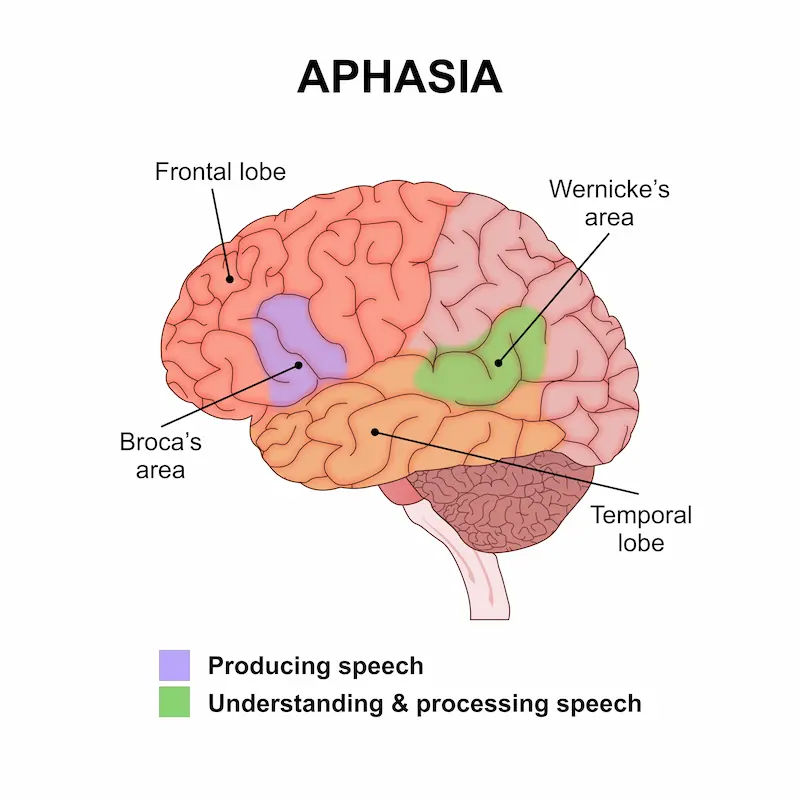




Disclaimer: Answers on Apollo 247 are not intended to replace your doctor advice. Always seek help of a professional doctor in case of an medical emergency or ailment.