


- male
- 60 Years
- 20/02/2025
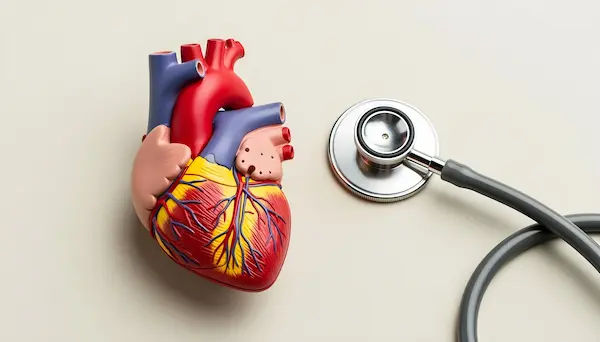
I'm really worried about my dad. For the past couple of months, his CRP and ESR levels have been off, with his recent tests showing CRP at 27 mgL and an ESR of 47. Now hes also been experiencing some heart pain over the last four days. What precautions or steps should we be taking to address these health issues?

Answered by 1 Apollo Doctors

Visit Physician for appropriate management
Dr. Chandra Suggests...
Consult a Cardiologist
Answered 25/07/2025
0
0

More Cardiology Health Queries
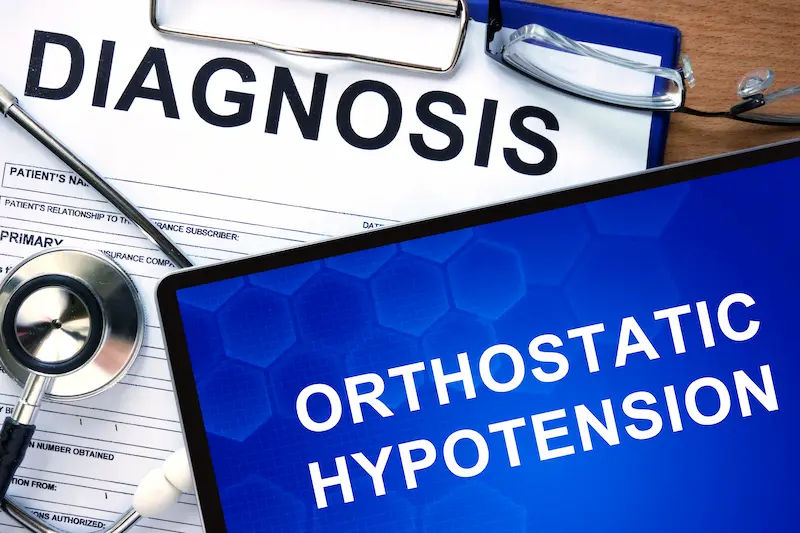
View allI'm really worried about my mom. Shes got low blood pressure at 11060 and her pulse rate is high at 94. Shes feeling dizzy and hasnt been able to sleep well. What should we do about this? Any advice would be really appreciated.
Normal. if u get symptoms like vcough,breathing difficulty, tremors,seizures immediately physician opinion is advised to the patient.


Answered by 1 Apollo Doctors
I had an emergency angioplasty with one stent a year ago, and now my medications have changed. I'm now taking Aztogold once a day. I'm wondering how long I'll need to keep taking this medicine?
You should continue taking Atorvastatin (Aztogold) as prescribed by your doctor. It is commonly recommended to take statins like Atorvastatin long-term to help manage cholesterol levels and reduce the risk of further heart complications. The duration of treatment may vary depending on your individual health condition and risk factors. It is important to follow your doctor's advice regarding the duration of treatment with Atorvastatin.
Answered by 1 Apollo Doctors
Are eggs bad for cholesterol?
Eggs contains high cholesterol but it doesn't seems to raise cholesterol the way other cholesterol foods do. You may consume them in moderation and can prefer only egg white also as it contains only proteins.
Answered by 1 Apollo Doctors
Health Articles for you
View all
Disclaimer: Answers on Apollo 247 are not intended to replace your doctor advice. Always seek help of a professional doctor in case of an medical emergency or ailment.