


- Female
- 81 Years
- 22/01/2025
I'm really worried about my grandmother. She's been experiencing chest pain once a day for about 5 minutes, and then it just goes away on its own. Could you please let me know what might be going on?

Answered by 1 Apollo Doctors

Patient is advised x-ray chest and sputum for AFB and microscopy.
Dr. Mubarak Suggests...
Consult a Cardiologist
Answered 04/07/2025
0
0

More Cardiology Health Queries
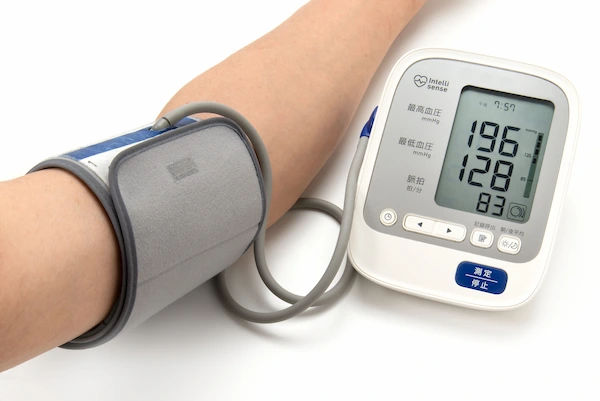
View allI've been dealing with high blood pressure for the past five months, and it's really starting to worry me. I get dizzy, have blurred vision, headaches, and neck pain too. The weird thing is, sometimes my blood pressure shoots up after I eat. I'm a 26-year-old female, weighing 90 kg with a height of 5'9". My thyroid tests are normal, but I've been on losakindh 25 mg for about three months, and it doesn't seem to be helping anymore. Do you have any advice on what might be going on or what I could try next?
It seems like your blood pressure is not well controlled with Losakind-H 25 mg anymore. I recommend adding a calcium channel blocker like Amlodipine 5 mg once daily to help lower your blood pressure. Additionally, you can consider adding a diuretic like Hydrochlorothiazide 12.5 mg once daily to further control your blood pressure. However, it is important to consult with your healthcare provider before making any changes to your medication regimen.


Answered by 1 Apollo Doctors
I'm a 37-year-old guy and I've just got my lipid test results back. I'm a bit concerned about some of the numbers, like the LDL at 120 mgdl, triglycerides at 231 mgdl, and VLDL at 46.2 mgdl. My triglycerides to HDL ratio is also 7.4. Could you please guide me on what steps I should take next for treatment or lifestyle changes?
Based on your lipid test results, your triglyceride levels are elevated. To help lower your triglycerides, I recommend starting with lifestyle modifications such as following a healthy diet low in sugars and refined carbohydrates, exercising regularly, and maintaining a healthy weight. In addition, medication may also be necessary to help lower your triglyceride levels. I recommend starting with a prescription of Fenofibrate (brand name Tricor) at a dosage of 145mg once daily. This medication can help lower triglycerides and increase HDL cholesterol levels. It's important to follow up with your healthcare provider regularly to monitor your lipid levels and adjust your treatment plan as needed.
Answered by 1 Apollo Doctors
I'm wondering if it's safe to use a generic substitute that has the same active ingredients for Rozavel 20 mg, Praxa 75, and Volgimac GM2 tablets after having a stent placed. Is there anything specific I should be cautious about with these generics in my situation?
Yes, it is generally safe to use generic substitutes with the same API as long as they are prescribed by your healthcare provider. For Rozavel 20 mg, you can use the generic substitute called Rosuvastatin 20 mg. For Praxa 75 Volgimac gm2 tablets, you can use the generic substitute called Clopidogrel 75 mg. It is important to follow your doctor's instructions regarding the dosage and administration of these medications after stenting.
Answered by 1 Apollo Doctors
Health Articles for you
View all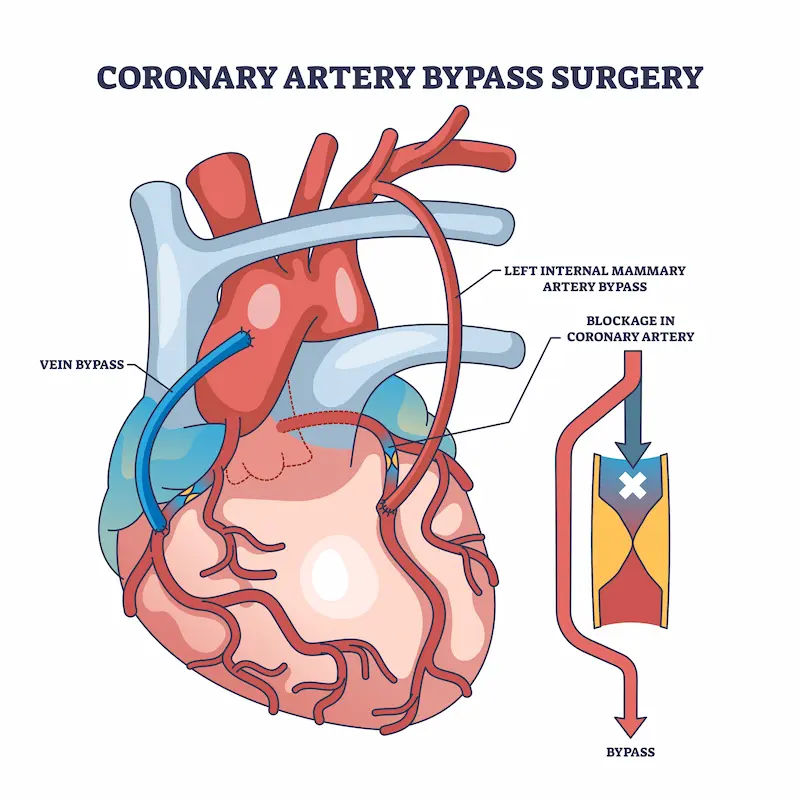

.webp)

Disclaimer: Answers on Apollo 247 are not intended to replace your doctor advice. Always seek help of a professional doctor in case of an medical emergency or ailment.