


- Female
- 58 Years
- 20/02/2025
I'm really worried about my mom. She's been having chest pain and her ECG was abnormal, but her echo and TMT came out okay. Her blood tests showed she has diabetes and her thyroid level was at 10. The doctor gave her meds for the sugar and thyroid issues, but she's still in pain. What could be going on, and what should we do next?

Answered by 1 Apollo Doctors

I'm sorry to hear about your mother's continuing chest pain. Given that her ECG was abnormal but the echocardiogram (echo) and treadmill test (TMT) were normal, it's important to explore other potential causes of her chest pain, such as gastrointestinal issues, musculoskeletal problems, or anxiety. Since she has been diagnosed with diabetes and thyroid issues, it's critical to manage these conditions properly, as they can sometimes contribute to chest pain.
I recommend a follow-up with her healthcare provider to reassess her symptoms, review her medication regimen, and possibly consider additional tests like a chest X-ray or a consultation with a gastroenterologist depending on her symptoms.
Dr. Ibrahim Suggests...
Consult a Endocrinologist
Answered 04/07/2025
0
0


Ask Apollo
AI powered Health Chatbot
-
Understanding Diabetes and Thyroid Levels
- Diabetes indicates high blood sugar levels, requiring management to prevent complications.
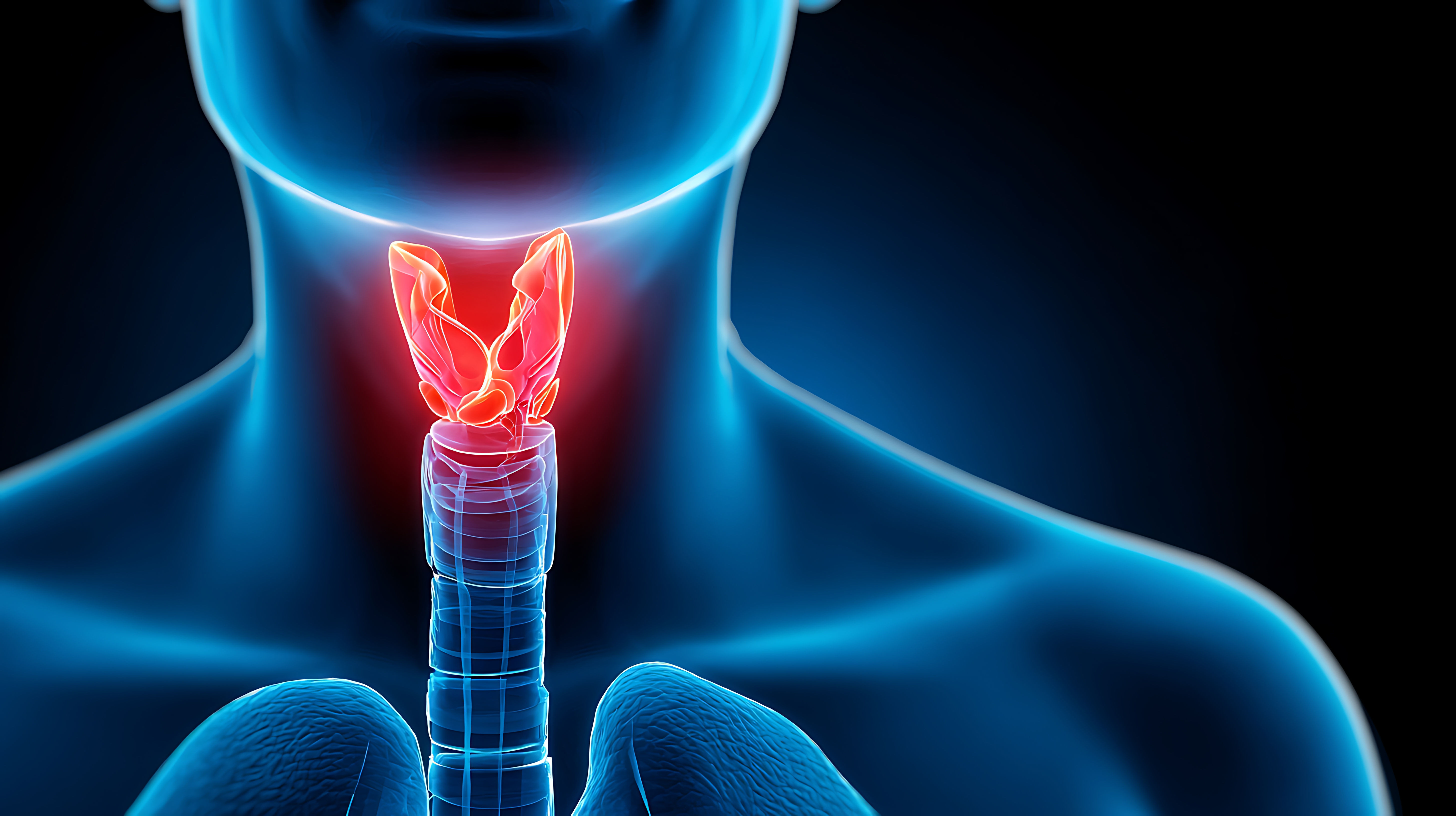
- A thyroid level of 10 suggests hypothyroidism, which can cause fatigue and pain.
-
Chest Pain and Cardiac Tests
- An abnormal ECG with normal echo and TMT may indicate non-cardiac causes of chest pain.
- Consider other potential causes like musculoskeletal or gastrointestinal issues.
-
Importance of Ongoing Medical Evaluation
- Follow up with healthcare providers, including a cardiologist and endocrinologist.
- Review the effectiveness of current medications regularly.
-
Next Steps and Recommendations
- Consider further diagnostic tests to identify the cause of chest pain.
- Monitor blood sugar and thyroid levels consistently.
- Seek urgent care if chest pain worsens or if there is shortness of breath.
-
Support and Care
- Maintain open communication with doctors.
- Manage stress and ensure proper medication adherence.
Recommended next steps
Consult a Cardiologist or Consult a Endocrinologist
Answered 10/09/2025
0
0
More Endocrinology Health Queries
View allI'm experiencing excess body heat despite drinking 23 liters of water every day. Should I be worried about this?
High VLDL cholesterol and triglycerides can be caused by: 1. Poor diet (high sugar, refined carbs, and saturated fats) 2. Lack of exercise 3. Genetics 4. Obesity 5. Liver dysfunction Frequent pain on the upper right side (liver side) may indicate: 1. Fatty liver disease 2. Liver inflammation 3. Gallstones To control high VLDL cholesterol and triglycerides without medicine: 1. Adopt a healthy diet (increase omega-3 fatty acids, fiber, and antioxidants) 2. Exercise regularly (aim for 150 minutesweek) 3. Maintain a healthy weight 4. Limit alcohol consumption 5. Manage stress


Answered by 1 Apollo Doctors
Is there any way to treat gynecomastia without surgery? I've been doing exercises but they don't seem to help at all. Can it go away on its own or do I need medical intervention?
Yes, there are non-surgical treatments for gynecomastia, and exercise alone may not be enough to significantly reduce breast tissue. While exercise can help reduce overall body fat and build chest muscles, it might not address the glandular tissue itself. Medications, hormone therapy, and procedures like cryolipolysis or ultrasound therapy can also be effective. Some cases of gynecomastia, especially those caused by hormonal imbalances or puberty, may also resolve on their own over time
Answered by 1 Apollo Doctors
I'm a bit confused about my treatment plan coming up soon. My current weight is 64.8 kg, and my height is 169 cm, putting my BMI at 22.7. Everything I've read suggests I should stay at this weight. But in two weeks, my medication dosage is going to be adjusted based on my weight. It looks like I'd get 3 tablets if I'm under 65 kg and 5 tablets if over 65 kg. I'm torn on whether I should try to bump my weight slightly to around 67 kg or just stay where I am. Can you help me figure out what's best?
current weight
Answered by 1 Apollo Doctors
Health Articles for you
View all
Disclaimer: Answers on Apollo 247 are not intended to replace your doctor advice. Always seek help of a professional doctor in case of an medical emergency or ailment.