


- Male
- 17 Years
- 22/01/2025
I'm really worried about these heart palpitations I've been having for the past six months. Whenever they happen, I rush to the hospital. The ECG showed atrial fibrillation, and that's got me concerned. Is this something dangerous that I need to be really worried about? Also, my 2D Echo results were normal. Can you help me understand what's going on?

Answered by 1 Apollo Doctors

Heart palpitations can be concerning, especially when associated with atrial fibrillation on ECG. Atrial fibrillation is a type of irregular heartbeat that can increase the risk of stroke and other heart-related complications. It is important to manage atrial fibrillation to prevent these complications. For atrial fibrillation, you can take medications such as Dabigatran (Pradaxa) to prevent blood clots and Metoprolol (Lopressor) to control heart rate. In some cases, electrical cardioversion or catheter ablation may be recommended. It's good that your 2D Echo is normal, but it's still important to follow up with your healthcare provider for further evaluation and management of your atrial fibrillation. Regular monitoring and treatment are essential to reduce the risk of complications.
Dr. Kareemulla Suggests...
Consult a Cardiologist
Answered 04/07/2025
0
0

More Cardiology Health Queries
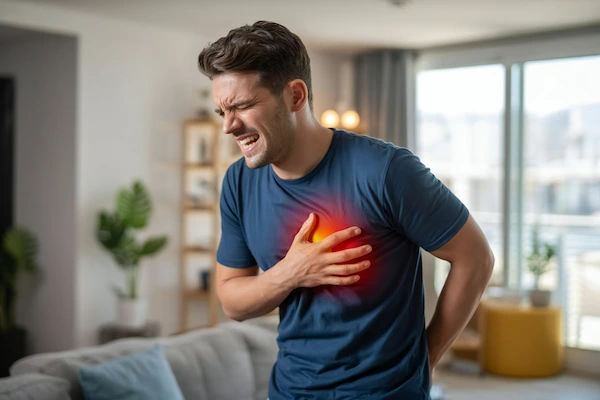
View allI'm really worried about a loved one who's at risk for a heart attack. I've been reading a bit and came across the term "loading dose." Could you explain when it's appropriate to use a loading dose for someone having a heart attack? Also, I'm curious about how it should be administered to a person. Lastly, could you walk me through the basic steps of first aid for a heart attack?
without knowledge and proper indication you are not supposed to give such medicines.


Answered by 1 Apollo Doctors
How do you stop a heart attack immediately?
Acting quickly can save lives. If given quickly after symptoms, clot-busting and artery-opening medications can stop a heart attack, and having a catheterization with a stent put in may open a closed blood vessel. The longer you wait for treatment, the more chances of survival go down and damage to the heart goes up.
Answered by 1 Apollo Doctors
I'm finding myself getting angry over really small things lately and it's been bothering me because I also have high blood pressure. I've been on Cilacar 5mg every day. Could there be any link between my medication and these mood changes, or should I be worried about something else affecting my emotions, maybe even my blood pressure? I'm really looking for advice on how to handle this.
For cold and sneezing, Montek LC may not be the best option. Consider taking antihistamines like diphenhydramine (Benadryl) or loratadine (Claritin). Pain relievers like acetaminophen (Tylenol) or ibuprofen (Advil) can also help. Saline nasal sprays or steam inhalation can provide additional relief.
Answered by 1 Apollo Doctors
Health Articles for you
View all

Disclaimer: Answers on Apollo 247 are not intended to replace your doctor advice. Always seek help of a professional doctor in case of an medical emergency or ailment.