


- female
- 60 Years
- 29/01/2025
I'm really worried because I was just told I've got a ruptured mitral valve. Is this really serious? What should I be doing to take care of myself with this condition? Would really appreciate some advice on precautions.

Answered by 1 Apollo Doctors

Mitral valve rupture is a serious condition that can lead to complications if not managed properly. Some precautions you can take include: 1. Follow your doctor's treatment plan and take medications as prescribed. 2. Avoid strenuous physical activities and get plenty of rest. 3. Monitor your symptoms regularly and report any changes to your healthcare provider. 4. Maintain a healthy diet low in sodium and saturated fats. 5. Avoid smoking and limit alcohol consumption. 6. Stay up to date with regular follow-up appointments with your cardiologist. As for medications, you may be prescribed medications such as Lisinopril (ACE inhibitor) and Furosemide (diuretic) to help manage symptoms and prevent complications.
Dr. Chandra Suggests...
Consult a Cardiologist
Answered 04/07/2025
0
0

More Cardiology Health Queries
View allI'm a 47-year-old guy who's been taking Losartan for my high blood pressure for the past three years. It used to keep things stable, but for the last couple of weeks, my blood pressure has been running high. Do you think this medication is still the right choice for me? Should I consider adjusting the dose or maybe switching to a different medication? I'm quite concerned about these changes and want to make sure I'm managing my hypertension effectively.
Considering that your blood pressure has been on the higher side despite being on Losartan for 3 years, it may be necessary to reassess your treatment plan. Losartan is a common medication for hypertension, but sometimes a change in medication or dosage adjustment may be needed for better blood pressure control. I recommend consulting your healthcare provider to discuss the possibility of increasing the dosage of Losartan or adding another medication such as Amlodipine to better manage your blood pressure. It's important to monitor your blood pressure regularly and make any necessary adjustments under the guidance of your healthcare provider.


Answered by 1 Apollo Doctors
I'm a 28-year-old guy and I've been smoking weed daily since I was nine. I don't drink at all, and I consider myself to be quite fit. But for the last 34 days, I've noticed the left side of my chest is a bit swollen and sore, although it's not painful to touch. Should I be worried about this? Could it be something serious?
It's concerning that you are experiencing swelling and soreness in the left side of your chest. This could be due to various reasons, including inflammation, muscle strain, or even a potential underlying health issue. However, given your history of smoking weed since a young age, it's important to consider the impact of smoking on your respiratory and cardiovascular health. I recommend that you stop smoking immediately and seek medical attention for a proper evaluation. In the meantime, you can take over-the-counter anti-inflammatory medication like ibuprofen (e.g., Advil) to help with the pain and swelling. However, it's crucial to consult with a healthcare professional for a thorough assessment and appropriate treatment.
Answered by 1 Apollo Doctors
I'm a bit worried because I have anemia and my ESR levels are raised. I generally do slow-paced walking covering an average of 45 km, but my resting heart rate seems to be in the range of 48 to 65. My last two ECG readings were 53 and 48. I'm not experiencing any fainting spells or dizziness, but is this okay and considered normal?
Your resting heart rate of 48-65 beats per minute is within the normal range for adults, especially for individuals who engage in regular physical activity like slow pace walking. Anemia and raised ESR (Erythrocyte Sedimentation Rate) may indicate an underlying inflammatory condition. Since you do not experience faint spells or dizziness, it is reassuring. However, it is important to further investigate the cause of anemia and raised ESR. I recommend consulting a doctor for a complete evaluation and appropriate management.
Answered by 1 Apollo Doctors
Health Articles for you
View all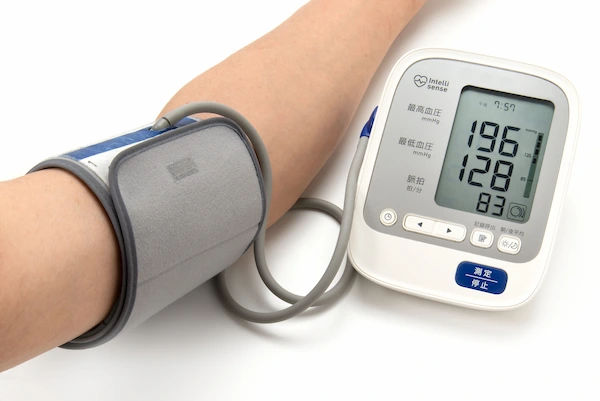



Disclaimer: Answers on Apollo 247 are not intended to replace your doctor advice. Always seek help of a professional doctor in case of an medical emergency or ailment.