


- Male
- 30 Years
- 29/01/2025
I'm really worried because I've been dealing with pudendal neuralgia symptoms for the past four years, and recently after getting my wisdom teeth removed on the right side, my lingual nerve seems irritated. I have this burning feeling and some numbness on the right side of my tongue. Is there any effective treatment for this? I've also noticed that taking methylcobalamin makes my pudendal nerve issues worse. Do you have any advice or suggestions?

Answered by 1 Apollo Doctors

consult neurologist
Dr. Ibrahim Suggests...
Consult a Neurologist
Answered 04/07/2025
0
0

More Neurology Health Queries
View allI'm a bit worried because my right ring finger starts shaking whenever I try to keep my hand straight with the fingers spread apart. I haven't had any injuries, and there's no pain. Could you help me understand what's going on?
Visit your Physician for appropriate management
read more![Doctor 1]()
![Doctor 2]()


Answered by 1 Apollo Doctors
I recently had a seizure and even though my ECG came back normal, the doctor now wants me to get a 2D echo. Its quite expensive, so I'm wondering if it's really necessary. Can you help me understand why this test might be needed?
ECHO as a prognostic test is advised
read more![Doctor 1]()
![Doctor 2]()
Answered by 1 Apollo Doctors
I've been experiencing some odd symptoms lately. There's shaking happening in parts of my left leg and left hand, and I'm not sure if it's a tremor or something else. I've also been having headaches on the left side of my brain and some pain in my chest. What's more, I've noticed unintentional weight loss and I'm dealing with a persistent cough and cold. Can you help me figure out what's going on?
yes , it might be some other disease like tuberculosis. consult a pulmonologist
read more![Doctor 1]()
![Doctor 2]()
Answered by 1 Apollo Doctors
Health Articles for you
View all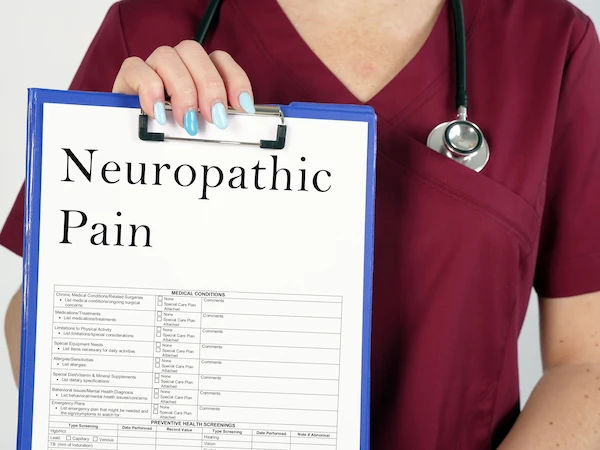


Disclaimer: Answers on Apollo 247 are not intended to replace your doctor advice. Always seek help of a professional doctor in case of an medical emergency or ailment.