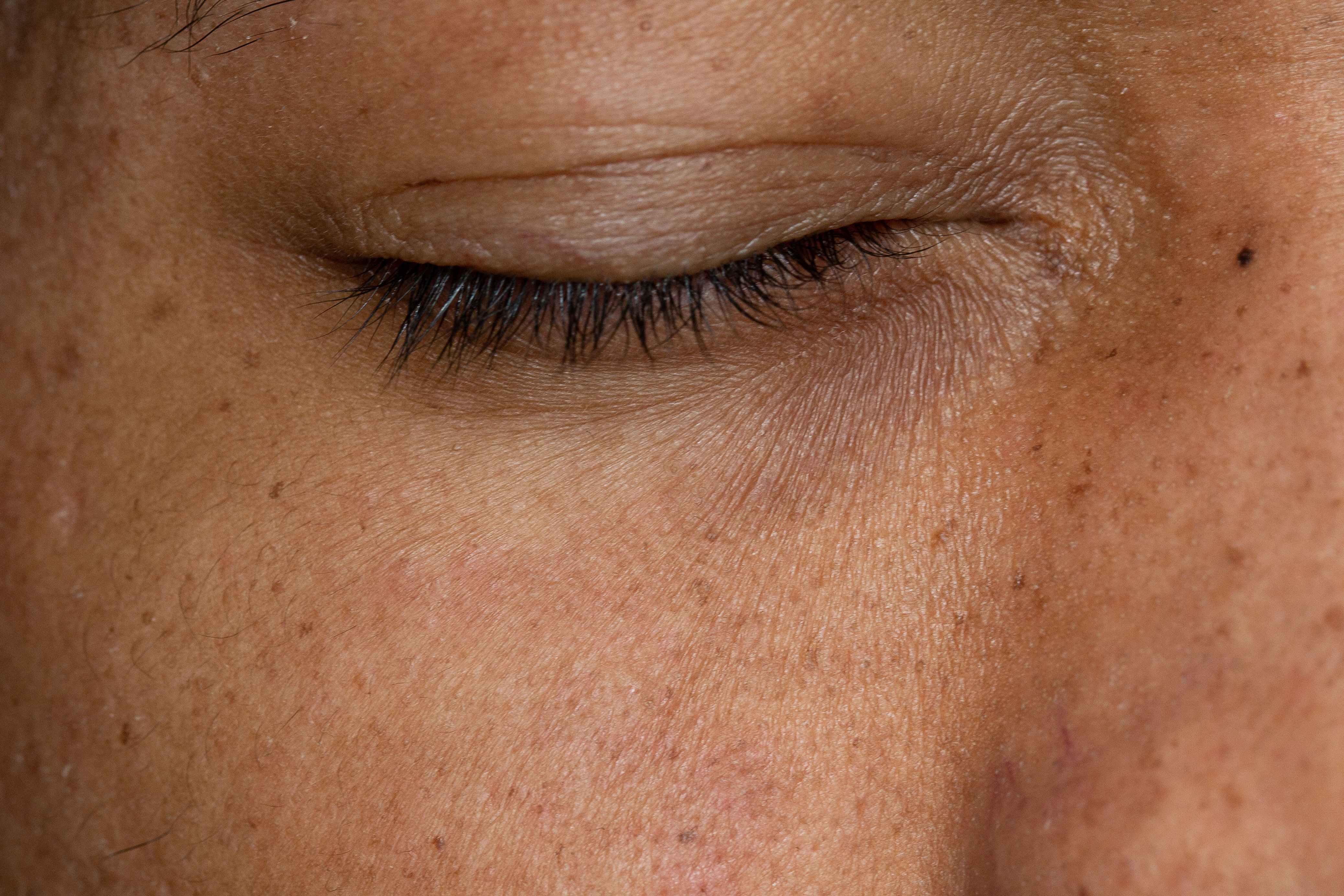
- Female
- 22 Years
- 20/02/2025
I'm trying to figure out how to use onabet sd solution on my hair. Should I put it directly on my scalp or mix it with water first? And after applying it, how long should I wait before washing my hair? I'm a bit confused about the right steps and timing for this treatment.
More Dermatology Health Queries
View allI've been experiencing a lot of itching near the joints of my hips and legs, and there's some discharge too. It feels like it's getting worse. Could this be a fungal infection? What should I do about it?
That could be Disease called Intertrigo a type of fungal infection, this needs oral and topical antifungals and personal hygiene is mainstay.
Answered by 1 Apollo Doctors
I've been struggling with a ringworm fungal infection in my groin area for the last two years, and it just seems to be getting worse. I've seen multiple dermatologists, but nothing has worked so far. I'm really frustrated and don't know what to do anymore. My inner thigh has even turned black because of this! Ive tried taking Candiforce 100mg, but still no luck. I'm at my wits' end here. Do you have any suggestions for a good medicine that might help?
I understand your frustration and concern about the persistent fungal infection in your groin region. I'm here to offer some guidance and suggestions. Causes and Symptoms Ringworm, also known as tinea cruris, is a fungal infection that thrives in warm, moist areas. Symptoms include: 1. Red, itchy, and scaly patches on the skin 2. Circular lesions with clear centers 3. Discoloration, including darkening of the skin Treatment Options Since you've already tried Candiforce 100mg, here are some alternative treatment options: 1. Topical antifungals: Clotrimazole, miconazole, or terbinafine creams can be applied directly to the affected area. 2. Oral antifungals: Fluconazole, itraconazole, or ketoconazole may be prescribed for more severe cases. 3. Combination therapy: Using a combination of topical and oral antifungals may be more effective. 4. Tea tree oil: This essential oil has antifungal properties and can be applied topically.
Answered by 1 Apollo Doctors
I'm really worried because I've been using clove oil on my gums for about 23 days now since they seemed to be receding, but I've noticed my lips are turning dark and the corners of my mouth are even darker. When I tried rubbing the skin there, it actually peeled off like a burn would. I've put some curd on it for a cooling effect, hoping it would help, but I don't know what else I should do. Can you suggest any quick remedies to fix this?
The fluid leakage from your anus, accompanied by initial pain and subsequent discharge without pain, can be caused by several factors. Here are some possible explanations: *Possible Causes* 1. *Anal fistula*: A small tunnel or tube that connects the inside of the anus to the skin around it, causing fluid discharge. 2. *Anal abscess*: A collection of pus in the tissue around the anus, which can drain and cause fluid leakage. 3. *Proctitis*: Inflammation of the rectum, which can cause fluid discharge. 4. *Gastrointestinal infection*: Infections like giardiasis or amoebiasis can cause fluid leakage from the anus. *Recommendations* 1. *Consult a doctor*: Schedule an appointment with your primary care physician or a gastroenterologist to discuss your symptoms. 2. *Physical examination*: Your doctor will perform a physical examination, including a digital rectal examination, to check for any abnormalities. 3. *Diagnostic tests*: Your doctor may recommend tests like: - Stool tests to check for infections - Imaging studies (e.g., CT scan, MRI) to visualize the anus and rectum - Anoscopy or sigmoidoscopy to examine the inside of the anus and rectum 4. *Treatment*: Based on the diagnosis, your doctor will recommend treatment, which may include antibiotics, anti-inflammatory medications, or surgical intervention. *When to Seek Immediate Attention* 1. *Severe pain*: If you experience severe pain or discomfort in the anal or rectal area. 2. *Fever*: If you have a fever above 101.5F (38.6C). 3. *Blood in stool*: If you notice blood in your stool or black tarry stools. 4. *Difficulty controlling bowel movements*: If you experience involuntary bowel movements or difficulty controlling stool.
Answered by 1 Apollo Doctors
Disclaimer: Answers on Apollo 247 are not intended to replace your doctor advice. Always seek help of a professional doctor in case of an medical emergency or ailment.