


- Female
- 29 Years
- 22/01/2025
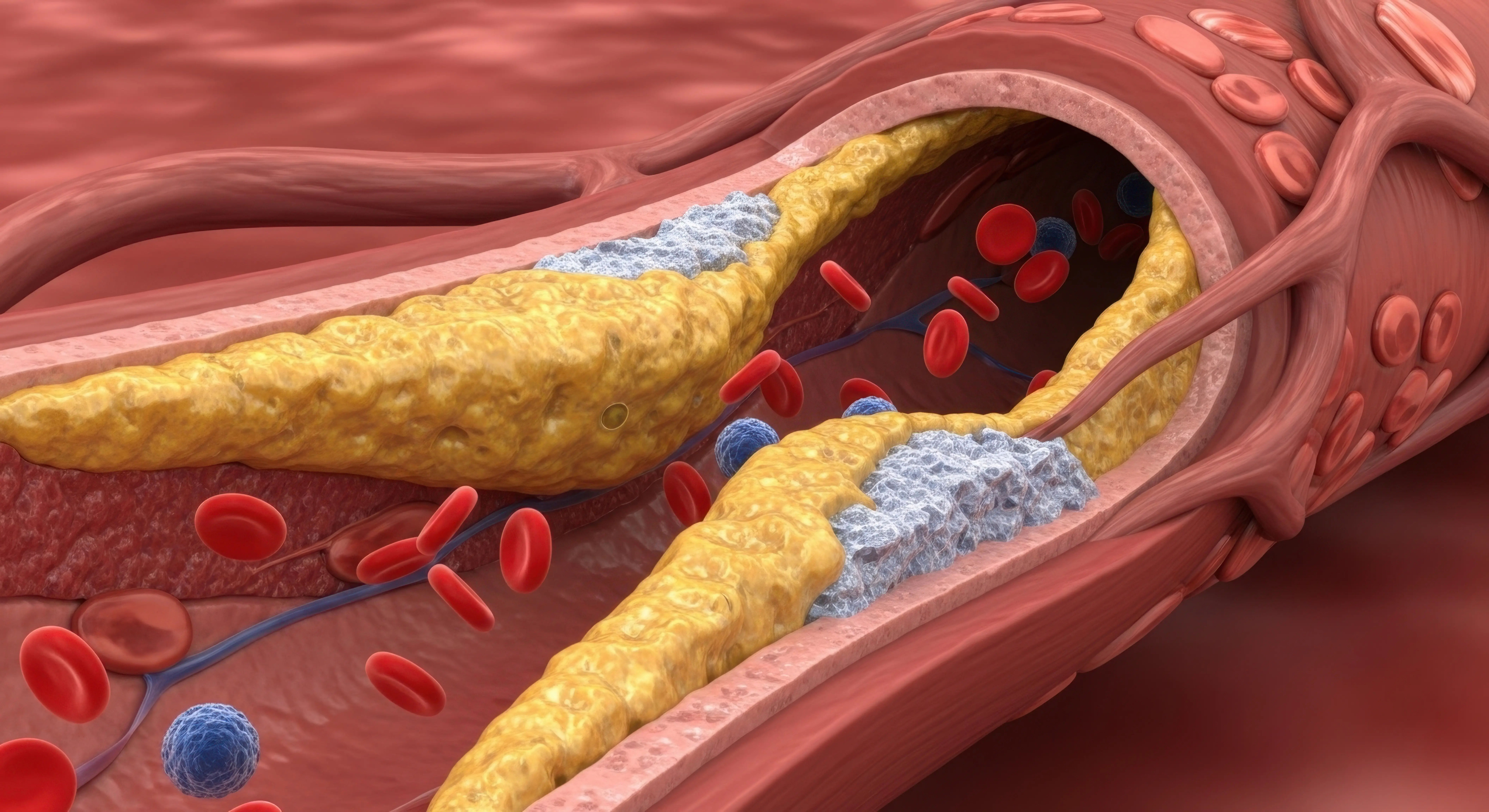
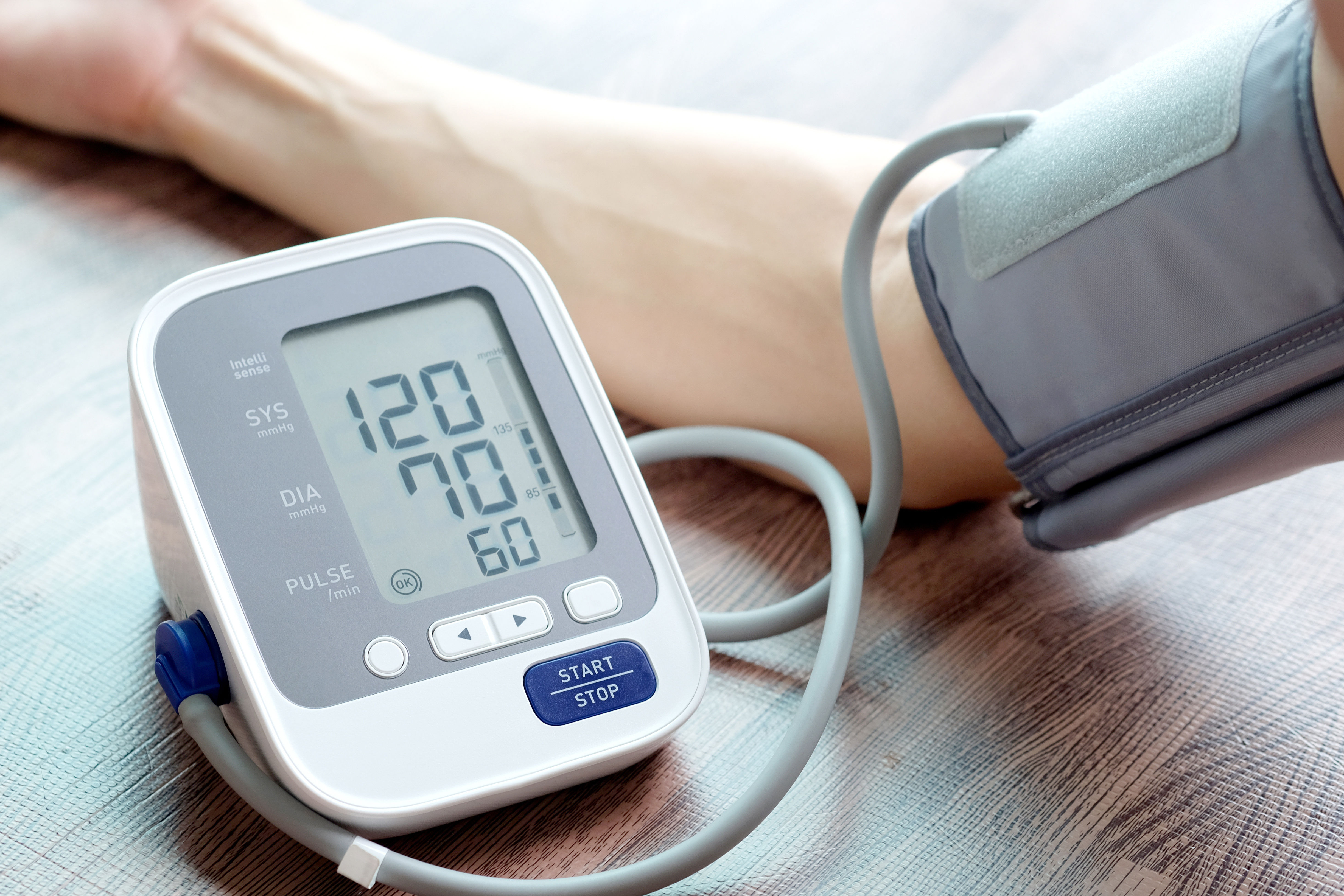
I'm trying to make sense of my ECG results, which show a prolonged QT. As a diabetic patient on Metxl 25 mg for high blood pressure, I'm worried about what this means. Could this be a sign of blocked arteries?

Answered by 1 Apollo Doctors

Prolonged QT interval on an ECG can be a sign of an abnormal heart rhythm, which can increase the risk of fainting, seizures, or sudden death. In diabetic patients with high blood pressure, it is important to monitor the QT interval closely as certain medications can further prolong it. Metxl 25 mg is likely Metoprolol, which is a beta-blocker commonly used to treat high blood pressure. It is important to discuss the prolonged QT interval with your doctor, as they may consider adjusting your medication or prescribing additional treatments to manage this condition. Prolonged QT interval is not typically a direct symptom of artery blockages, but it is important to address this issue to prevent any potential complications. Regular follow-up with your healthcare provider is recommended to monitor your heart health and adjust your treatment plan accordingly.
Dr. Ibrahim Suggests...
Consult a Cardiologist
Answered 04/07/2025
0
0

More Cardiology Health Queries
View allI recently got my blood test results back, and I'm a bit worried. They showed that I have high blood pressure and elevated liver enzymes, with my SGPT at 57 UL and SGOT at 50 UL. My doctor prescribed Atoris for the blood pressure, but I heard it might not be good for people with high SGPT and SGOT levels. Could you let me know if that's true and what I should do?
Visit Physician for evaluation and appropriate management


Answered by 1 Apollo Doctors
I'm really worried because my doctor said I have IRBBB on my ECG and that it's nothing to be concerned about. I'm 40 now and was fit until my early 30s. Will this affect my future life? I'm feeling really tense about it.
Having incomplete right bundle branch block (IRBBB) on your ECG is usually not a cause for concern, especially if your doctor has reassured you about it. It is often considered a benign finding. However, if you are feeling tense and anxious about it, it's important to address your concerns. To help manage your anxiety, you can consider relaxation techniques, exercise, and maintaining a healthy lifestyle. If your anxiety persists, you may also speak to your doctor about it. In terms of your future life, IRBBB itself typically does not have a significant impact on your overall health or longevity. As long as you continue to follow a healthy lifestyle and attend regular check-ups with your doctor, you should be able to maintain your well-being. If you have any further concerns or symptoms, it's always best to discuss them with your healthcare provider for personalized advice and guidance.
Answered by 1 Apollo Doctors
I'm a 24-year-old woman with a weight of 37kg, and my heartbeat is constantly around 134bpm, even when I'm resting. For the last 5 years, my heart rate usually stays in the range of 120 to 130. I dont have any other health issues and havent felt any discomfort, but I'm worried this might be dangerous. Do I need surgery, or can this be treated with medicines? Does homeopathy have any solutions? I really want to avoid surgery if possible. Can you help me figure this out?
Your heart rate of 134bpm is slightly elevated, but since you have been experiencing heart rates in the range of 120 to 130 bpm at rest for the past 5 years without any other symptoms, it may not necessarily indicate a serious issue. Surgery is not typically needed for a slightly elevated heart rate. Medications can be used to help control heart rate if necessary. In your case, a beta-blocker medication such as Metoprolol can be prescribed to help lower your heart rate and manage any symptoms you may be experiencing. The usual starting dose for Metoprolol is 25mg to be taken once daily. It is important to consult with a healthcare professional to determine the most appropriate treatment plan for you.
Answered by 1 Apollo Doctors
Health Articles for you
View all


Disclaimer: Answers on Apollo 247 are not intended to replace your doctor advice. Always seek help of a professional doctor in case of an medical emergency or ailment.