


- male
- 50 Years
- 22/01/2025
I'm trying to understand the difference between the results of my echo and my CT scan regarding my heart condition. My echo shows mild concentric LVH with lvpwdd 12.2 and ivs d 12, and my LVEF is at 73. But my CT scan, which was a 128-slice MDCT of the heart, suggests normal LVH and a normal LV cavity with normal thickness, having a zero calcium score. Also, my TMT came out negative for any chest pain-related issues. I'm kind of confused here. Which result should I rely on when it comes to the left ventricular hypertrophy? Which is considered more accurate or should I be concerned about something else here?

Answered by 1 Apollo Doctors

Both CT angiography and echocardiogram are valuable tools for assessing left ventricular hypertrophy (LVH), but they provide different types of information. In your case, since the CT angiography showed normal left ventricular cavity with normal thickness and normal coronary arteries, and zero calcium score, it indicates a healthy heart without any structural abnormalities or blockages. On the other hand, the echocardiogram reported mild concentric LVH with specific measurements of left ventricular posterior wall thickness (LVPWd) and interventricular septum thickness (IVSd). Given the discrepancy between the two imaging modalities, it is important to consider the clinical context and overall picture. In this scenario, the findings from the CT angiography showing a normal heart structure and function, along with a negative TMT (treadmill test), are more indicative of a healthy heart. Therefore, the CT angiography results are more reliable in this case. To address the chest pain related problem, you can consider taking medications like Amlodipine (5mg) for blood pressure control and Metoprolol (25mg) for heart rate control. Additionally, Nitroglycerin sublingual tablets can be used for chest pain relief as needed. It is also important to follow up with your healthcare provider for further evaluation and management.
Dr. Dr Khaleel Suggests...
Consult a Cardiologist
Answered 04/07/2025
0
0

More Cardiology Health Queries
View allI'm experiencing some pain right in the middle of my chest, and I was initially thinking it was because of a cough, but now I'm not so sure. Should I be worried? It's really concerning, and I'd like to understand what might be causing this if it's not related to coughing. Could it be something more serious? Any advice would be really helpful.
gastritis rule out chest pain do ECG


Answered by 1 Apollo Doctors
My recent CRP levels came back high, and I'm pretty worried about what that means for my health. Is there a chance this could lead to something like a heart attack or even cancer? I'm not sure what steps I should take next. Could you give me some advice on how to handle this?
Elevated CRP levels can indicate inflammation in the body, but it is not specific to any particular condition such as cardiac arrest or cancer. It is important to consult with a healthcare provider for a proper evaluation and diagnosis. In the meantime, you can consider taking over-the-counter pain relievers such as acetaminophen (Tylenol) to help with any discomfort. Make sure to follow the recommended dosage instructions on the packaging.
Answered by 1 Apollo Doctors
Is chicken good for high blood pressure?
Choose fish, lean cuts of meat, skinless poultry and low-fat milk instead.If you eat beef, chicken, or fish that has been broiled or grilled at high temperatures, you may be increasing the likelihood that you'll develop high blood pressure,
Answered by 1 Apollo Doctors
Health Articles for you
View all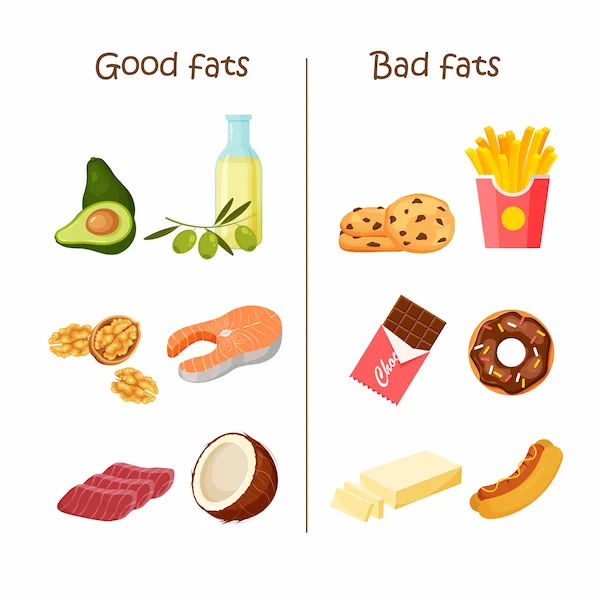


Disclaimer: Answers on Apollo 247 are not intended to replace your doctor advice. Always seek help of a professional doctor in case of an medical emergency or ailment.