



- female
- 30 Years
- 29/01/2025
I'm wondering if it's normal for my heart rate to go up to 150-160 when I'm doing cardio at the gym or climbing stairs, and then drop to around 110 when I go for a walk. I've had several ECGs done and just had an echo two days ago, and everything seems fine. My resting heart rate usually falls between 55 and 100. Should I be concerned about these numbers?

Answered by 1 Apollo Doctors

It is normal for your heart rate to increase during physical activities like gym cardio, climbing stairs, and walking. Your heart rate of 150-160 during intense exercise and 110 during walking is within a normal range for physical exertion. Since your ECG and echo results are normal, there is likely no underlying heart condition causing these heart rate variations. It is important to stay hydrated and listen to your body during exercise. If you experience any chest pain, dizziness, or fainting, please stop the activity and seek medical attention.
Dr. Ranjith Suggests...
Consult a Cardiologist
Answered 04/07/2025
0
0

More Cardiology Health Queries
View allI'm wondering if nebicard 2.5 could cause erectile dysfunction or maybe even affect sperm quality. I've heard that beta blockers might lead to ED, so I'm a bit worried. Could you shed some light on this?
Visit your Physician for appropriate management


Answered by 1 Apollo Doctors
I've noticed my SPO2 levels usually range from 96 to 98, but sometimes they drop to 90 before going back up to 96. I'm not sure which reading I should pay attention to. Also, my BPM is consistently over 100. Meanwhile, my mom, who's 51, has a normal BPM between 72 and 80. I'm worried if these symptoms could be related to any heart or lung issues, especially since I haven't had COVID. Could you give me some advice on this?
overthinking
Answered by 1 Apollo Doctors
I'm wondering if a blood pressure reading of 9354 is considered low? I've been feeling some weakness and dizziness at times, and I'm not sure if it's related. How would one diagnose low blood pressure?
Visit your doctor for evaluation and appropriate management
Answered by 1 Apollo Doctors
Health Articles for you
View all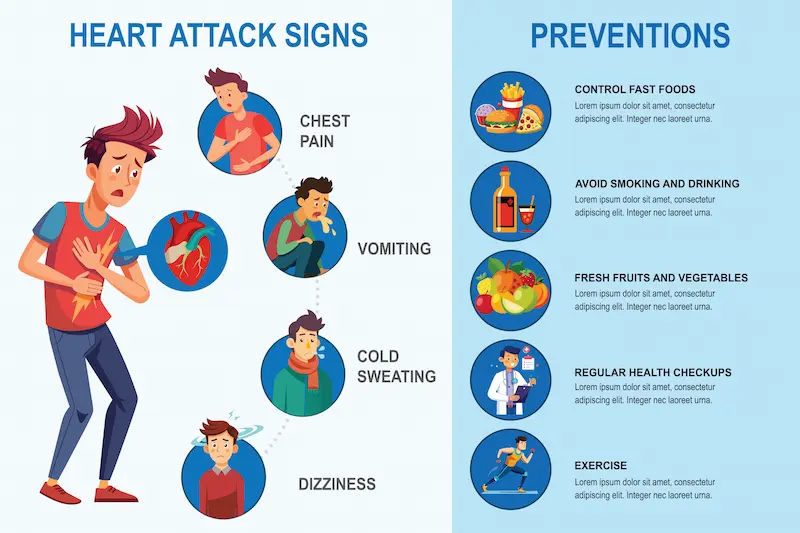



Disclaimer: Answers on Apollo 247 are not intended to replace your doctor advice. Always seek help of a professional doctor in case of an medical emergency or ailment.