


- Male
- 22 Years
- 29/01/2025
I've been coughing up blood for the past couple of nights, and it's got me really worried. It's not a lot, just about a teaspoon, and the blood is bright red with no mucus. Since this started, I've been feeling a burning sensation in my throat. I've been smoking for the past four years, but otherwise, I don't have any medical issues. I'm really tense about what's happening. Could you give me some advice on what might be causing this?

Answered by 1 Apollo Doctors

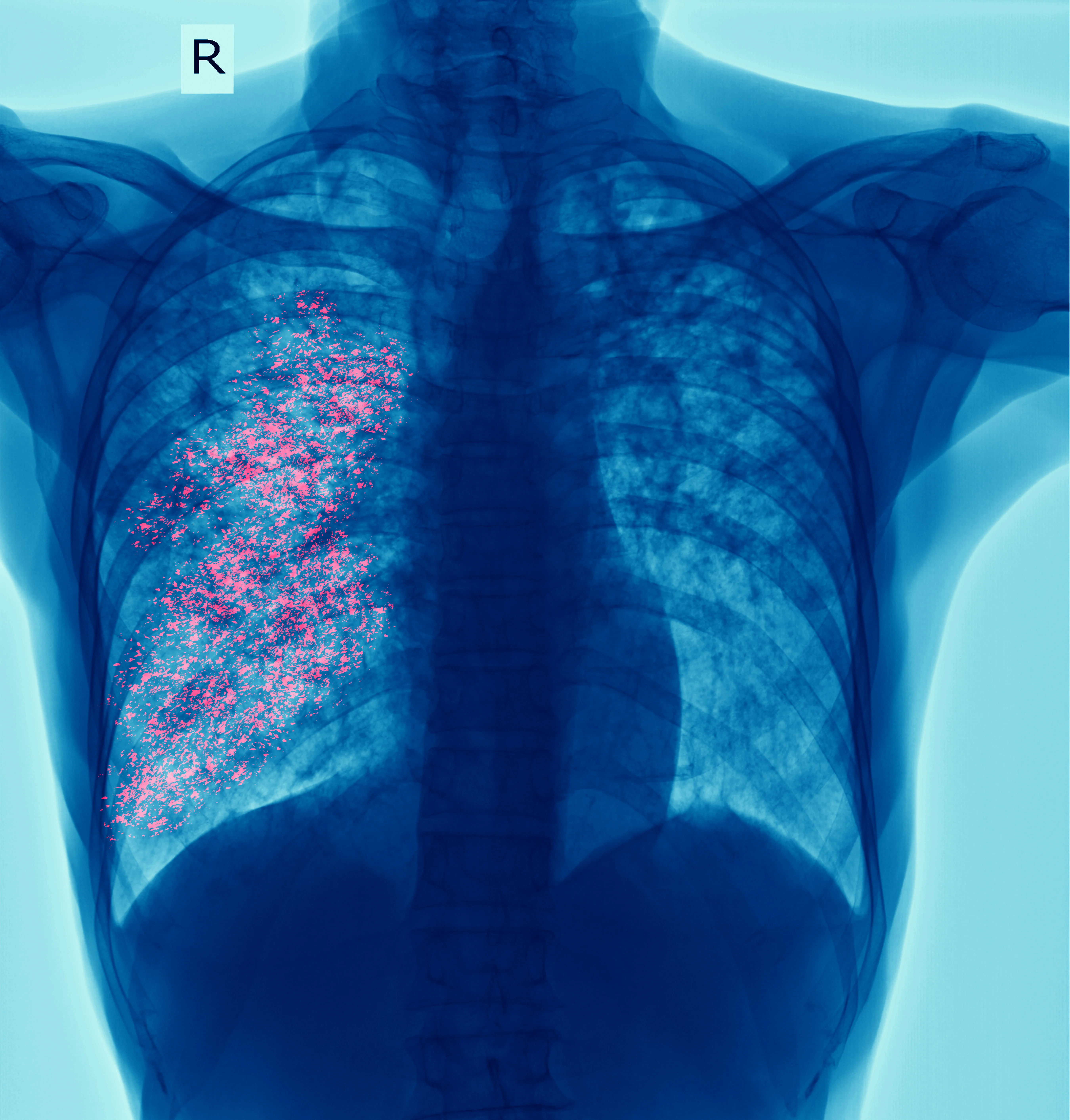
it can be due to chest infection so get a chest xray done
Dr. Dhankecha Suggests...
Consult a Pulmonology Respiratory Medicine Specialist
Answered 04/07/2025
0
0

More Pulmonology/ Respiratory Medicine Health Queries
View allI'm a bit concerned and would like some advice. I had COVID back in May and recovered at home with a mild case of lung pneumonia. I was on blood thinners at the time but stopped after my D-Dimer results returned to normal. Since recovering, I haven't had a cough or cold, but I sometimes notice black streaks in my phlegm, usually just once in the morning. I already spoke with a pulmonologist who told me to get a CBC and chest X-ray; everything came back normal. He said a CT isn't needed unless I start coughing, which I haven't. Is it common to have these black streaks in phlegm after COVID? At what point should I be concerned, and do you think I need any further tests? Here's a picture for reference. What do you think?
The presence of black streaks in phlegm, especially in the morning, can be a common post-COVID-19 symptom, possibly due to lingering inflammation, mucus, or fungal growth, and since your CBC, chest X-ray, and previous D-Dimer tests are normal, your pulmonologist's advice to monitor and not pursue further testing unless symptoms worsen or new ones develop is reasonable; however, if you experience increased frequency, thickness, or color change of the phlegm, difficulty breathing, chest pain, or fever, seek immediate medical attention to rule out potential complications like pulmonary embolism, bronchiectasis, or opportunistic infections.


Answered by 1 Apollo Doctors
I'm trying to figure out if I might have asthma. In the mornings, my peak flow is around 450, but it jumps to 600 after I take two puffs of duolin. The chest X-ray and CT scan look normal, but the PFT results show early small airway obstruction with a PEF of 2575 or PEFR pred at 70. They also indicated mild obstruction with an FEV1FVC of 95 and FVC pred at 80. What does all this mean? I'm really not sure and could use some guidance.
Spirometry and pulmonary function tests are advised to the patient.
Answered by 1 Apollo Doctors
I'm really worried about my sister. Shes been having chest pain and her X-ray came back showing some inhomogeneous opacity in the lower zone. It mentions something about infiltration. Could you explain what this means and what our next steps should be? What can we do to resolve this?
The X-ray report indicating inhomogeneous opacity in the lower zone with infiltration suggests a possible pulmonary infection or inflammation; next steps should include: consulting a pulmonologist or chest specialist, undergoing a CT scan or HRCT for better imaging, and getting blood tests (CBC, ESR, CRP) to confirm the diagnosis and guide treatment, which may involve antibiotics, anti-inflammatory medications, or further investigations.
Answered by 1 Apollo Doctors
Health Articles for you
View all


Disclaimer: Answers on Apollo 247 are not intended to replace your doctor advice. Always seek help of a professional doctor in case of an medical emergency or ailment.