


- male
- 50 Years
- 20/02/2025
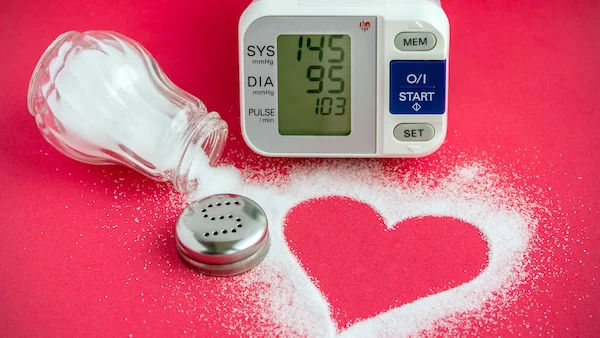
I've been dealing with high blood pressure around 150110 for the past month, and I'm really worried about it. Can you advise me on what steps I should take to get it under control? I could really use some guidance.

Answered by 1 Apollo Doctors

You have to start suitable anti hypertensives,visit Physician for further evaluation and appropriate management
Dr. Kareemulla Suggests...
Consult a Cardiologist
Answered 04/07/2025
0
0

More Cardiology Health Queries
View allI'm really concerned about this ongoing chest pain I've been experiencing along with pain in my left arm. It's been happening quite a lot over the past eight months. I'm trying to figure out what's really going on. Any ideas what could be causing this?
This could be a sign of a heart condition, specifically angina or a heart attack. It is important to seek immediate medical attention. In the meantime, you can take aspirin (e.g. Bayer Aspirin) 325mg to help reduce the risk of blood clot formation.


Answered by 1 Apollo Doctors
I've been checking my blood pressure at home, and while most of the readings are pretty normal around 12577, I've noticed that sometimes my resting pulse rate jumps up to 95. Should I be worried about this?
It is NORMAL.
Answered by 1 Apollo Doctors
I have a bicuspid aortic valve with moderate to severe AR and a mildly dilated LV but preserved EF of 60. My BP is 140/80. Is it safe for me to undergo gallbladder microsurgery with these heart conditions?
Yes,patient cand undergo the procedure.
Answered by 1 Apollo Doctors
Health Articles for you
View all


_0.webp)
Disclaimer: Answers on Apollo 247 are not intended to replace your doctor advice. Always seek help of a professional doctor in case of an medical emergency or ailment.