


- male
- 30 Years
- 22/01/2025
I've been dealing with itchy testicles for a year now, and it's really getting worse. I make sure to clean my genital area daily, but it tends to be dry. I've tried everythingaloe moisturizers, Vera gel, soframycin oilbut nothing seems to work for long. I get some temporary relief, but the itching is really bad at midnight, early morning, or after going to the office gym. Can you suggest any medicine or ointment that might help with this?

Answered by 1 Apollo Doctors

For persistent testicular itchiness, consider consulting a dermatologist or urologist to rule out underlying conditions like eczema, psoriasis, or fungal infections; in the meantime, try applying a hydrocortisone cream (1%) or an antifungal cream like clotrimazole, and maintain good genital hygiene, avoiding harsh soaps and wearing breathable clothing, and if the issue persists, your doctor may prescribe stronger topical or oral medications.
Dr. Dr Khaleel Suggests...
Consult a Dermatologist
Answered 04/07/2025
0
0

More Dermatology Health Queries
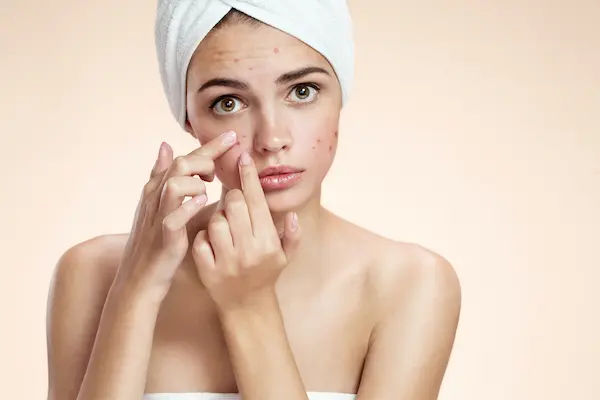
View allI've been trying to deal with my whiteheads and ended up squeezing my nose really hard. Now, a couple of days later, I've got these broken capillaries and pigmented skin. What topical creams or treatments would you suggest to help with this?
You can use facelin gel once daily during bed tiem if its becoming worse visit Dermatologist for appropriate management


Answered by 1 Apollo Doctors
I'm using DermaDew Bact soap to help with my acne. I'm wondering if using it might somehow slow down or interfere with my beard growth. Is that something I should be concerned about, or is it generally safe to use without affecting facial hair development?
DermaDew Bact soap is an antibacterial soap used to control acne. _Impact on Beard Growth_ 1. _No direct effect_: DermaDew Bact soap is unlikely to directly inhibit beard growth. 2. _Indirect effect_: The soap's antibacterial properties might reduce inflammation and prevent ingrown hairs, potentially promoting a healthier beard growth environment. _Key Ingredients_ 1. _Benzoyl peroxide_ (2.5%): Antibacterial agent that reduces acne-causing bacteria. 2. _Triclosan_: Antibacterial agent that helps control bacterial growth. _Precautions_ 1. _Use as directed_: Follow the product instructions for use. 2. _Avoid overuse_: Excessive use can lead to dryness and irritation. 3. _Patch test_: Perform a patch test before using the soap on your face or beard area.
Answered by 1 Apollo Doctors
I'm thinking about using Havglo cream for skin lightening, but I'm really curious about how exactly I should be applying it. Also, I'm a bit worried about whether there are any side effects I should be aware of. Can you provide some guidance on this?
yes
Answered by 1 Apollo Doctors
Health Articles for you
View all
Disclaimer: Answers on Apollo 247 are not intended to replace your doctor advice. Always seek help of a professional doctor in case of an medical emergency or ailment.