


- Female
- 21 Years
- 22/01/2025
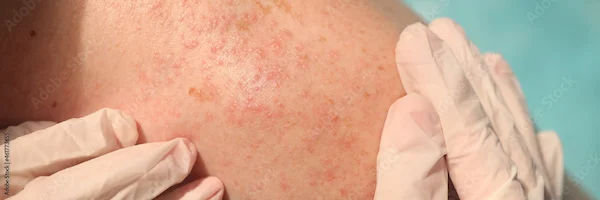
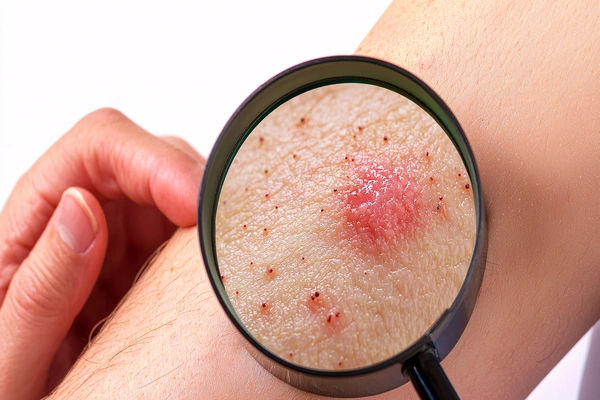
I've been dealing with a pretty serious skin allergy lately, and it's been driving me crazy with all the itching. Got these small red pimples popping up on my hands and all over my body. It's like never-ending itching and rashes, and it sucks. I've already tried taking Avil 50, like about six tablets, one each day, hoping it might be some kind of allergy thing, but nothing's really changed. Could you suggest something that might actually help?

Answered by 1 Apollo Doctors

Sounds like you are experiencing a severe allergic reaction. I recommend you take a combination of Cetirizine (brand name Zyrtec) 10mg once daily and Hydrocortisone cream for topical application on the affected areas twice a day. Additionally, you can take Ranitidine (brand name Zantac) 150mg twice daily to help reduce the allergic response. Make sure to avoid any known triggers and keep the affected areas clean and moisturized.
Dr. Shubham Suggests...
Consult a Dermatologist
Answered 04/07/2025
0
0

More Dermatology Health Queries
View allI've been dealing with dandruff, hair fall, and a flaky scalp, and after seeing the doctor today, he prescribed KEVON ZIP lotion. Now I'm confused because he told me to apply it two hours before washing my hair, but when I got home and read the directions, it says to use it on wet hair for only 3 minutes. So, which method is actually correct? He also recommended Fidelia Shampoo and BTN ultra tablets for a 30-day course. Just wondering if this treatment plan sounds right to you, or if I should consider any other options?
-Its best to follow your doctors advice and apply KEVON ZIP lotion 2 hours before your head bath. For the shampoo, use Fidelia as directed, and take the BTN Ultra tablets for 30 days. Always follow the prescribed instructions for optimal results.


Answered by 1 Apollo Doctors
I've been using Lumaglo for about three weeks, and now my skin has turned red. Plus, it's started peeling off in small layers, leaving these white patches. It's almost like the affected areas are turning black too. I'm really worried about what's happening. Could you please help me understand what's going on and what I should do about it?
Your history is inappropriate,and this needs physical examination,visit Dermatologist for evaluation and appropriate management
Answered by 1 Apollo Doctors
I'm considering getting another chemical peel for my acne because a doctor recommended it and also suggested using a skin lightening cream. I'm curious if it's okay to go ahead with both treatments. Would you say that using the skin whitening cream and continuing with the chemical peel is a safe and effective plan, or should I be concerned about any side effects or issues? What do you think I should do?
-Yes, you can continue with the chemical peels and skin-lightening cream if recommended by your doctor. Follow their advice closely, use sunscreen daily, and monitor your skin's response to avoid irritation.
Answered by 1 Apollo Doctors
Health Articles for you
View all

Disclaimer: Answers on Apollo 247 are not intended to replace your doctor advice. Always seek help of a professional doctor in case of an medical emergency or ailment.