


- Female
- 25 Years
- 07/02/2025
I've been dealing with swelling on the left side of my neck for about a month now. My doctor diagnosed it as lymph node tuberculosis and gave me some medication to treat it. I've been following the treatment plan for 25 days, but the swelling seems to have increased rather than decreased. Why would it get bigger while I'm on medication? Could it be spreading to other parts of my body?

Answered by 1 Apollo Doctors

yes it can be transfered to other body parts. continue medicines
Dr. Anshul Suggests...
Consult a Infectious Disease specialist
Answered 04/07/2025
0
0

More Infectious Disease Health Queries
View allHow did Ebola start?
Based on nature of virus , it is belived tha virus is animal borne . The outbreak was traced back to a 2 year child infected in guinea in dec 2013


Answered by 1 Apollo Doctors
I got my Widal test results back and I'm kinda worried about them. The report says: Salmonella typhi O Antigen 180, Salmonella typhi H Antigen 180, Salmonella paratyphi AH Antigen 120, and Salmonella paratyphi Bh Antigen 120. Can you tell me if this means I have typhoid?
Based on your Widal test results, the elevated titers of Salmonella typhi O and H antigens suggest a possible typhoid fever infection. I recommend starting a course of antibiotics such as Ciprofloxacin 500mg twice daily for 7-10 days to treat the infection. Additionally, ensure adequate hydration and rest for a speedy recovery. Consult with your physician before starting any medication.
Answered by 1 Apollo Doctors
I work in a medical lab and often deal with blood samples from patients. Sometimes blood accidentally splashes on my face and even into my eyes. I know that the eyes have mucous membranesso does that mean HIV can be transmitted this way? Could you explain if the eye can be a transmission route for HIV?
1. _Protein-rich foods*: Lentils, beans, and groundnuts are excellent sources of protein and iron. 2. _Fruits and vegetables*: Apple and spinach juice provide essential vitamins and minerals. 3. _Dairy*: Milk is a good source of calcium, vitamin D, and protein. _Areas for Improvement_ 1. _Increase iron-rich foods*: Add more iron-rich foods like leafy greens (spinach, kale), beets, and fortified cereals. 2. _Vitamin C-rich foods*: Include more vitamin C-rich foods like citrus fruits, bell peppers, and tomatoes to enhance iron absorption. 3. _Folic acid-rich foods*: Add folic acid-rich foods like dark leafy greens, legumes, and fortified cereals. _Expected Time to Reach Normal Hemoglobin Levels_ 1. _Gradual improvement*: With a balanced diet and supplements (if recommended), hemoglobin levels can improve gradually over 2-3 months. 2. _Regular monitoring*: Regular blood tests will help track progress and adjust the diet or treatment plan as needed. _Injections to Improve Hemoglobin Levels_ 1. _Not recommended*: Injections are usually reserved for severe iron deficiency anemia or when oral supplements are not effective. 2. _Consult a doctor*: Discuss your wife's specific situation with her doctor to determine the best course of treatment.
Answered by 1 Apollo Doctors
Health Articles for you
View all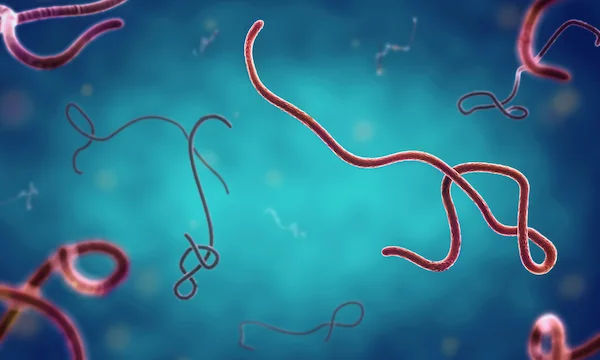
.webp)
Disclaimer: Answers on Apollo 247 are not intended to replace your doctor advice. Always seek help of a professional doctor in case of an medical emergency or ailment.