- male
- 50 Years
- 22/01/2025
I've been experiencing some strong side effects like muscle pain, dizziness, and shaky hands and legs from taking Rozavel and Pivasta. Are there any realistic alternatives or supplements in the Indian market that could lower my LDL by around 15-20% without serious side effects? I've heard about things like Coeveleselam, but I'd love to know more.
Answered by 1 Apollo Doctors
U can try exercise and diet control with low dose artorvastatin
Dr. Mubarak Suggests...
Consult a Cardiologist
Answered 04/07/2025
0
0

More Cardiology Health Queries
View allI'm a bit worried about my heart health after my MI last January 2018. I was hospitalized and prescribed Elaxim, but no surgeries or stent were necessary. For the past year and a half, I've been taking Clavix AS 150 and Tonact 80mg, but recently I've been having a pricking pain in my chest and sometimes muscle cramps. I saw another cardiologist who suggested switching to Remetor CV and Nuroking D3 since my vitamin D and B12 levels are low. Are these new meds going to be effective for me? How does my heart compare to someone with a normal heart now? I also did a TMT a month ago and walked for 14.9 minutes. What should I be careful about? I drink occasionally, like once every 15 days, is that okay? I dont smoke. Also, I get anxious trying to tell apart a stomach pain from a heart pain since I panic every time I feel those chest pains. What should I look out for?
The medications Remetor CV and Nuroking D3 prescribed by your cardiologist are appropriate for your condition, especially considering your low vitamin D and B12 levels. Remetor CV contains a combination of medications to help manage your heart health, and Nuroking D3 will help improve your vitamin D levels. It is essential to follow your doctor's advice and take the shots as recommended to address your nutritional deficiencies. In comparison to a normal person's heart, your heart health may require closer monitoring and specific medications to manage the aftermath of a heart attack. It is crucial to continue taking your prescribed medications, follow a heart-healthy diet, engage in regular physical activity as tolerated, and attend regular follow-up appointments with your cardiologist. Regarding your lifestyle, it is generally safe to consume alcohol occasionally, as long as it is in moderation and does not interfere with your medications or overall health. However, it is advisable to limit alcohol intake and be mindful of any adverse effects it may have on your heart health. To differentiate between gastric pain and heart pain, it is essential to pay attention to the characteristics of the pain. Heart-related chest pain is often described as pressure, tightness, or squeezing sensation that may radiate to the arms, neck, jaw, or back. It is usually triggered by physical exertion or emotional stress and may be accompanied by shortness of breath, sweating, nausea, or lightheadedness. Gastric pain, on the other hand, is typically associated with digestion, may worsen after meals, and can be accompanied by symptoms like bloating, burping, or acid reflux. If you experience chest pain and are unsure of the cause, it is always best to seek medical attention promptly to rule out any serious cardiac issues.
Answered by 1 Apollo Doctors
I've been diagnosed with an incomplete right bundle branch block in my ECG report. Is this something I should be worried about? Is it a heart disorder or a serious issue? What steps should I take next?
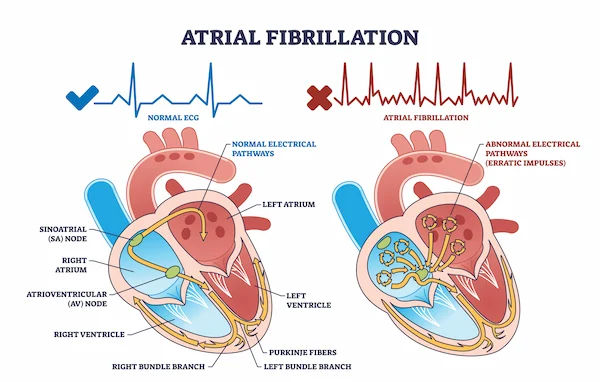
Incomplete right bundle branch block is a condition where the electrical impulses in the heart are delayed as they pass through the right bundle branch. It is usually not a serious problem on its own, but it can sometimes indicate underlying heart conditions. It is important to follow up with your healthcare provider for further evaluation to determine the underlying cause and appropriate management. In most cases, no specific treatment is needed for incomplete right bundle branch block.
Answered by 1 Apollo Doctors
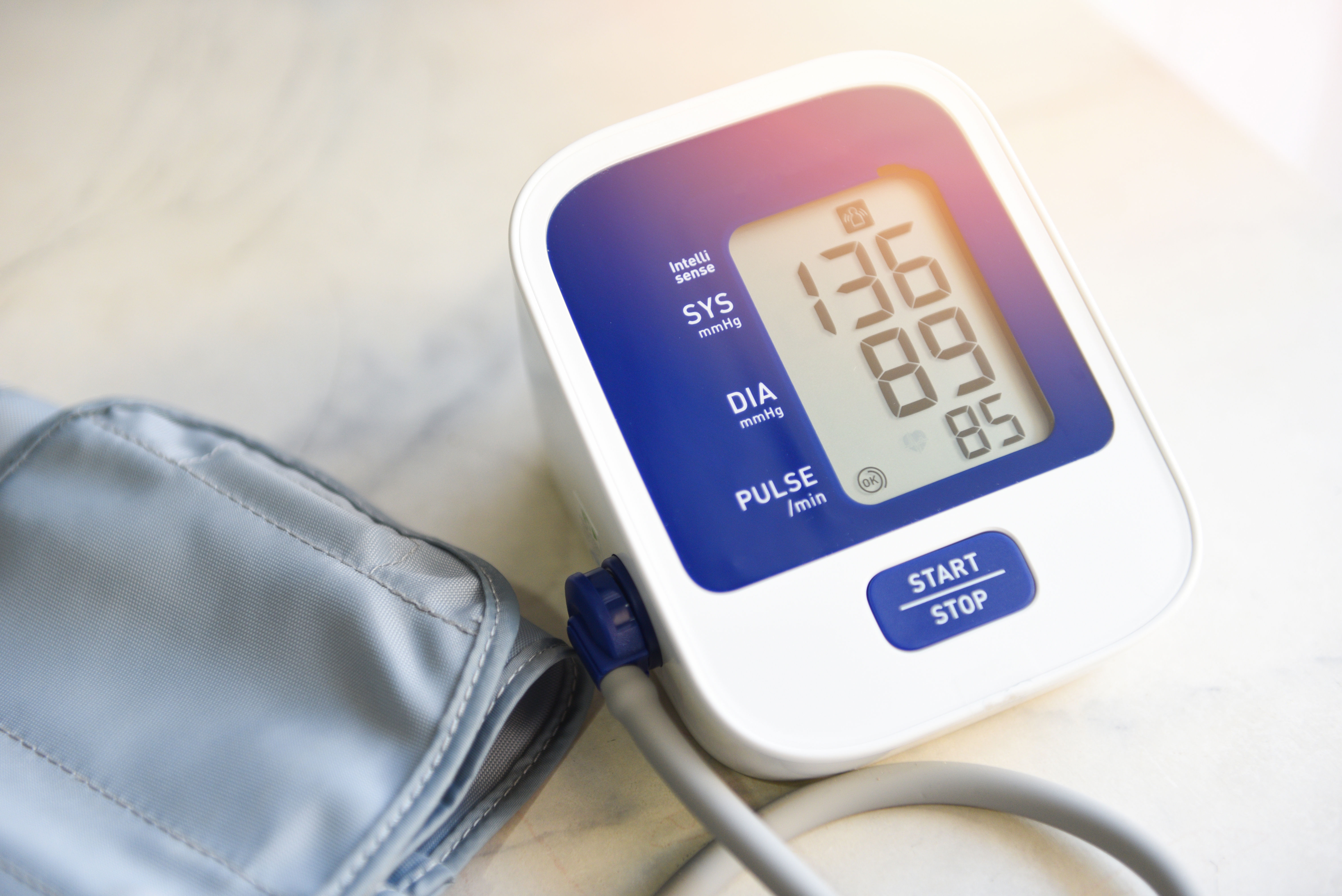
I've noticed my blood pressure is usually around 10462 during the day, but when I'm resting or sleeping, it drops into the 9050s range. I've been keeping an eye on it for about a month and the pattern seems pretty consistent. I had an echocardiogram earlier this year, and it showed I have a diastolic relaxation abnormality. I'm wondering if this could be causing my low blood pressure? Could it lead to more heart-related complications, or is it normal for blood pressure to drop like this at night? I've been feeling really fatigued and low on energy no matter how much I sleep, and it's a bit worrying. What do you think?
Low blood pressure during rest or sleep can be influenced by various factors, including underlying conditions such as diastolic dysfunction. In your case, the diastolic relaxation abnormality noted in your echocardiography may contribute to the lower blood pressure readings, especially during periods of rest. This can potentially lead to symptoms of fatigue and lack of energy. To address this issue, it is important to manage the underlying diastolic dysfunction. In addition, ensuring an adequate intake of fluids and electrolytes can help stabilize blood pressure. If symptoms persist, medications such as Midodrine or Fludrocortisone may be prescribed to raise blood pressure levels, especially during periods of rest or sleep. However, it is crucial to consult with your healthcare provider for a proper evaluation and personalized treatment plan.
Answered by 1 Apollo Doctors
Disclaimer: Answers on Apollo 247 are not intended to replace your doctor advice. Always seek help of a professional doctor in case of an medical emergency or ailment.