- Male
- 37 Years
- 07/02/2025
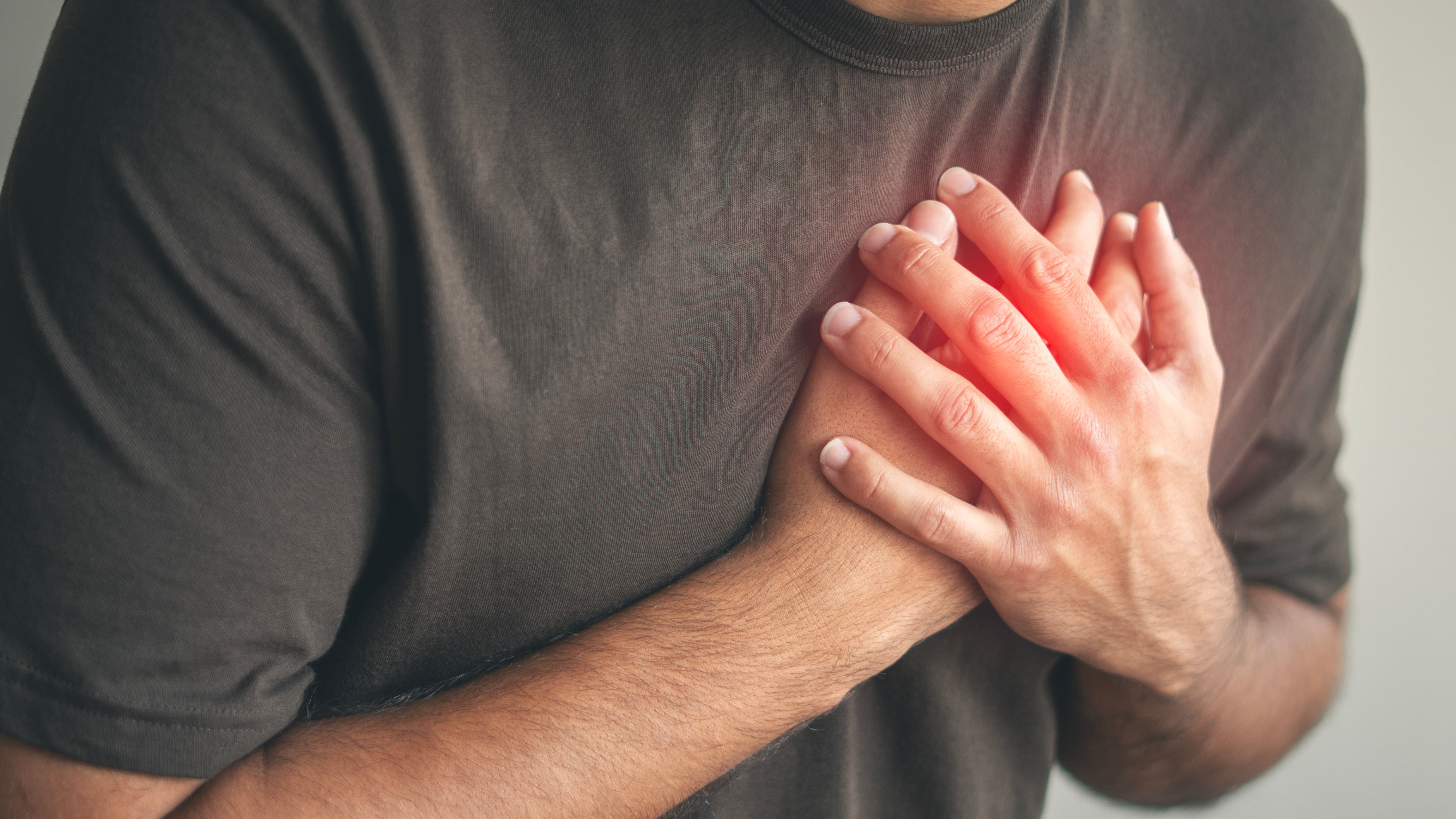
I've been having this burning sensation on the left side of my chest for the last three months. It's not super painful, more like an irritation, but sometimes it feels like pinpricks and can also move to my armpit and back. I've had a 2D Echo and two TMTs, and everything came back normal, but I'm still feeling this discomfort. Should I be worried about this? Do you think I should get another TMT or look into something else?
Answered by 1 Apollo Doctors
Considering your symptoms and the normal results of your previous tests, it is important to rule out acid reflux as a possible cause of your chest irritation. I recommend trying a proton pump inhibitor like Omeprazole 20mg once daily before breakfast for 4-8 weeks to see if it helps with your symptoms. Additionally, you can take antacids like Tums as needed for immediate relief. If the symptoms persist or worsen, further evaluation may be needed, but repeating the TMT may not be necessary at this point.
Dr. Ranjith Suggests...
Consult a Cardiologist
Answered 04/07/2025
0
0

More Cardiology Health Queries
View allHow can I lower my blood pressure immediately?
By calming down and lying flat one can lower Bp to certain extent but consult physician for medications. On a general note, follow life style modifications such as Increase activity and exercise more, Lose weight if you're overweight, Cut back on sugar and refined carbohydrates, Eat more potassium and less sodium, Eat less processed food, Reduce excess stress and Try meditation or yoga.
Answered by 1 Apollo Doctors
I've been feeling some pressure and uneasiness in my heart for the past week, and it usually lasts about an hour. Sometimes it feels a bit better when I cough, but it's only a temporary relief. I'm not experiencing chest pain or getting tired when I work out, which is puzzling. Could this be related to stomach gas or something else? I also got my lipid profile checked, and things seem a bit off with high triglycerides and non-HDL cholesterol. What could be causing these symptoms, and are there any changes I should make to my diet?
Based on your symptoms and lipid profile, the uneasiness and pressure at the heart lasting for about an hour could be related to your high triglyceride levels. The cough providing temporary relief may be due to associated gastric reflux. To address this, you should consider making some dietary changes to improve your lipid profile and overall heart health. I recommend reducing your intake of saturated fats, trans fats, and cholesterol-rich foods. Increase your consumption of fruits, vegetables, whole grains, and lean proteins. Additionally, incorporating foods rich in omega-3 fatty acids like fatty fish, flaxseeds, and walnuts can help lower triglyceride levels. In terms of medication, you may benefit from a prescription medication such as Atorvastatin (brand name Lipitor) to help lower your LDL cholesterol levels and reduce the risk of cardiovascular events. The usual starting dose for Atorvastatin is 10-20 mg once daily, but your doctor may adjust this based on your lipid profile and response to treatment. It is important to follow up with your healthcare provider for further evaluation and management of your lipid profile and heart symptoms. Regular monitoring and adherence to lifestyle modifications and prescribed medications are crucial in managing your condition.
Answered by 1 Apollo Doctors
I'm 25 and recently got vaccinated, but I've started having chest pains and trouble breathing. My ECG shows something called a left anterior hemiblock. Is this something serious? What should I do about it?
Left anterior hemiblock is a condition where there is a delay in the electrical signal conduction in the heart. In most cases, it is not considered a serious issue, especially in young individuals like yourself. However, since you are experiencing chest pains and breathing issues after vaccination, it is important to monitor your symptoms closely. To address the chest pains and breathing issues, you can take over-the-counter pain relievers like acetaminophen for the chest pain and practice deep breathing exercises to help with breathing. It is also important to stay hydrated and get plenty of rest. In terms of the left anterior hemiblock, it is recommended to follow up with a cardiologist for further evaluation and management. They may suggest monitoring your heart rhythm regularly and making lifestyle modifications such as regular exercise and a healthy diet. If necessary, they may prescribe medications like beta-blockers to help regulate your heart rate. Overall, it is important to stay in touch with your healthcare provider and seek medical attention if your symptoms worsen or if you have any concerns.
Answered by 1 Apollo Doctors
Disclaimer: Answers on Apollo 247 are not intended to replace your doctor advice. Always seek help of a professional doctor in case of an medical emergency or ailment.