


- female
- 35 Years
- 22/01/2025
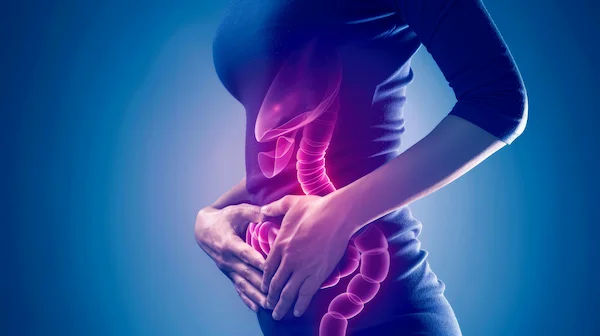
I've been having a lot of issues with my stomach being really bloated and hard, like it's filled with gas all the time. It's starting to feel like a rock, and it's making me really uncomfortable. Even when I eat normal foods, I end up with acidity. I talked to my general practitioner, and I've been taking Esoz D when the bloating and acidity hit, but I'm worried its not really solving the issue. Is there something else I can do to get this under control? Should I be looking at my diet or something else?

Answered by 1 Apollo Doctors

You may be experiencing symptoms of excessive gas and bloating, which can lead to acidity. In addition to taking esoz D, you can also try taking simethicone (Gas-X) to help relieve gas and bloating. For acidity, you can consider taking ranitidine (Zantac) to reduce stomach acid production. Make sure to follow the recommended dosage instructions for each medication.
Dr. Dhankecha Suggests...
Consult a Gastroenterology/gi Medicine Specialist
Answered 04/07/2025
0
0

More Gastroenterology/GI medicine Health Queries
View allI'm taking Metolar XR 25 and have been on it for about 10 or 11 years now. My blood pressure is staying pretty stable, but I've been dealing with some uncomfortable GI issues. I'm having lots of gas, stomach rumbling, loss of appetite, and a burning sensation in my stomach. Plus, constipation is a problem. Do you think it's time to switch medications?
no continue same medicatons..


Answered by 1 Apollo Doctors
I've been dealing with GERD and a hiatal hernia for 20 years and take daily meds should I consider surgery at this point? The constant meds are getting exhausting and I'm worried about long-term effects
Yes, after 20 years of daily medication for GERD and a hiatal hernia, it's reasonable to consider surgery, especially if you're concerned about long-term medication effects and experiencing persistent or bothersome symptoms. Surgery, such as fundoplication, can effectively address the underlying issues of GERD and hiatal hernia, potentially reducing or eliminating the need for daily medication
Answered by 1 Apollo Doctors
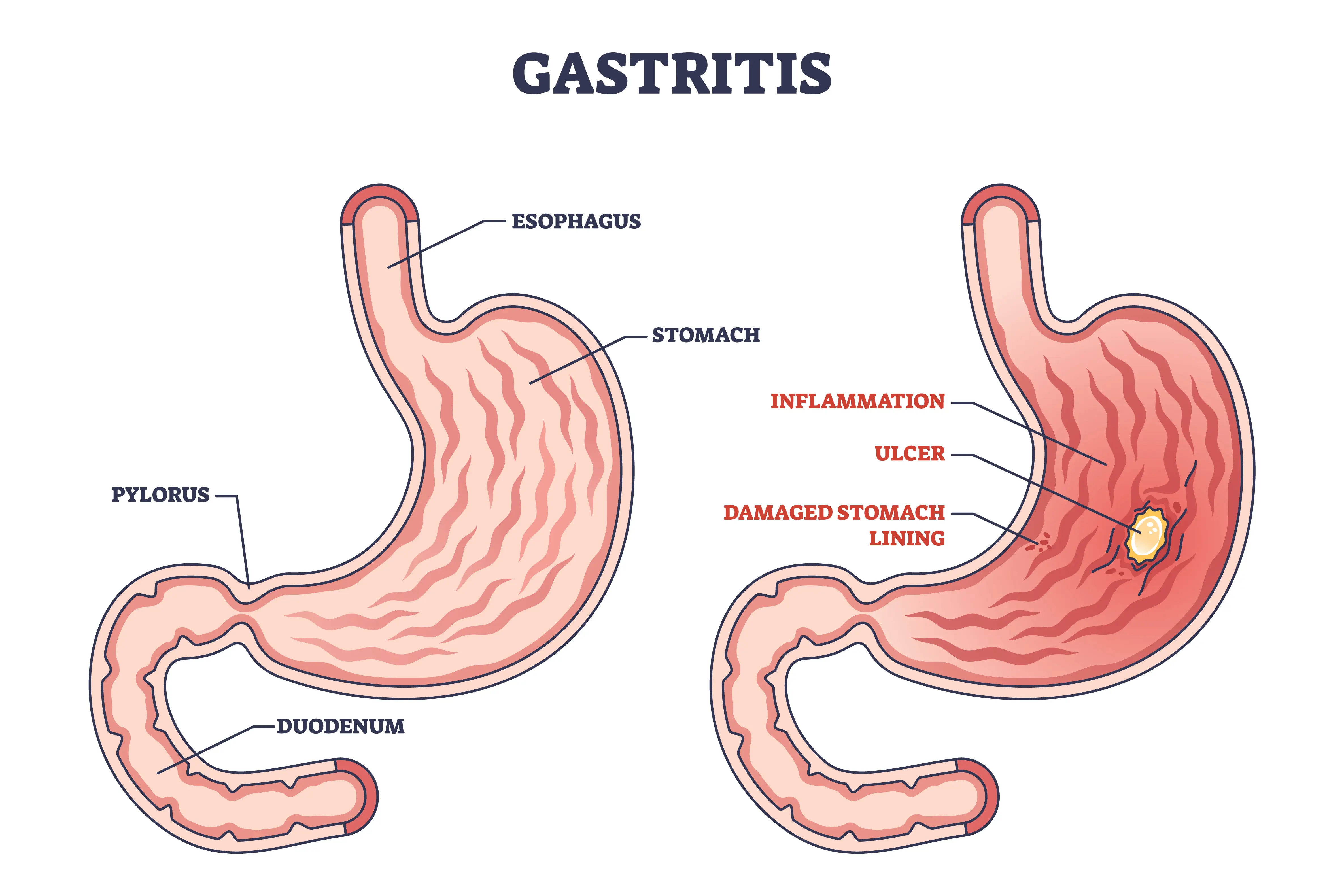
I've been dealing with Gastritis and Acidity for the last four weeks, and although I'm on medication and feeling somewhat better, I still get a gassy feeling after eating. I've got Gasex and Rabicer D at home do you think it's okay to take either of these for gas relief, or should I try something else?
If you're experiencing gas after eating while already taking medication for gastritis and acidity, you can consider taking Gasex or Rabicer D
Answered by 1 Apollo Doctors
Health Articles for you
View all

Disclaimer: Answers on Apollo 247 are not intended to replace your doctor advice. Always seek help of a professional doctor in case of an medical emergency or ailment.