


- Male
- 25 Years
- 22/01/2025
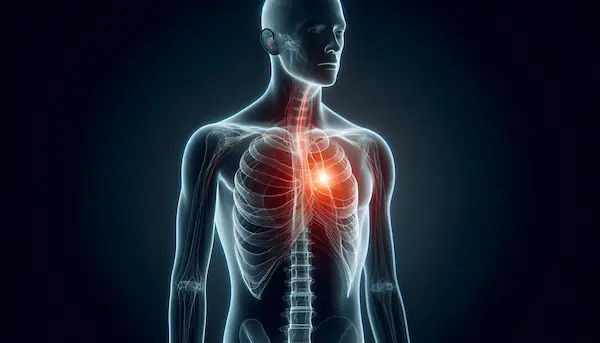
I've been having this sudden sharp chest pain that comes and goes in about 3 minutes. It gets worse when I breathe deeply or move around. Sometimes it just goes away on its own, but other times drinking water or taking Omeprazole 20mg seems to help. What could be causing this, and should I be worried?

Answered by 1 Apollo Doctors

Probable diagnosis is GERD .Patient is advised tab pan d,orally once daily for 14 days ,syrup sucralfate 10ml thrice daily for 14 days.Also avoid spicy and hot items is advised to the patient.
Dr. Anshul Suggests...
Consult a Cardiologist
Answered 04/07/2025
0
0

More Cardiology Health Queries
View allI'm a bit worried about my dad's recent test results. The doctor recommended a 2D echo and a treadmill test for him. The 2D echo came back normal, but the treadmill test showed a positive stress result. I've heard that only 4 out of 10 times, these TMT tests are accurate, which is kinda freaking me out. If one test is normal and the other one isn't, does that mean there's something to be concerned about? Could you shed some light on this?
If TMT is normal Better to under screening Angiogram,do not neglect,visit Cardiologist for the same


Answered by 1 Apollo Doctors
I've been dealing with this chest pain on the right side for a little over three weeks now, and after seeing two doctors, they mentioned it might just be muscular. They had me do an ECG, which showed Sinus Bradycardia, meaning a slow heart rate. I'm getting concernedis there a chance this could be something serious?
it's not a serious
Answered by 1 Apollo Doctors
I recently got my ECG done just as a routine check-up, and it came back with a note saying 'suspect anteroseptal myocardial infarction.' What exactly does this mean, and should I be worried about it?
suspect anteroseptal myocardial infarction on your ECG means there may be a heart attack in the front part of the heart. You may need to take medications like Aspirin 75mg once daily, Clopidogrel 75mg once daily, and Atorvastatin 40mg once daily to prevent further complications. It is important to follow up with a cardiologist for further evaluation and management."
Answered by 1 Apollo Doctors
Health Articles for you
View all



Disclaimer: Answers on Apollo 247 are not intended to replace your doctor advice. Always seek help of a professional doctor in case of an medical emergency or ailment.