- Male
- 26 Years
- 22/01/2025
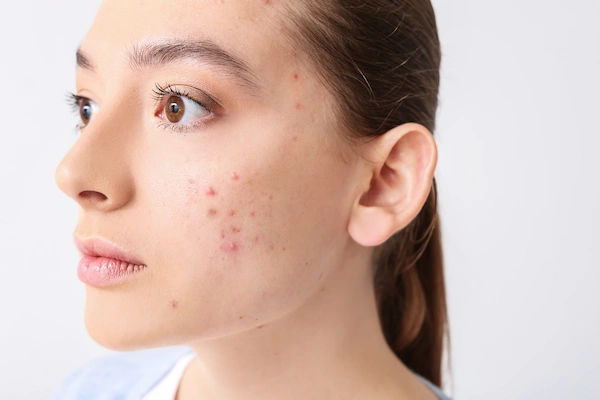
I've been noticing these small lumps on my cheekbone, right under my eye. They tend to swell up by themselves and then the swelling goes down after a few days, but then they come back after about a month. It's like a recurring cycle and I'm starting to get scars from them. Should I be worried about these lumps? What could be causing this?
More Dermatology Health Queries
View allI'm dealing with a lot of acne on my face, and they leave these dark spots that just won't go away. Right now, I'm using NO MARKS cream and also taking Evion 400 and roxy 150 tablets. I'm a bit worried, thoughis this okay for me to continue using, or could it be causing any harm?
Acne is a skin condition that occurs when your hair follicles become plugged with oil and dead skin cells. Acne usually appears on your face, neck, chest, back and shoulders. Effective treatments are available, but acne can be persistent. The pimples and bumps heal slowly, and when one begins to go away, others seem to crop up. Wash problem areas with a gentle cleanser. Twice a day, use your hands to wash your face with a mild soap and warm water. If you tend to develop acne around your hairline, shampoo your hair every day. Avoid certain products, such as facial scrubs, astringents and masks, because they tend to irritate skin, which can worsen acne. Excessive washing and scrubbing also can irritate skin. And be gentle while shaving affected skin. Avoid irritants. You may want to avoid oily or greasy cosmetics, sunscreens, hairstyling products or acne concealers. Use products labeled water-based or noncomedogenic, which means they are less likely to cause acne. Use an oil-free moisturizer with sunscreen. For some people, the sun worsens acne. And some acne medications make you more susceptible to the sun's rays. Check with your doctor to see if your medication is one of these. If it is, stay out of the sun as much as possible. Regularly use a nonoily (noncomedogenic) moisturizer that includes a sunscreen. Watch what touches your skin. Keep your hair clean and off your face. Also avoid resting your hands or objects, such as telephone receivers, on your face. Tight clothing or hats also can pose a problem, especially if you're sweating. Sweat and oils can contribute to acne. Don't pick or squeeze blemishes. Doing so can cause infection or scarring
Answered by 1 Apollo Doctors
I've been dealing with male pattern alopecia and recently saw a dermatologist. She recommended I use Qilib spray, Androanegen Tablet, 1 ml of Minoxidil 10 daily, and Finax 1 mg daily. I've read so much about Finax and its potential risks for men, and I'm quite concerned because I know Finasteride has been banned in several countries. Do you think I should see another doctor for a second opinion or stick with these meds? Also, I've been on high-quality lean whey protein for about 45 months since I work out regularly, but no steroids. Can you provide some detailed advice?
Finax, which contains Finasteride, is commonly used for male pattern alopecia but can have potential side effects. However, it is important to note that the decision to continue or discontinue a medication should be made in consultation with your healthcare provider. In the case of male pattern alopecia, the medications suggested by your dermatologist are commonly used to help with hair loss. Qilib spray, Androanagen Tablet, Minoxidil 10%, and Finax 1 mg are all aimed at addressing this issue. If you have reservations about Finax, you can discuss alternative treatment options with your dermatologist. They may be able to suggest other medications or therapies that could be effective for you.
Answered by 1 Apollo Doctors
I'm dealing with these skin allergies that look a lot like mosquito bites all over my body. My blood test showed I have a high IgE count of 2000, and even though I've been on medication for over three months, the allergies keep coming back as soon as I stop the treatment. It feels like it's getting worse every day. Is there anything I can do for a more permanent solution?
High IgE count (>2000) indicates an overactive immune response, leading to increased histamine release and allergic reactions. Current Treatment Limitations Medications like antihistamines, corticosteroids, and immunosuppressants can provide temporary relief but may not address the underlying issue. Recurring symptoms after stopping medication suggest that the treatment is only managing the symptoms, not the root cause. Permanent Solution: A Multi-Faceted Approach 1. Immunotherapy Allergy shots or sublingual immunotherapy can help desensitize your immune system to specific allergens, reducing IgE levels and symptoms. 2. Dietary Changes Avoid common allergenic foods like dairy, gluten, soy, and nuts for 2-3 weeks to see if symptoms improve. Incorporate anti-inflammatory foods rich in omega-3 fatty acids, antioxidants, and fiber.
Answered by 1 Apollo Doctors
Disclaimer: Answers on Apollo 247 are not intended to replace your doctor advice. Always seek help of a professional doctor in case of an medical emergency or ailment.