

- male
- 25 Years
- 20/02/2025
I've been struggling with some hair issues after a bad case of chicken pox back in 2016. About five months post-recovery, my hairline started receding, and my hair seemed to get thinner. By the next year, the temple area receded by an inch and my hair lost strength. I started taking dietary supplements six months ago as per my doctor's advice, and I'm noticing a slight improvement in thickness, but my temple hairline hasn't shown any progress. Can you shed some light on whether my temple hair will eventually grow back, and how long it might take for my hair follicles to recover after chicken pox?
Answered by 1 Apollo Doctors
Hair fall can be due to various reasons.Hormonal,genetics ,stress,scalp conditions etc.if your hair fall is excessive consult a dermatologist or a trichologist to get more tailored treatments for your needs.
Dr. Ibrahim Suggests...
Consult a Dermatologist
Answered 25/07/2025
0
0
More Dermatology Health Queries
View allI'm curious about the cost of getting a Q-switch laser treatment for naturally dark lips due to genetics. Also, how long do the effects typically last after the procedure?
Depending on the extent of treatment required, it costs between 7k - 15k INR. The number of sessions required varies from patient to patient. The effects generally last a few years, but maintenance sessions may be required to sustain the results.
Answered by 1 Apollo Doctors
I've been experiencing this sharp pain right at the tip of my penis for about three days now, and it's really concerning me. Does this sound like something serious, or could it be something that will go away on its own? I'm a bit worried and would love some advice on what might be causing this pain.
-It sounds like you may have a localized issue, possibly an irritation or infection. I'd recommend seeing a doctor for a proper exam to rule out any serious conditions and to get appropriate treatment. In the meantime, avoid any harsh soaps or irritants.
Answered by 1 Apollo Doctors
I've been dealing with this issue where the skin on my lower lip tends to harden and then get really dry. I always end up peeling it off, but then the whole cycle just starts over again. It's pretty frustrating. What could be causing this, and how can I stop it from happening?
That could be due to Dehydration or lack of moist or vitamin deficiency,stay hydrated and consume balanced diet, that would solve your problem,you also use lip balm for additional care
Answered by 1 Apollo Doctors
Health Articles for you
View all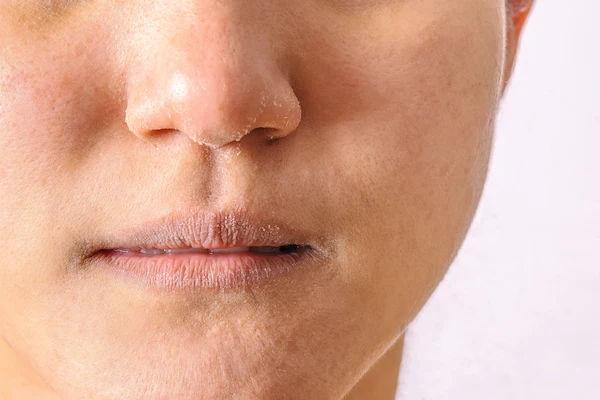

Disclaimer: Answers on Apollo 247 are not intended to replace your doctor advice. Always seek help of a professional doctor in case of an medical emergency or ailment.