


- Male
- 40 Years
- 29/01/2025
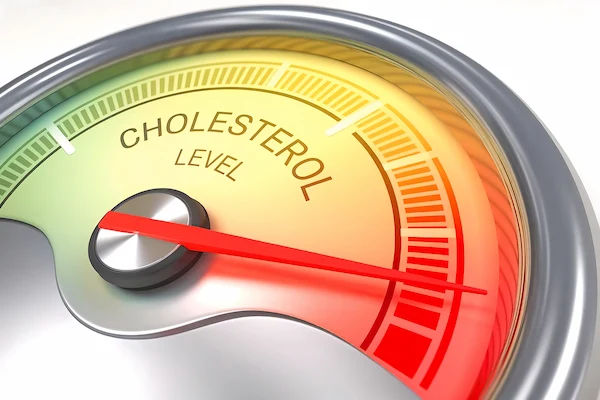
I've got a cholesterol overall level of 360, and I'm pretty worried about it. Can you help me figure out some ways to bring it down? I'm really looking to make some changes.

Answered by 1 Apollo Doctors

I recommend making lifestyle changes such as following a healthy diet low in saturated fats and cholesterol, exercising regularly, and maintaining a healthy weight. Additionally, you can consider taking a statin medication like Atorvastatin 40mg once daily to help lower your cholesterol levels. Remember to consult with your doctor before starting any new medication."
Dr. Anshul Suggests...
Consult a Cardiologist
Answered 04/07/2025
0
0

More Cardiology Health Queries
View allWhy does my heart start racing for about an hour after I have lunch or eat a heavy meal? I've been on Concor 1.25 mg for two weeks now. My echocardiogram, ECG, Holter monitor, and cholesterol, including LDL levels, all came back okay. I've been diagnosed with panic disorder, but I'm worried if there's a connection here. Any insights?
It sounds like you may be experiencing episodes of tachycardia after meals. Since your heart tests and cholesterol levels are normal, and you have been diagnosed with panic disorder, the fast heart rate may be related to anxiety or panic attacks. In addition to Concor (Bisoprolol) 1.25mg, you can try taking a medication called Propranolol 10mg as needed to help with the rapid heart rate. Propranolol is a beta-blocker that can help control the physical symptoms of anxiety, including tachycardia. It is important to discuss this with your doctor to see if it is suitable for you and to determine the appropriate dosage for your specific situation.


Answered by 1 Apollo Doctors
I'm experiencing this weird chest and left arm discomfort whenever I hear music with strong vibrations. It's been happening a lot lately, and I'm also feeling short of breath with some chest pain. I've had tests on my heart and lungs, and everything came back normal. What could be causing this?
It sounds like you may be experiencing symptoms of angina, which is chest pain or discomfort caused by reduced blood flow to your heart muscle. Since your heart and lung tests are normal, it's important to manage your symptoms. I recommend taking a low dose of aspirin (75-100mg) daily to help prevent blood clots and improve blood flow. Additionally, you can try using nitroglycerin sublingual tablets as needed for chest pain relief. Make sure to follow up with your doctor for further evaluation and management.
Answered by 1 Apollo Doctors
I've been having some issues with fast pulse and feeling short of breath. It's weird because I don't really feel any heart pain, but I do start sweating. It seems like drinking water helps a bit, but whenever I'm fasting, these symptoms seem to get worse. I'm a bit worried and trying to figure out what could be going on. Any advice?
Seroflo rotahaler sos for breathing difficulty is advised to the patient.
Answered by 1 Apollo Doctors
Health Articles for you
View all

Disclaimer: Answers on Apollo 247 are not intended to replace your doctor advice. Always seek help of a professional doctor in case of an medical emergency or ailment.