


- Male
- 25 Years
- 29/01/2025
I've had a bit of a scare recently while doing the dishes. I accidentally cut my finger on a piece of glass. Initially, it seemed alright after rinsing it with water, but then things got weird. I started feeling short of breath, my head went all dizzy, and just as I grabbed a napkin for the wound, my vision went dark like I couldn't see anything. I almost collapsed but managed to lie down on my bed, and then it all just went away. Does this sound like a serious issue to you?

Answered by 1 Apollo Doctors

You may have experienced a vasovagal response, which can sometimes occur in response to pain or stress. However, given the symptoms you described, such as difficulty breathing, dizziness, and vision changes, it is important to seek medical attention to rule out any serious underlying issues. In the meantime, you can clean the wound with antiseptic solution and apply an antibiotic ointment like Neosporin to prevent infection. Keep the wound covered with a sterile bandage and monitor for any signs of infection such as increased redness, swelling, or discharge.
Dr. Dhankecha Suggests...
Consult a Cardiologist
Answered 04/07/2025
0
0

More Cardiology Health Queries
View allI've been having this chest pain that comes and goes for the past few days. It's mostly on the left side, near the center of my chest, and sometimes my breast hurts too, but they look normal. I also had this back pain between my spine and shoulder blade on the left side, but that went away, and the chest pain came back. It feels worse when I get up, like when you have an injury and start moving after resting. Any idea what could be causing this?
Possible Diagnosis* 1. *Costochondritis*: Inflammation of the cartilage connecting ribs to the breastbone, causing left-sided chest pain. 2. *Musculoskeletal strain*: Strained muscles in the chest or back, leading to pain and discomfort. 3. *Gastroesophageal reflux disease (GERD)*: Stomach acid flowing back up into the esophagus, causing chest pain and discomfort. *Treatment Options* 1. *Pain management*: Over-the-counter pain relievers like acetaminophen or ibuprofen to alleviate pain and discomfort. 2. *Heat or cold therapy*: Applying heat or cold packs to the affected area to reduce pain and inflammation. 3. *Muscle relaxants*: Medications like cyclobenzaprine to relax muscles and reduce pain. 4. *Antacids or acid reducers*: Medications like ranitidine or omeprazole to alleviate GERD symptoms. *Advice* 1. *Rest and relaxation*: Avoid heavy lifting, bending, or strenuous activities that may exacerbate the pain. 2. *Maintain good posture*: Avoid slouching or bending, which can put strain on your muscles and exacerbate the pain. 3. *Avoid triggers*: Identify and avoid triggers that may worsen GERD symptoms, such as citrus fruits, tomatoes, or spicy foods. 4. *Monitor your symptoms*: Keep track of your symptoms, including when they occur, how long they last, and any factors that trigger or relieve them.


Answered by 1 Apollo Doctors
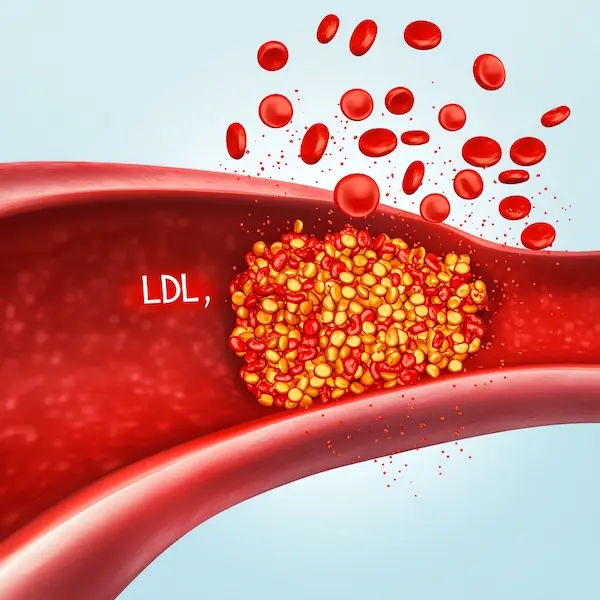
I've been experiencing some strong side effects like muscle pain, dizziness, and shaky hands and legs from taking Rozavel and Pivasta. Are there any realistic alternatives or supplements in the Indian market that could lower my LDL by around 15-20% without serious side effects? I've heard about things like Coeveleselam, but I'd love to know more.
U can try exercise and diet control with low dose artorvastatin
Answered by 1 Apollo Doctors
I've been experiencing this uncomfortable pressure in my chest for the past few months, and it's really starting to get to me. It feels like there's this tightness that just won't go away. Should I be worried about this, and what steps can I take to figure out what's going on?
Visit General physician for evaluation and appropriate management
Answered by 1 Apollo Doctors
Health Articles for you
View all

.webp)
Disclaimer: Answers on Apollo 247 are not intended to replace your doctor advice. Always seek help of a professional doctor in case of an medical emergency or ailment.