


- Male
- 30 Years
- 29/01/2025
I've had a CT angiogram done two years ago, and it came out normal. But now I've been told I need to repeat the test because my lipid profile is high. I attached my reports from two years ago, and they were the same back then. I'm feeling really worried about this. What do you think is going on?

Answered by 1 Apollo Doctors

if your CT angiogram from 2 years ago was normal and your lipid profile is high now, it may be necessary to repeat the CT angiogram to assess for any changes in your cardiovascular health. In the meantime, you can start taking Atorvastatin 20mg once daily to help lower your cholesterol levels and reduce the risk of cardiovascular events.
Dr. Ibrahim Suggests...
Consult a Cardiologist
Answered 04/07/2025
0
0

More Cardiology Health Queries
View allI'm really worried about my mom. Her blood pressure reading is 150 over 82. Is this something we should be concerned about? Does it mean she has high BP? I'm wondering if we should consult a doctor and consider medication. What would you advise?
blood pressure reading of 15082 is considered elevated, with the systolic pressure (150) being in the stage 1 hypertension range. It is important to monitor her blood pressure regularly to see if it stays consistently high. In case of persistent high blood pressure, medication may be required. I recommend consulting a doctor for further evaluation and to discuss potential treatment options. In terms of medication, the doctor may prescribe antihypertensive drugs such as Losartan 50mg or Amlodipine 5mg to help lower her blood pressure.


Answered by 1 Apollo Doctors
I'm a bit confused about the difference between Prolomet XL 50mg and Prolomet XL R 50mg5mg. I don't have high blood pressure, so which one should I be considering, if at all?
IF THE PATIENT IS NOT HAVING HYPERTENSION NO NEED TO TAKE MEDICATION .And prolomet xl R is the combination medication with both medicines,, where as prolomet xl is the single medicine..
Answered by 1 Apollo Doctors
I'm 21, and lately, I've been having these sudden spells of moderate pain on the left side of my chest that only last a few seconds before going away. Its got me a bit worried. Could this be something serious, or is it nothing to be too concerned about?
That could be muscle catch or pleuritis.no need to worry you can ignore it,in such episodes do breathing excercise for a better result
Answered by 1 Apollo Doctors
Health Articles for you
View all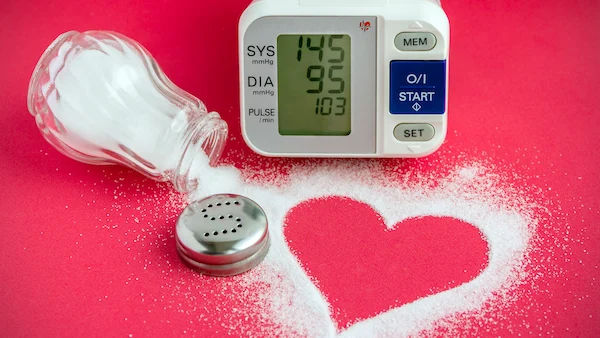


Disclaimer: Answers on Apollo 247 are not intended to replace your doctor advice. Always seek help of a professional doctor in case of an medical emergency or ailment.